Plant Characteristics
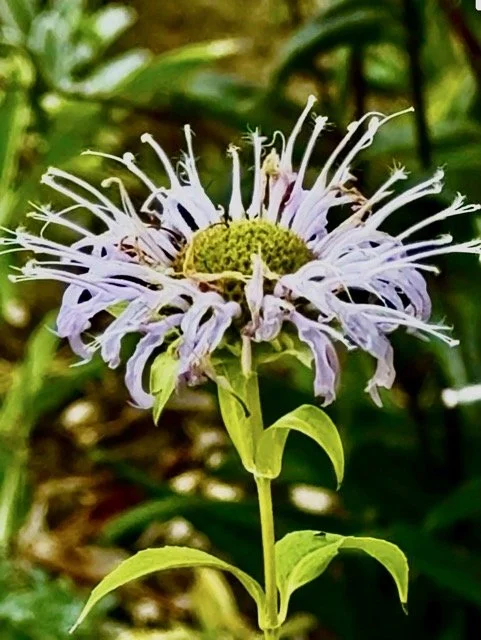
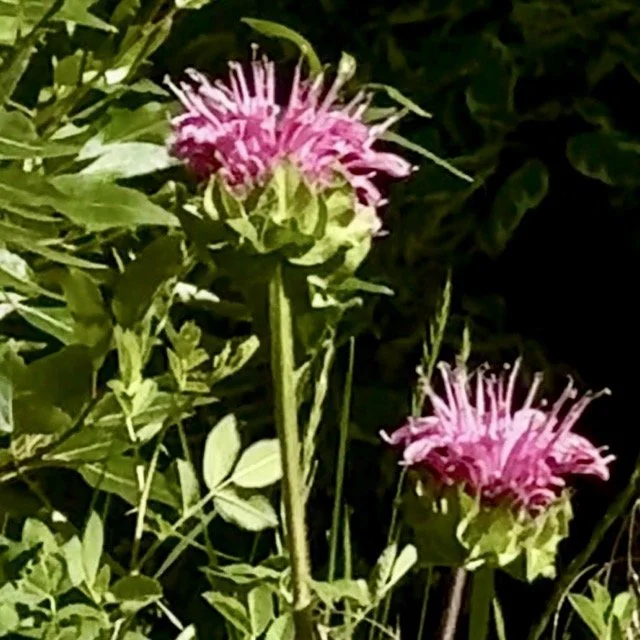
Botanical Name: Monarda fistulosa
Common Name: Wild Bergamot (pink)
Native: Native
Sun: Full Sun
Water: Moderate
Bloom Time: Summer
Bloom Color: Lavender-pink
Pollinators: Bees; Butterflies; Hummingbirds; Moths
Deer Resistant: Yes
Mature Size: W 2'-3' x H 2'-4'
Soil: Well-drained; tolerates lean soil
Plant Type: Herbaceous perennial
USDA Zones: 3 to 9
Spread Habit: Spreads by rhizome
Available As: Live plant
Native Region: Eastern & Central N.A.; Western Great Plains (western edge)
Host Plant (Elsewhere in North America): Pyrausta generosa, Pyrausta signatalis, Sphinx eremitus
Growing Notes
Full sun in well-drained ground; it tolerates lean soil and considerably more drought than the red bee balms, which makes it the better choice for an unirrigated Reno garden. Space about 2 feet apart for air circulation, which limits powdery mildew. Water moderately in the first season.
• Water: Moderate
• Sun: Full Sun
• Soil: Well-drained; tolerates lean soil, more drought tolerant than red bee balms
• Mature size: W 2'-3' x H 2'-4'
Maintenance
Thin a third of the stems in spring for air movement. Leave the stems standing over winter and cut back in late spring, keeping about a third for overwintering insects. It spreads by rhizome; divide every three or four years, keeping the outer growth and discarding the woody center. Mildew on the lower leaves late in the season is cosmetic and not worth treating.