
Plant Characteristics
Botanical Name: Rosa woodsii
Common Name: Western Wood's Rose
Native: Native
Sun: Full Sun to Part Sun
Water: Low
Bloom Time: Late spring to summer
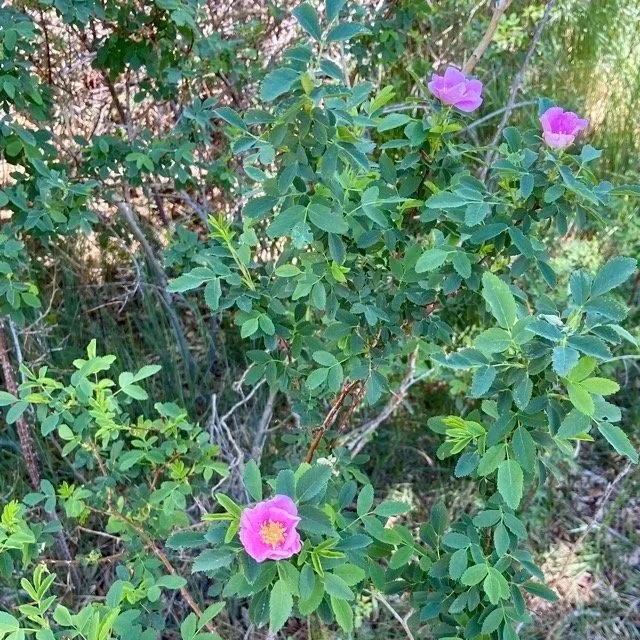
Bloom Color: Single pink with gold stamens
Pollinators: Bees
Mature Size: W 3'-6' (thicket-forming) x H 3'-6'
Soil: Adaptable; tolerates lean and seasonally moist soil
Plant Type: Deciduous shrub
USDA Zones: 3 to 8
Spread Habit: Suckers; thicket-forming
Available As: Live plant
Native Region: Great Basin; Southern Rocky Mountains; Middle/Central Rockies; Northwestern Great Plains (widespread western)
Host Plant (Elsewhere in North America): white-lined sphinx
Growing Notes
Western Wood’s Rose likes full sun to part sun in adaptable ground; it tolerates lean soil and seasonally moist spots. Give it room and plant it where a thicket is welcome, such as a hedgerow, a property edge, or a wild corner, rather than trying to keep it in a tidy border. Water through the first two summers.
Water: Low
Sun: Full Sun to Part Sun
Soil: Adaptable; tolerates lean and seasonally moist soil
Mature size: W 3'-6' (thicket-forming) x H 3'-6'
Maintenance
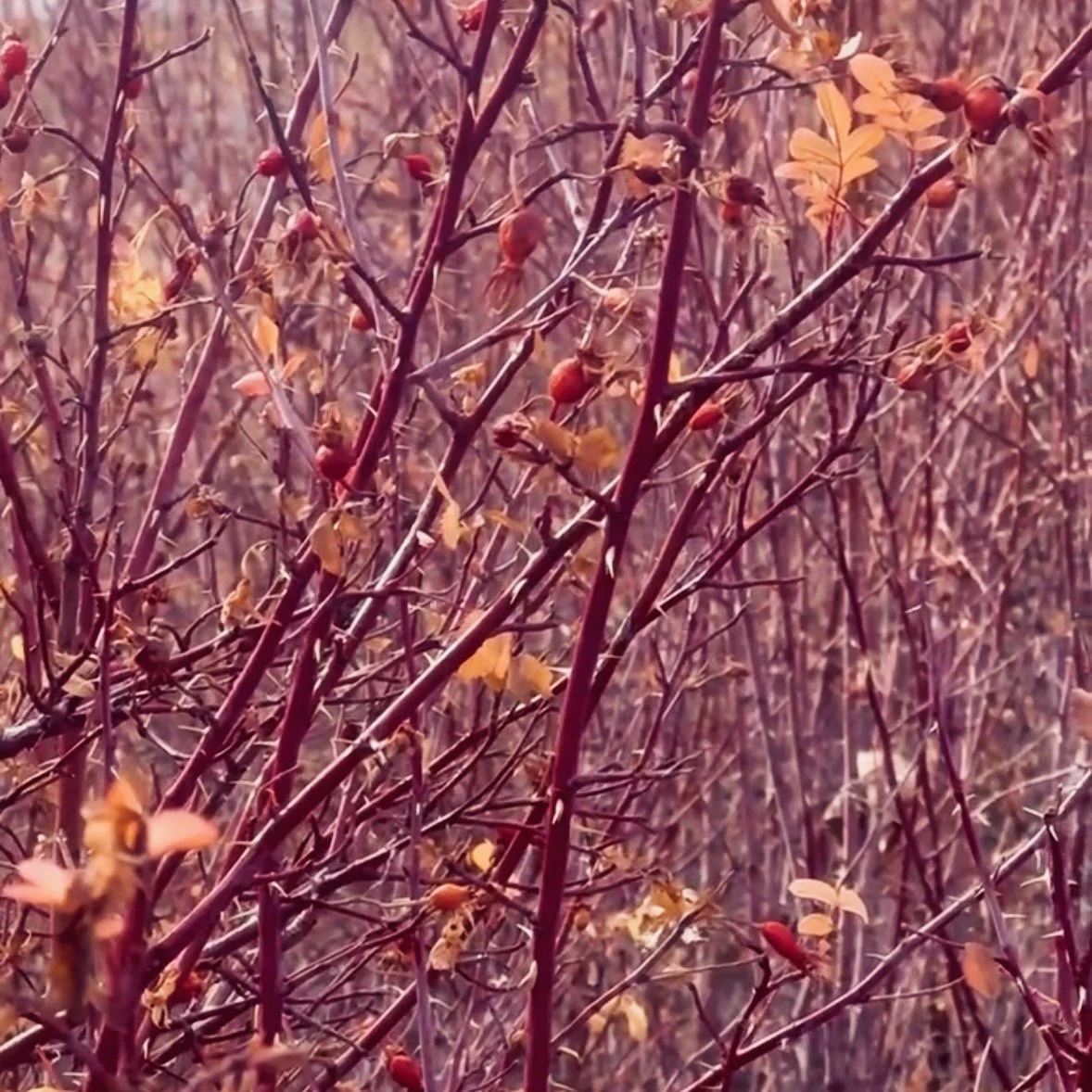
Prune in late winter, removing the oldest canes at the base to keep it vigorous rather than shearing it. Leave the hips on through winter for the birds. It suckers and spreads, which suits a hedgerow but becomes a problem in a border, so cut a hard edge annually if you need to contain it. It needs no spraying; a native rose in the right site does not get the trouble a hybrid tea rose does.