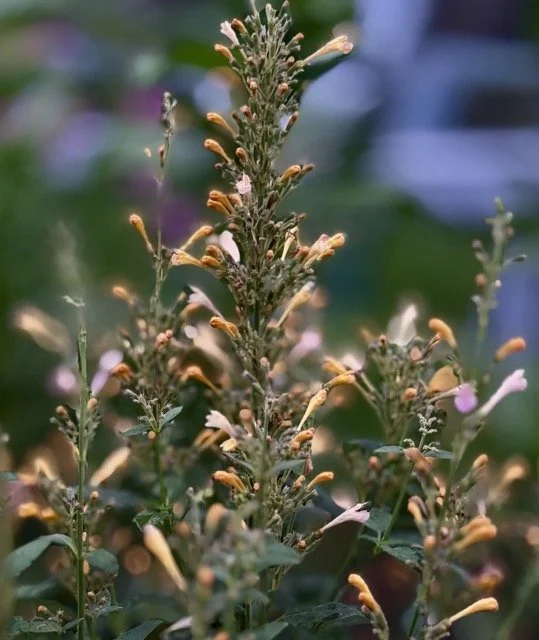
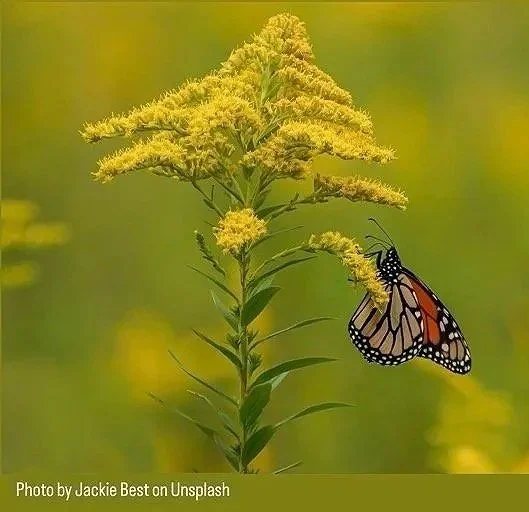
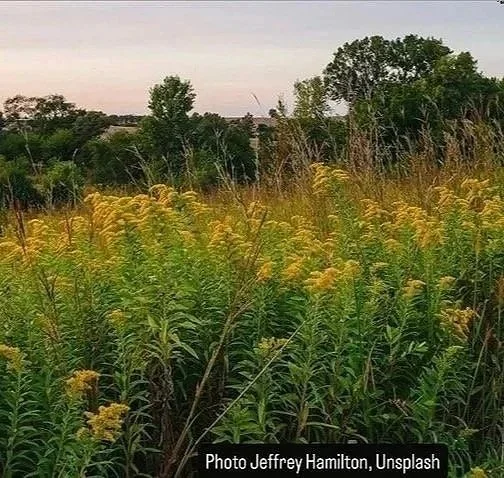
Western Goldenrod (Euthamia occidentalis)

from $13.99

Botanical name: Solidago canadensis‍ • Bloom season: Late summer to fall • Bloom color: Golden • Host plant (elsewhere in North America): brown-hooded owlet, Schinia nundina, Synchlora aerata

Arching plumes of tiny golden flowers on tall stems in late summer and fall. Goldenrod supports one of the widest ranges of native bees and moths of any North American genus, which makes it one of the highest-value plants in this catalog. Fifty-nine species of those bees are specialists that can raise their young exclusively on goldenrod pollen.

Goldenrod is insect-pollinated, with heavy, sticky pollen, and it does not cause hay fever.

Size:

Plant Characteristics

Botanical Name: Solidago canadensis

Common Name: Canada Goldenrod

Native: Native

Sun: Full Sun

Water: Low

Bloom Time: Late summer to fall

Bloom Color: Golden plumes

Pollinators: Bees; Butterflies; Moths

Deer Resistant: Yes

Mature Size: W Spreading x H 3'-5'

Soil: Adaptable; tolerates lean soil

Plant Type: Herbaceous perennial

USDA Zones: 3 to 9

Spread Habit: Spreads aggressively by rhizome

Available As: Live plant

Native Region: Widespread across western regions & eastern N.A.

Host Plant (Elsewhere in North America): brown-hooded owlet, Schinia nundina, Synchlora aerata

Growing Notes

Full sun and average, well-drained garden soil with moderate water. Space about 2 feet apart. It is far better-mannered than the rest of the species and needs no containment strategy, which is why you should choose it. It holds itself upright without staking.

  • Water: Moderate

  • Sun: Full Sun

  • Soil: Well-drained; average garden soil

  • Mature size: 3 to 4 ft by 2 to 3 ft

Maintenance

Leave the stems standing through winter for the seed heads and the insects, and cut back in late spring, keeping about a third. Divide every four years or so if the clump gets crowded. It does not run, so there is no annual edging job. No fertilizer needed.