Catmint 'Walker's Low' (Nepeta x faassenii)

from $8.99

Botanical name: Nepeta x faassenii Bloom season: Late spring to summer • Bloom color: Lavender-blue • Pollinator value: One of the longest-blooming bee plants available

One of the longest, earliest spring bloomers that supports many pollinators: butterflies, honeybees, and native bees. Especially beneficial when planted near or under fruit trees to help set fruit. Grows up to 12” x 12”. This dwarf catmint has a billowing mound of lavender-blue that holds from late spring into fall with shearing. It is a sterile hybrid, which means two practical things: it puts its energy into flowering rather than seed, and it will never sow itself around. Among the longest-blooming bee plants available anywhere.

Botanical name: Nepeta x faassenii Bloom season: Late spring to summer • Bloom color: Lavender-blue • Pollinator value: One of the longest-blooming bee plants available

One of the longest, earliest spring bloomers that supports many pollinators: butterflies, honeybees, and native bees. Especially beneficial when planted near or under fruit trees to help set fruit. Grows up to 12” x 12”. This dwarf catmint has a billowing mound of lavender-blue that holds from late spring into fall with shearing. It is a sterile hybrid, which means two practical things: it puts its energy into flowering rather than seed, and it will never sow itself around. Among the longest-blooming bee plants available anywhere.

Size:

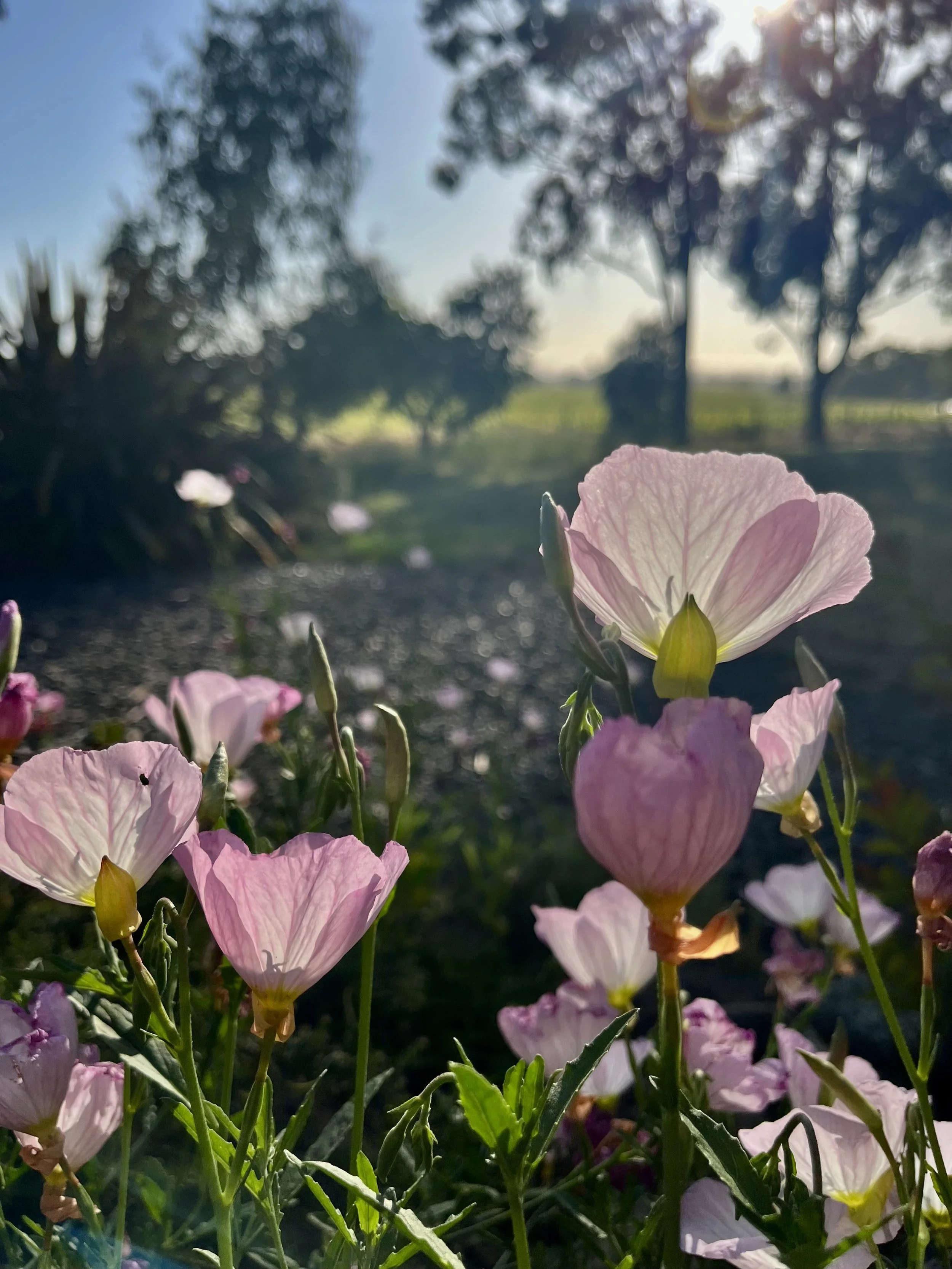
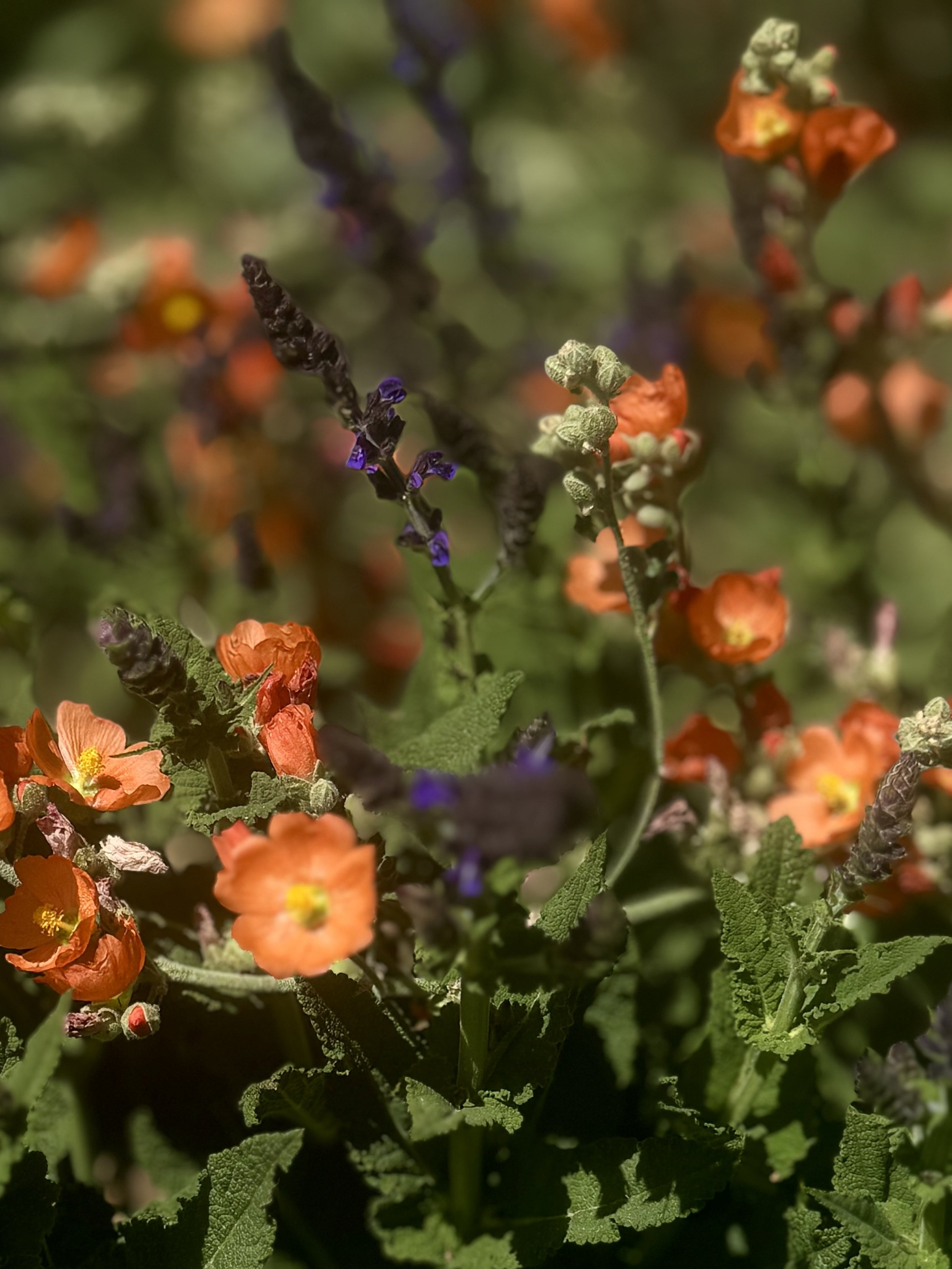
Photo credit: Ashley @Sage.and.Summit

Plant Characteristics

Botanical Name: Nepeta x faassenii

Cultivar: 'Walker's Low'

Common Name: Catmint s Low'

Native: Cultivar

Native Region: Not native to North America; origin Garden hybrid; parents from southwest Asia

Sun: Full Sun

Water: Low

Bloom Time: Late spring to summer

Bloom Color: Lavender-blue

Pollinators: Bees; Butterflies; Hummingbirds

Deer Resistant: Yes

Mature Size: W 30"-36" x H 24"-30"

Soil: Well-drained; lean soil, tolerates heat and reflected light

Pollinator Value: One of the longest-blooming bee plants available

Plant Type: Herbaceous perennial

USDA Zones: 3 to 8

Spread Habit: Clumping; sterile

Available As: Live plant

Growing Notes

Full sun and lean, well-drained soil. It takes heat and reflected light off pavement without flinching, which makes it one of the most useful plants here for a hot frontage. Give it real room, close to 3 feet, since it gets wide. Do not amend the soil or it will flop.

  • Water: Low

  • Sun: Full Sun

  • Soil: Well-drained; lean soil, tolerates heat and reflected light

  • Mature size: W 30"-36" x H 24"-30"

Maintenance

Shear the whole plant back by about a third when the first flush fades, which produces a full second bloom, and repeat in midsummer if it sprawls. Cut back hard to a few inches in early spring. It is long-lived and rarely needs division. No fertilizer, low water once established.