
Plant Characteristics
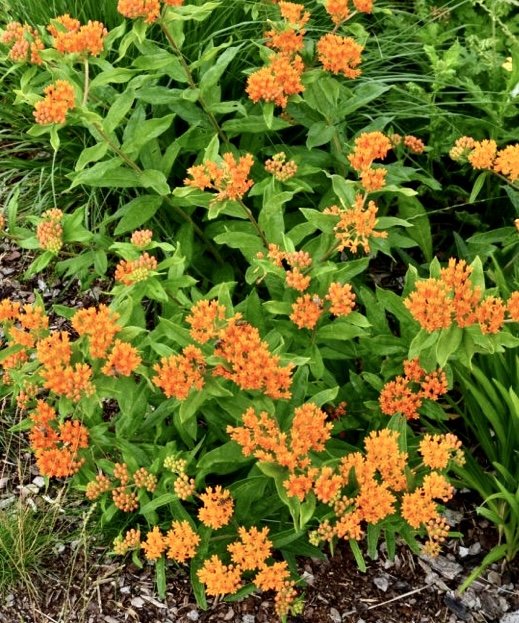
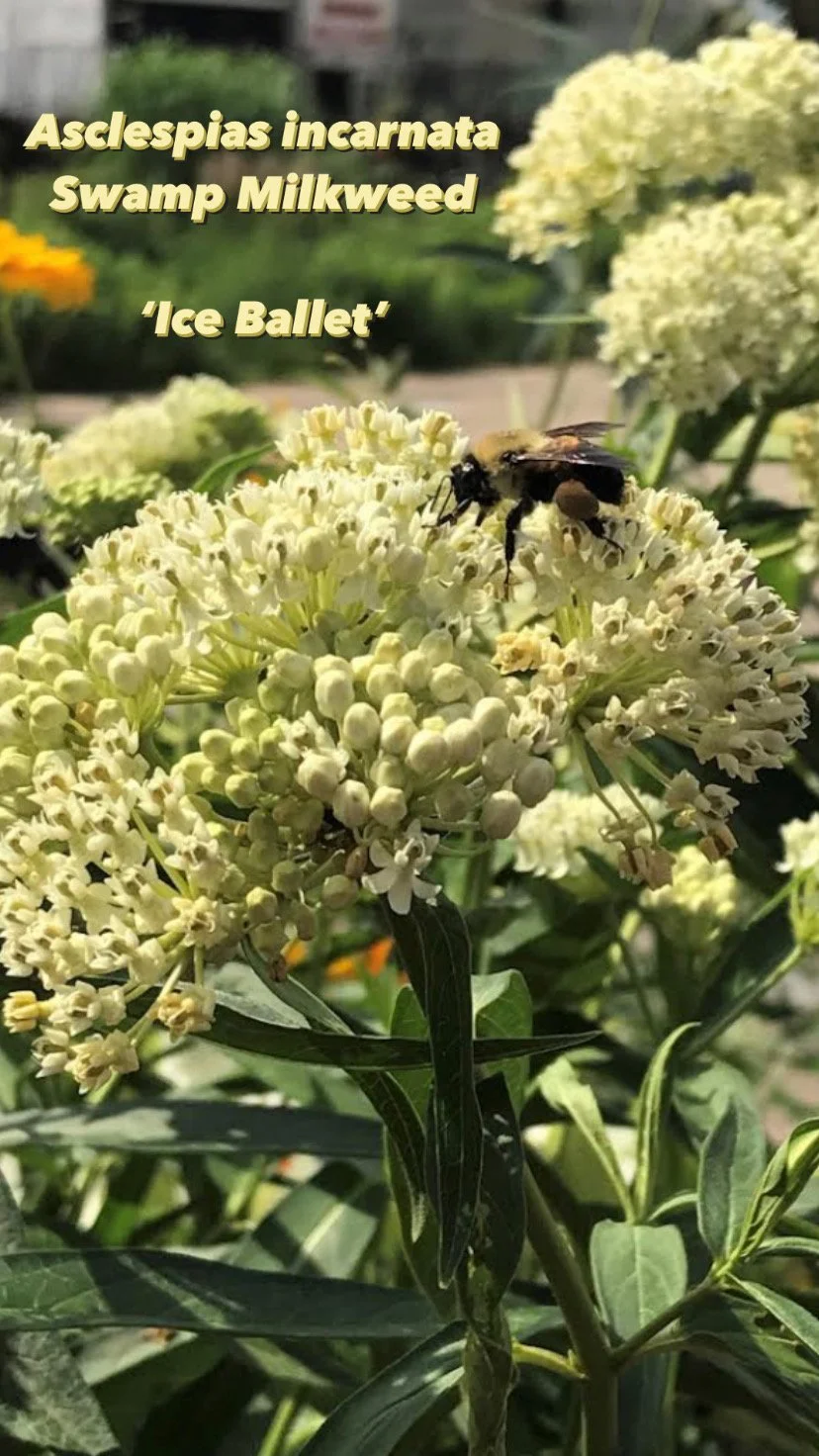
Botanical Name: Asclepias incarnata
Common Name: Swamp Milkweed
Native: Native
Native Region: Eastern & Central N.A. (outside western regions)
Sun: Full Sun
Water: Moderate
Bloom Time: Summer
Bloom Color: Mauve-pink
Pollinators: Bees; Butterflies; Moths
Host Plant: Monarch, Milkweed tussock moth
Deer Resistant: Yes
Mature Size: W 2'-3' x H 3'-4'
Soil: Moist to average; the one milkweed here that wants regular water
Pollinator Value: Strong nectar plant for bees, monarchs, and swallowtails
Plant Type: Herbaceous perennial
USDA Zones: 3 to 9
Spread Habit: Clumping
Available As: Live plant
Growing Notes
Full sun and consistent moisture. This is the exception to the low-water rule that governs most of the shop, so put it where a downspout drains, at a pond edge, or in an irrigated bed. Space about 2 feet apart. Unlike showy milkweed it clumps rather than runs, so it behaves in a border.
Water: Moderate
Sun: Full Sun
Soil: Moist to average; the one milkweed here that wants regular water
Mature size: W 2'-3' x H 3'-4'
Maintenance
Leave stems standing through winter and cut back in late spring, keeping about a third for overwintering insects. Do not spray aphids; systemic insecticides move through the plant and kill monarch larvae. It emerges slowly in spring, often not showing until well into May, so mark its position to avoid digging into the crown. Divide only if you must, since the roots resent disturbance.