Plant Characteristics
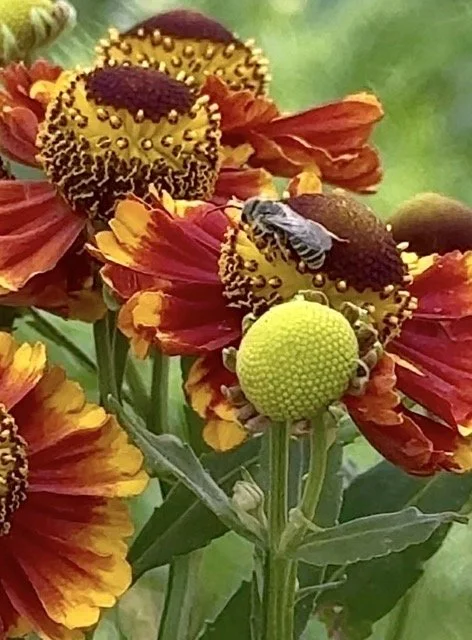
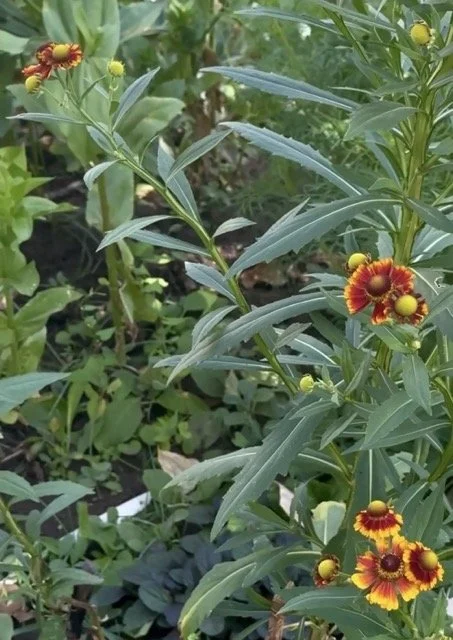
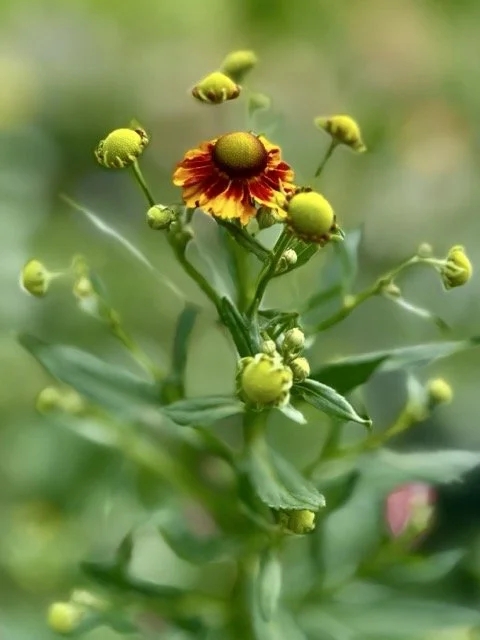
Botanical Name: Helenium autumnale
Cultivar: 'Helena Red Shades'
Common Name: Sneezeweed
Native: Cultivar
Sun: Full Sun
Water: Moderate
Bloom Time: Late summer to fall
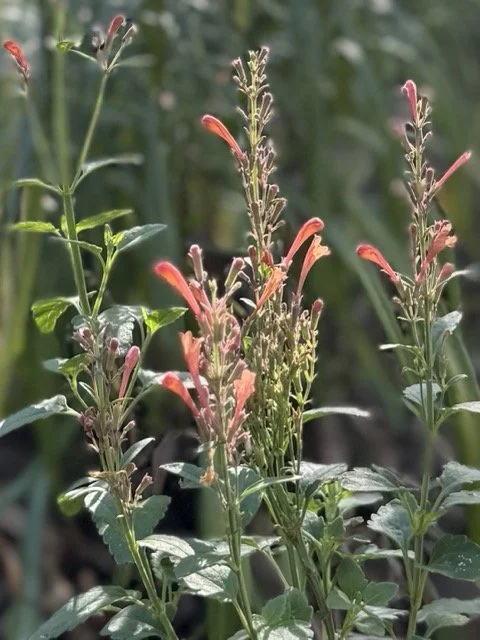
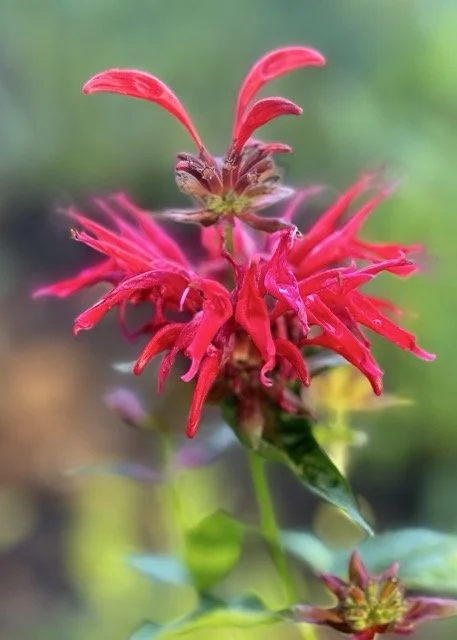
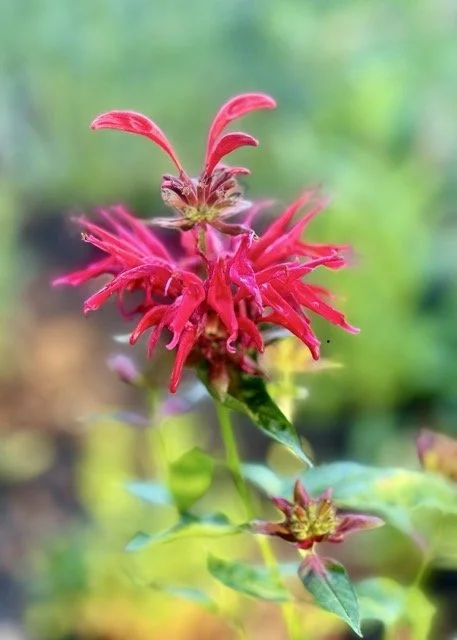
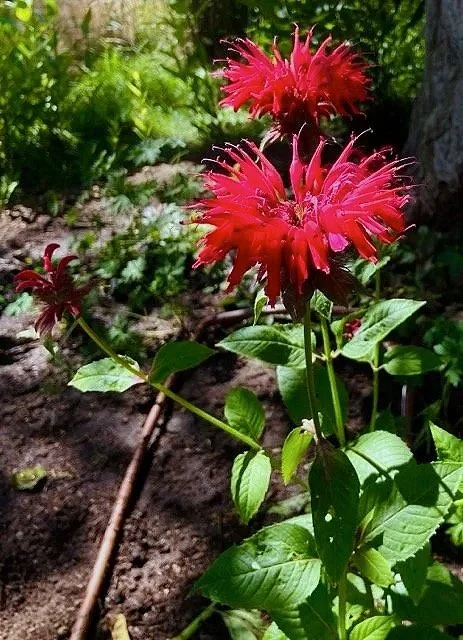
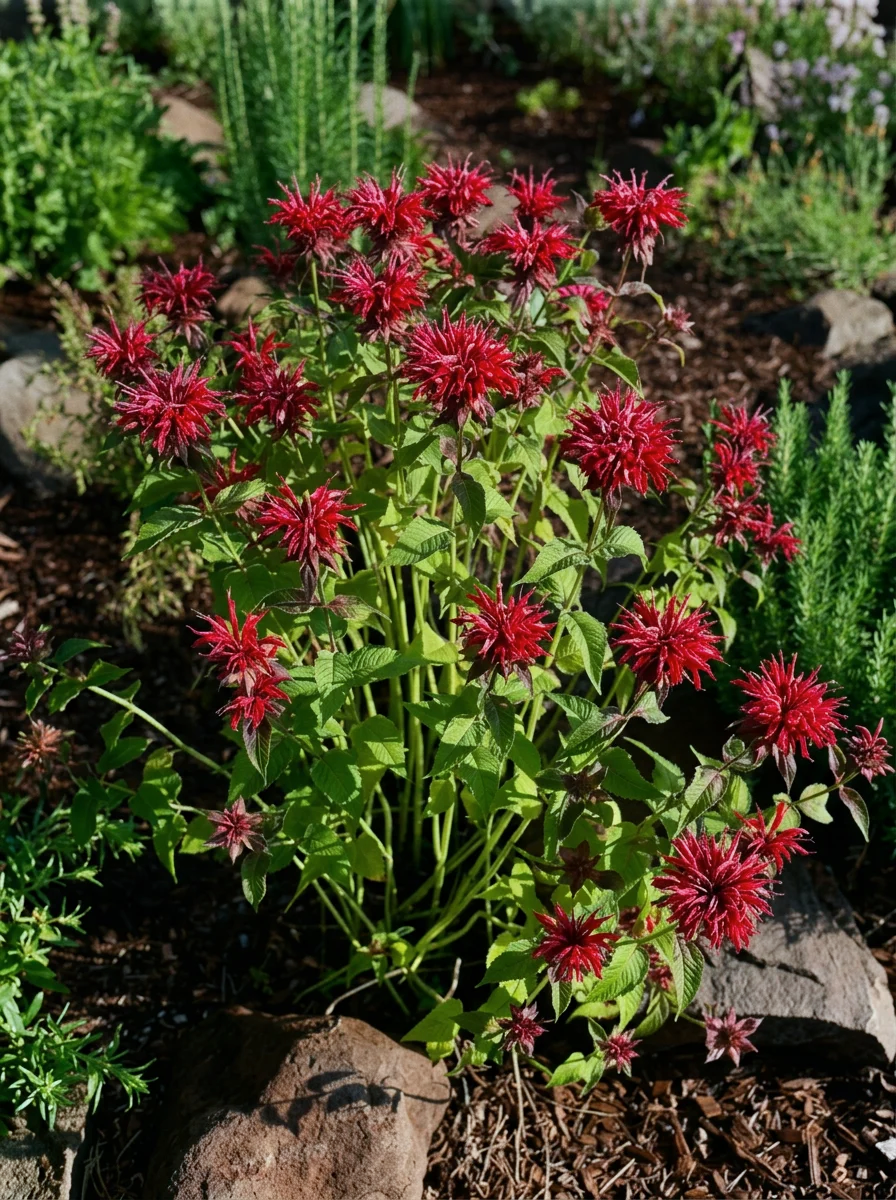
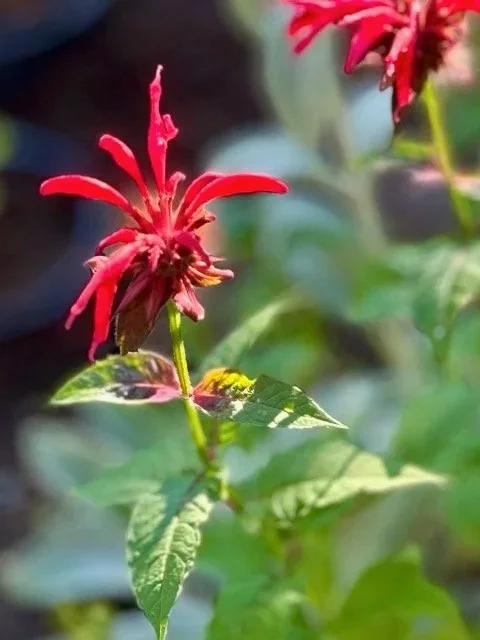
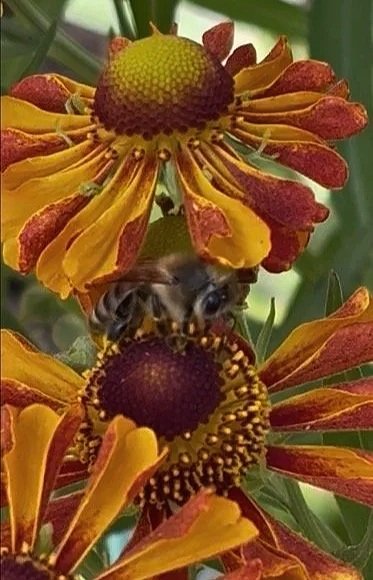
Bloom Color: Red and copper shades
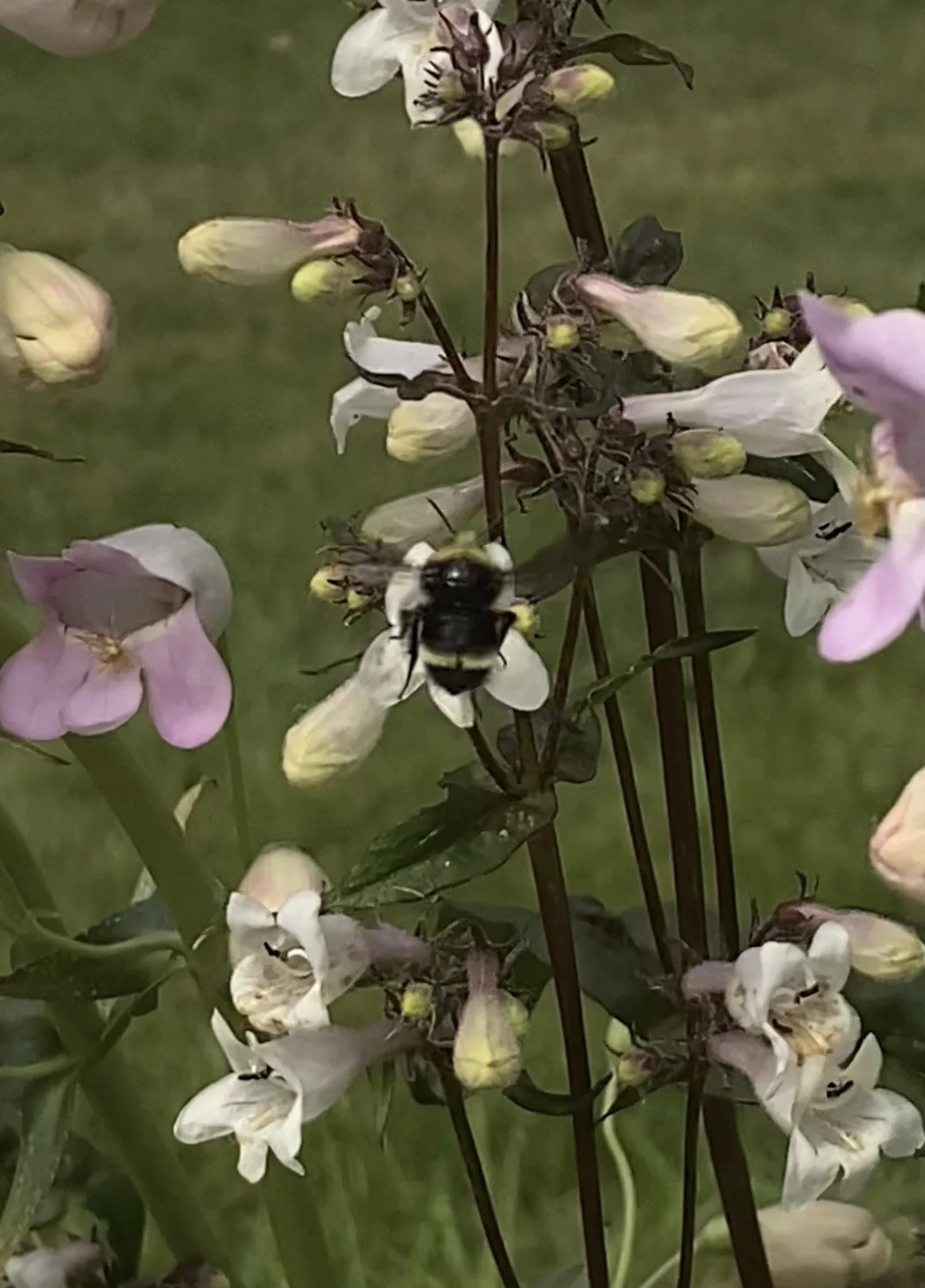
Pollinators: Bees; Butterflies
Deer Resistant: Yes
Mature Size: W 18" x H 18"-24"
Soil: Moist, well-drained
Plant Type: Herbaceous perennial
USDA Zones: 3 to 9
Spread Habit: Clumping
Available As: Live plant
Native Region: Pacific Northwest; California Floristic Province (also widespread eastern/central N.A.)
Growing Notes
Full sun and moist, well-drained ground. This is one of the thirstiest plants in the catalog, and it will not be happy on a dry, unwatered slope, so put it in an irrigated bed or a low spot that holds moisture. Space about 18 inches apart. It is naturally tall, and this compact selection stays upright without staking.
Water: Moderate
Sun: Full Sun
Soil: Moist, well-drained; wants more water than most of this catalog
Mature size: 24 to 48 in by 18 in
Maintenance
Pinch the growing tips once in early summer for a bushier plant and more flowers, if you want them. Leave the stems standing through winter and cut back in late spring, keeping about a third for insects. Divide every three years, since the clump declines in the middle if left alone too long. Do not let it dry out completely in summer.