Showy Milkweed Seeds (Asclepias speciosa)

from $4.00

Botanical name: Asclepias speciosa‍ ‍• Bloom season: Summer‍ ‍• Bloom color: Dusty pink‍ ‍• Host plant (Great Basin): queen, monarch

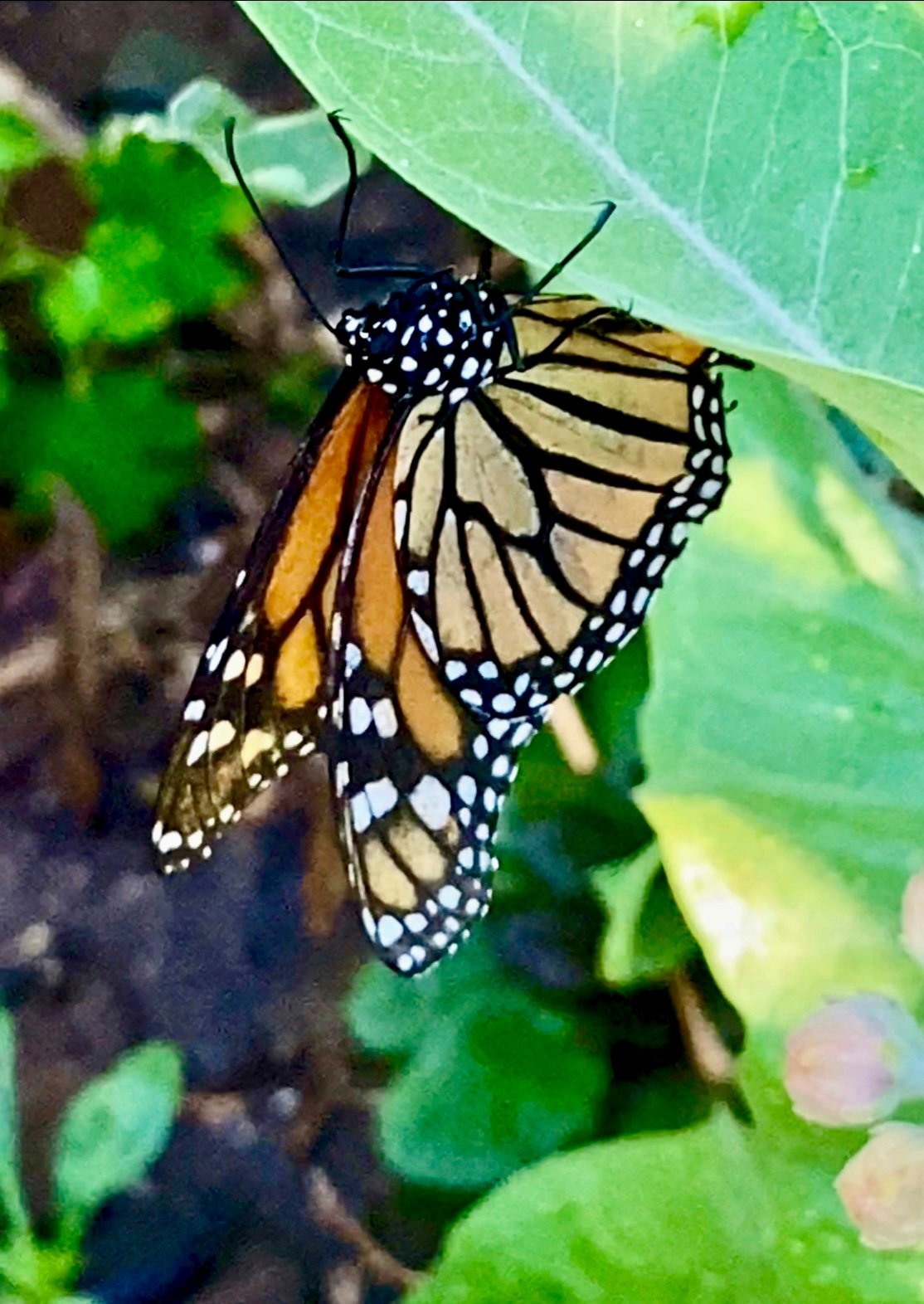
The SOLE FOOD for Monarch baby larvae! An amazing native pollinator attractor and striking addition to the landscape. You can easily manage its spread by removing seedpods before they open. Seed of the Great Basin's own monarch milkweed, and the most economical way to establish the large patch that actually supports a breeding population. A handful of plants feeds a few caterpillars; a stand feeds a generation. Growing from seed also gives you the full genetic range of the wild population rather than a single clone.

Size:

Sowing and Growing Notes

The seed needs about 30 days of cold, moist stratification before it will germinate, so the simplest route in Northern Nevada is to sow outdoors in late fall and let winter handle it. If you sow in spring, mix the seed with damp sand in a bag and refrigerate for a month first. Sow into a firm, weed-free surface in full sun, cover lightly, and keep damp until seedlings appear.

  • Water: Low

  • Sun: Full Sun

  • Soil: Well-drained; tolerates lean soil

  • Mature size: W 1'-2' x H 2'-4'

Maintenance

Expect almost nothing above ground in year one; the plant is building a root system and a taproot that will outlive you. Don't fertilize, don't overwater, and don’t give up on it. It comes on in year two and forms a real stand by year three, spreading by rhizome from there.