
Plant Characteristics
Botanical Name: Salvia rosmarinus
Cultivar: 'Arp'
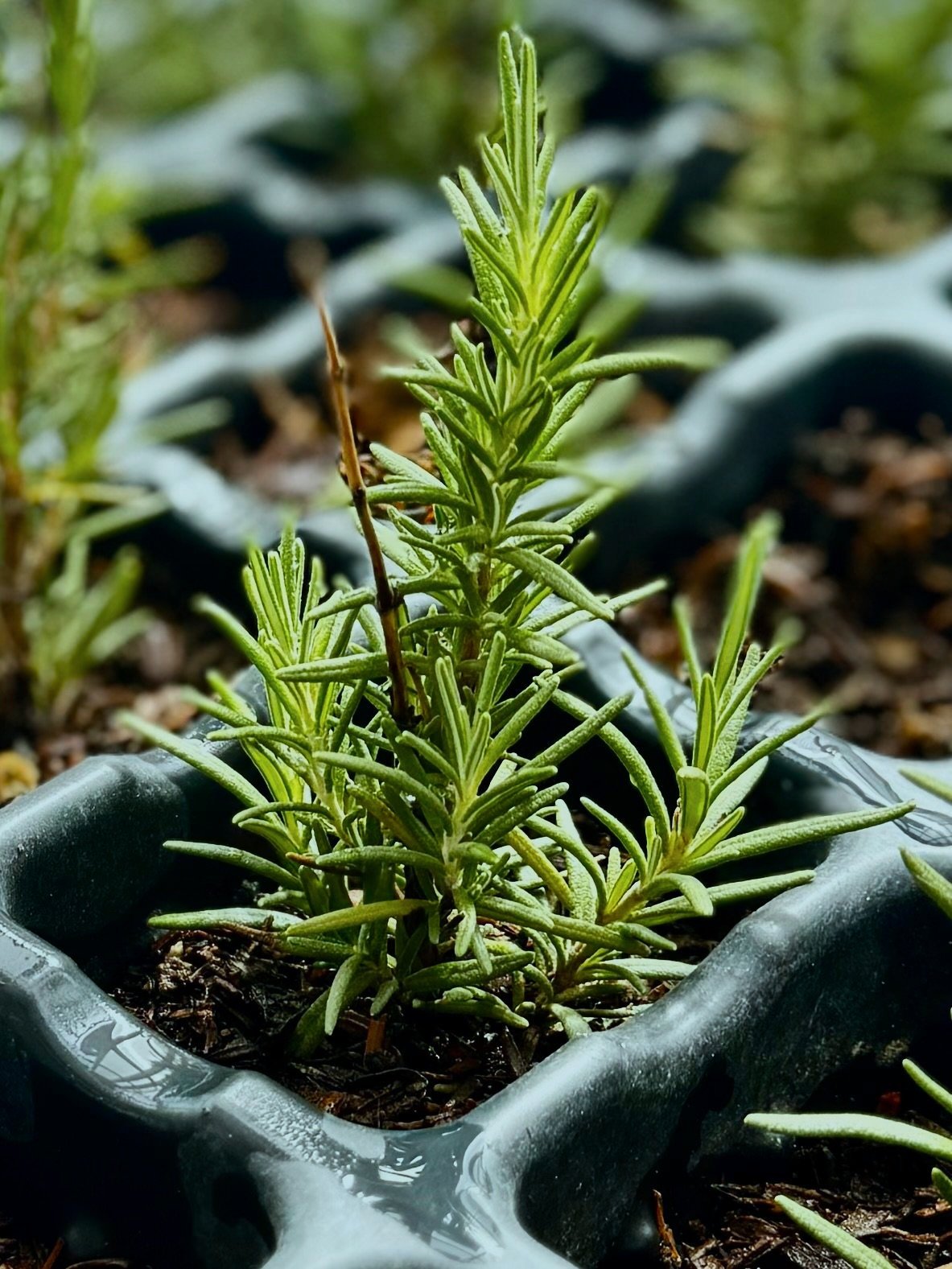
Common Name: Rosemary
Sun: Full Sun
Water: Low
Bloom Time: Spring
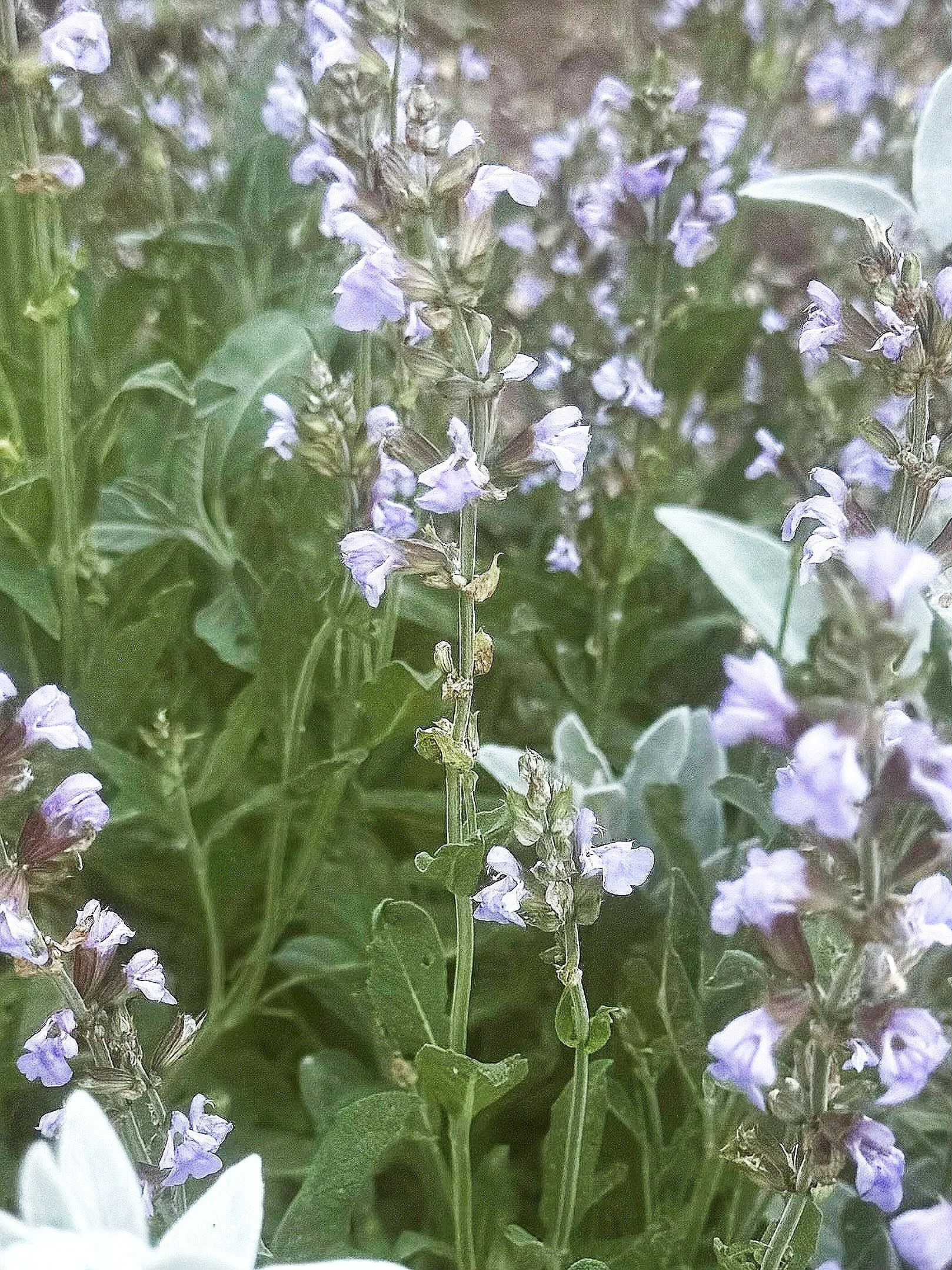
Bloom Color: Pale blue
Pollinators: Bees
Deer Resistant: Yes
Mature Size: W 3'-4' x H 3'-4'
Soil: Sharply drained; lean, gritty soil
Pollinator Value: Very early nectar for honey bees
Plant Type: Evergreen shrub
USDA Zones: 6 to 10
Spread Habit: Clumping
Available As: Live plant
Growing Notes
Full sun and sharply drained, lean, gritty ground, in the warmest and most sheltered spot available: against a south-facing wall, out of the wind, with gravel rather than bark at the base. 'Arp' is marginal in Reno winters, so growing it in a large pot you can move to shelter is the reliable approach.
Water: Low
Sun: Full Sun
Soil: Sharply drained; lean, gritty soil
Mature size: W 3'-4' x H 3'-4'
Maintenance
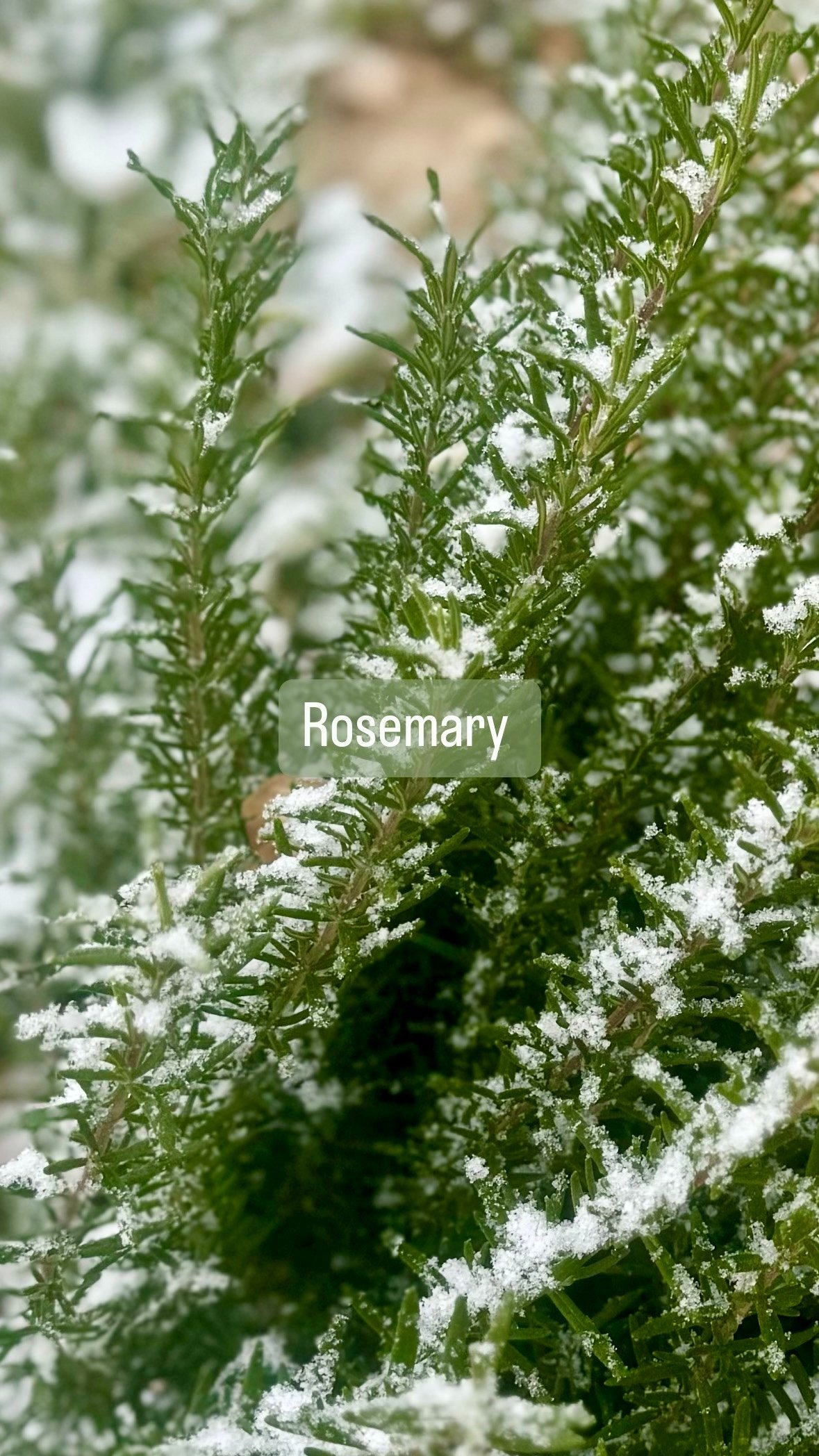
Prune lightly after flowering to shape, never into bare old wood. Do not fertilize or overwater, especially in winter, when wet cold kills far more rosemary than dry cold. In a container, water sparingly through winter and keep it in a bright, cool, protected spot rather than a warm indoor room. Brush off the snow as you would with succulents. It also helps to give them rock mulch and plant them next to reflective stone or rocks.