Plant Characteristics
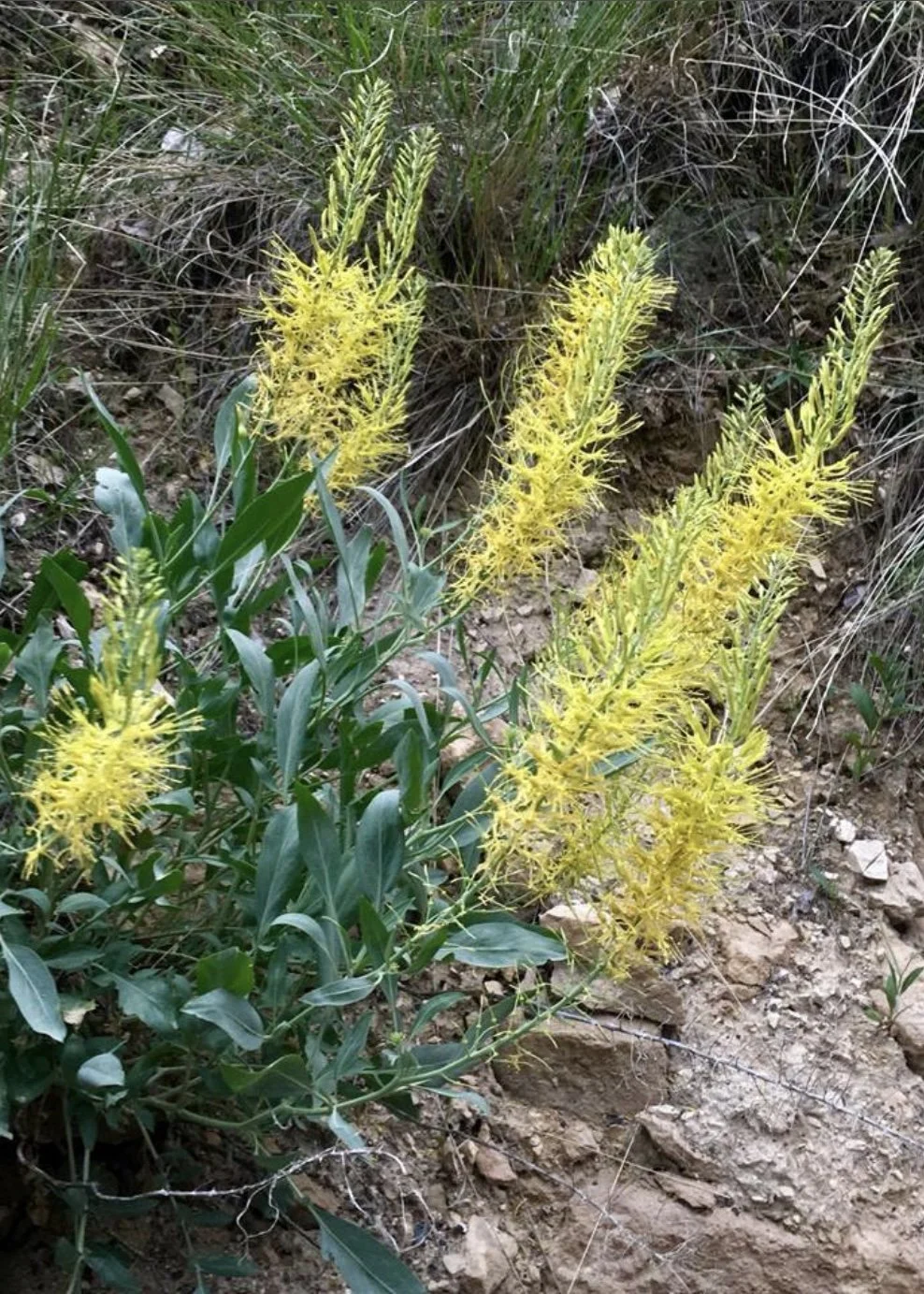
Botanical Name: Stanleya pinnata
Common Name: Prince's Plume
Native: Native
Native Region: Great Basin; Colorado Plateau; Mojave Desert; Wyoming Basin; Western Great Plains
Sun: Full Sun
Water: Low
Bloom Time: Late spring through summer
Bloom Color: Lemon-yellow
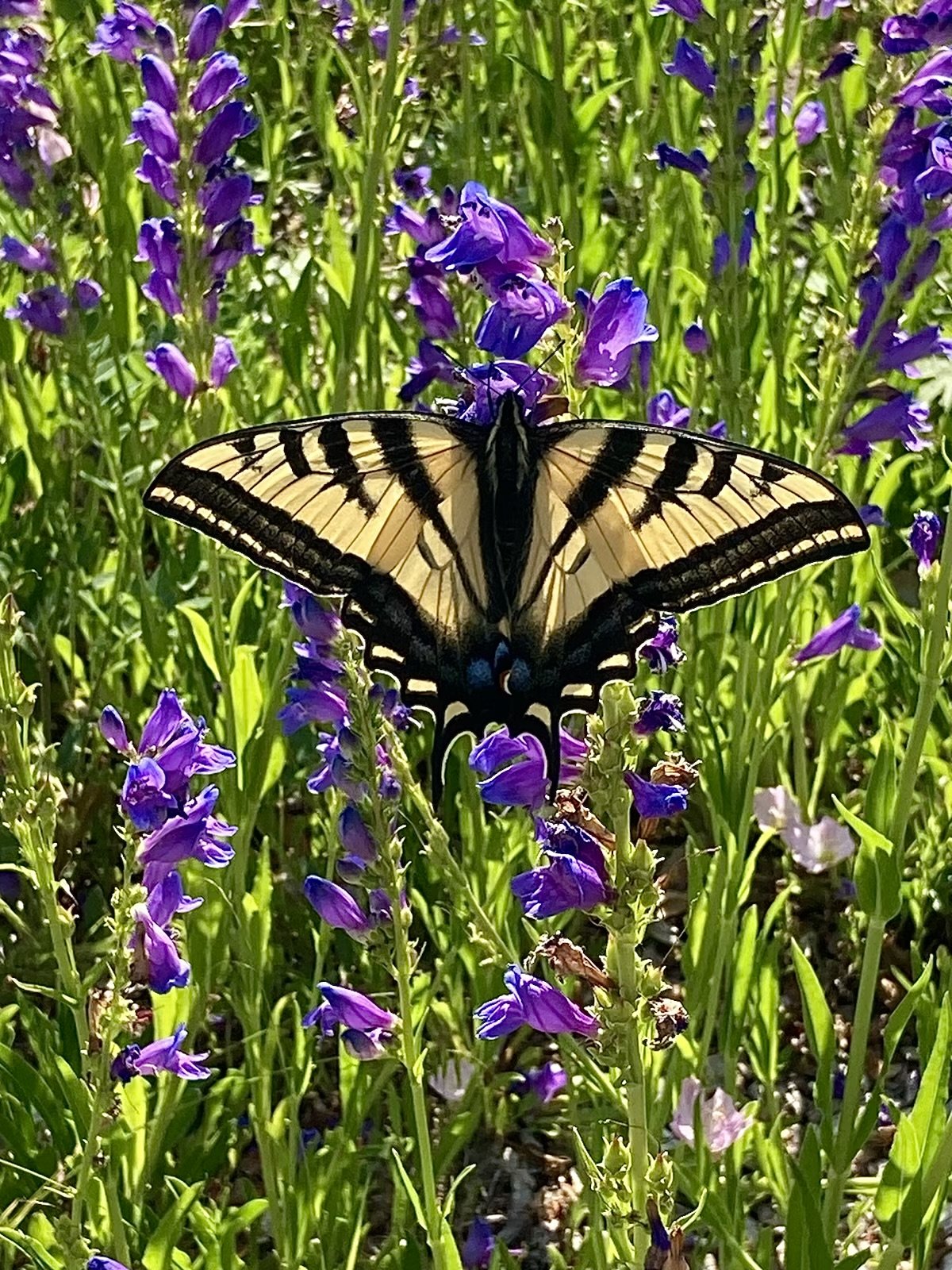
Pollinators: Bees; Butterflies; Hummingbirds; Moths
Host Plant: Becker's white, Checkered white
Deer Resistant: Yes
Mature Size: W 1'-2' x H 3'-5'
Soil: Sharply drained; poor, sandy or rocky soil
Pollinator Value: Long nectar window for bees and moths
Plant Type: Herbaceous perennial
USDA Zones: 4 to 9
Spread Habit: Clumping; self-sows
Available As: Live plant
Growing Notes
Full sun and sharply drained, poor, sandy or rocky ground. It grows naturally on selenium-rich desert soils and it genuinely wants poverty: fertilizer and irrigation both damage it. Space about 2 feet apart. Do not amend the planting hole and keep it out of watered beds.
Water: Low
Sun: Full Sun
Soil: Sharply drained; poor, sandy or rocky soil
Mature size: 3 to 5 ft by 1 to 2 ft
Maintenance
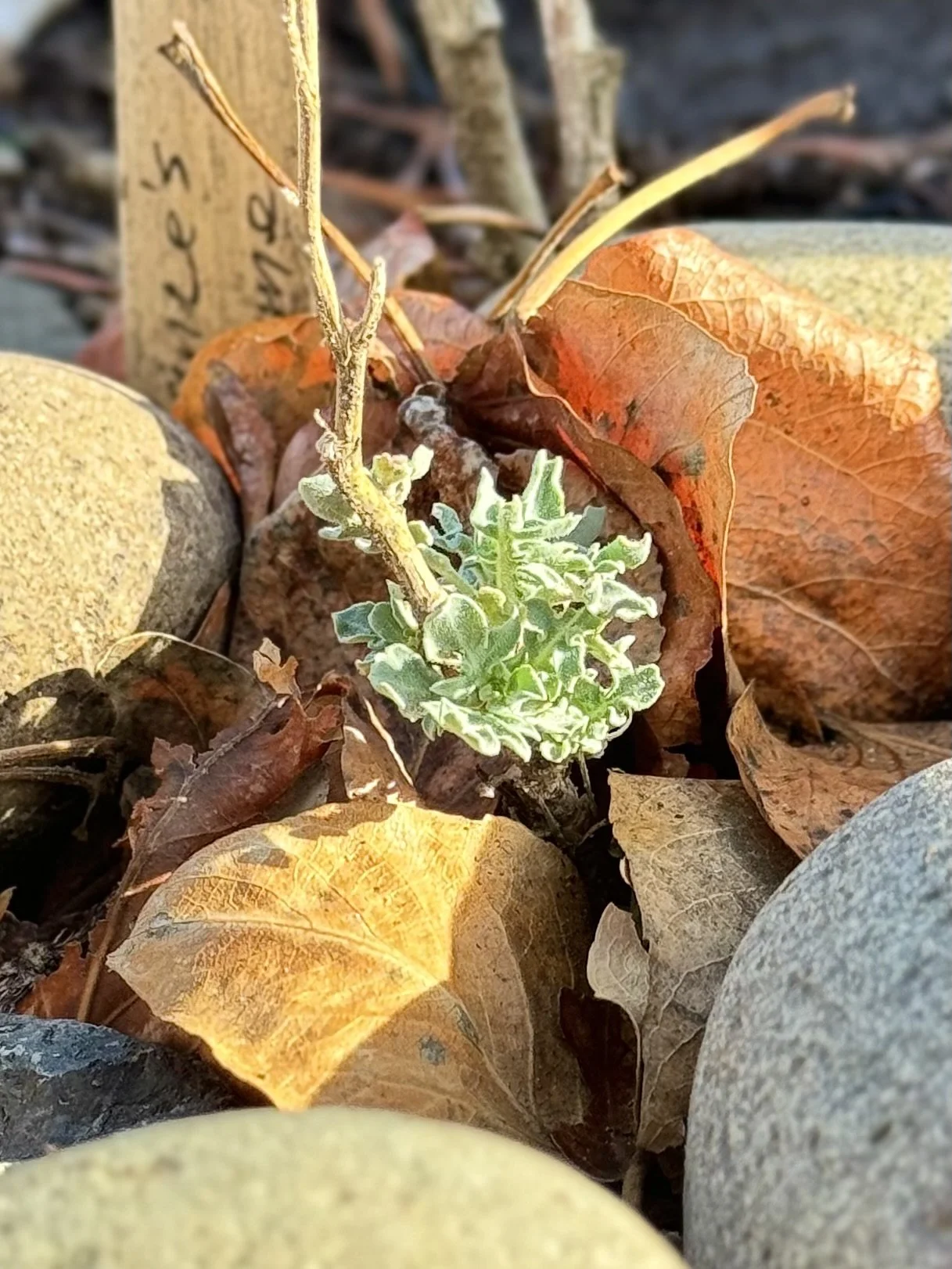
Leave the stems standing through winter and cut back in late spring, keeping about a third for insects. Do not fertilize, ever, and do not water once established. It has a deep taproot and dislikes disturbance, so do not attempt to move or divide it. Let it self-sow if you want more.