Plant Characteristics
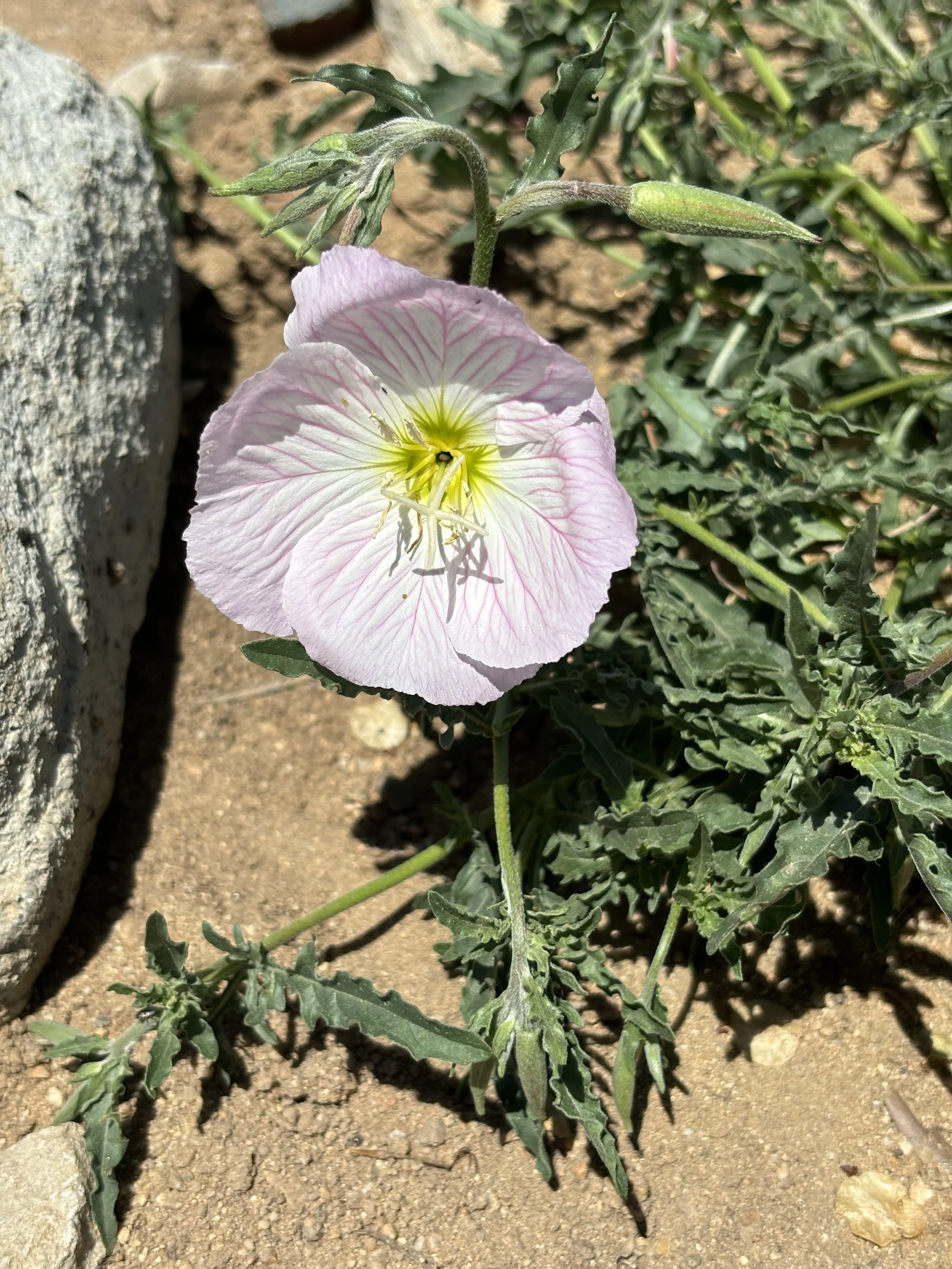
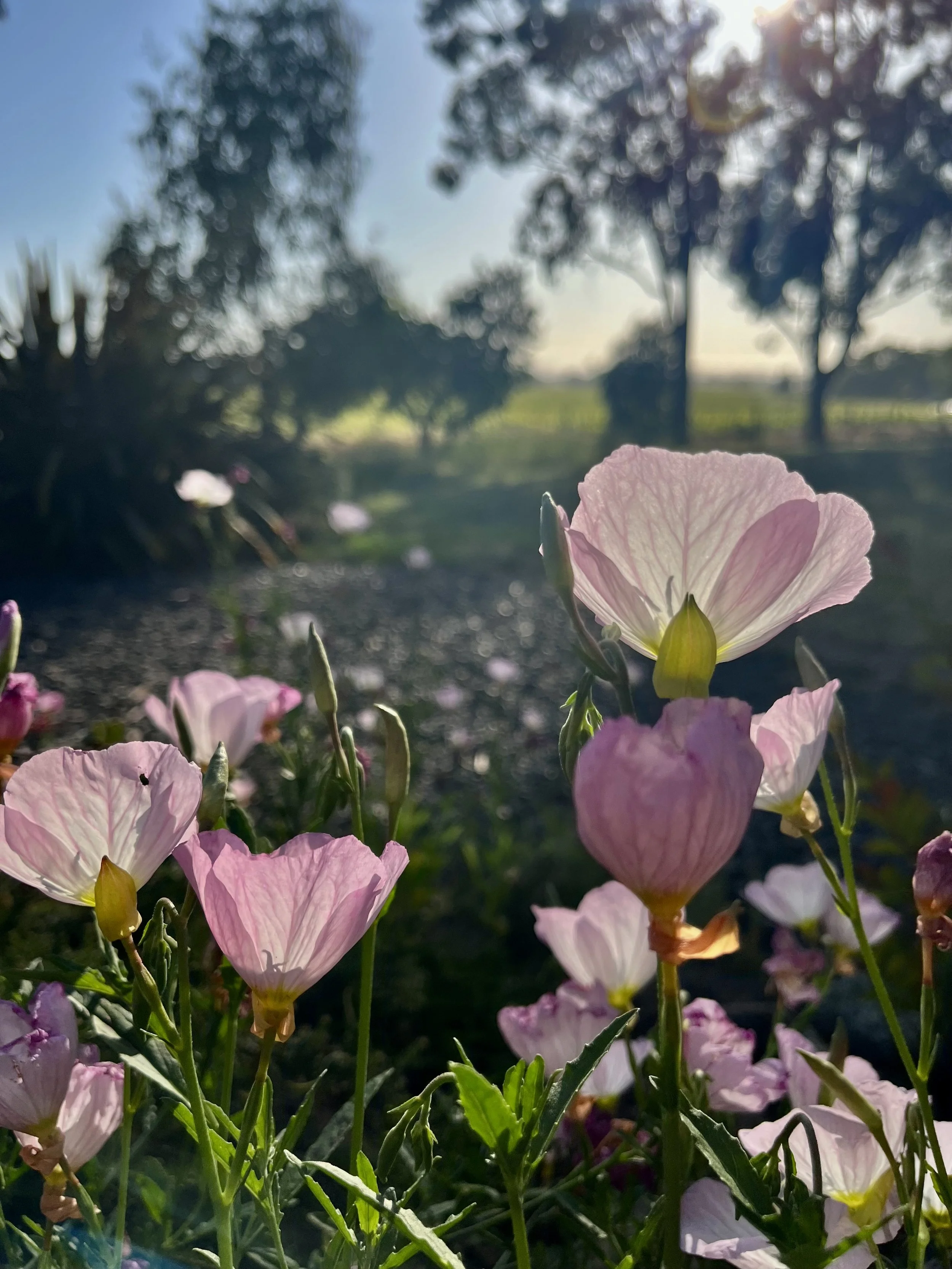
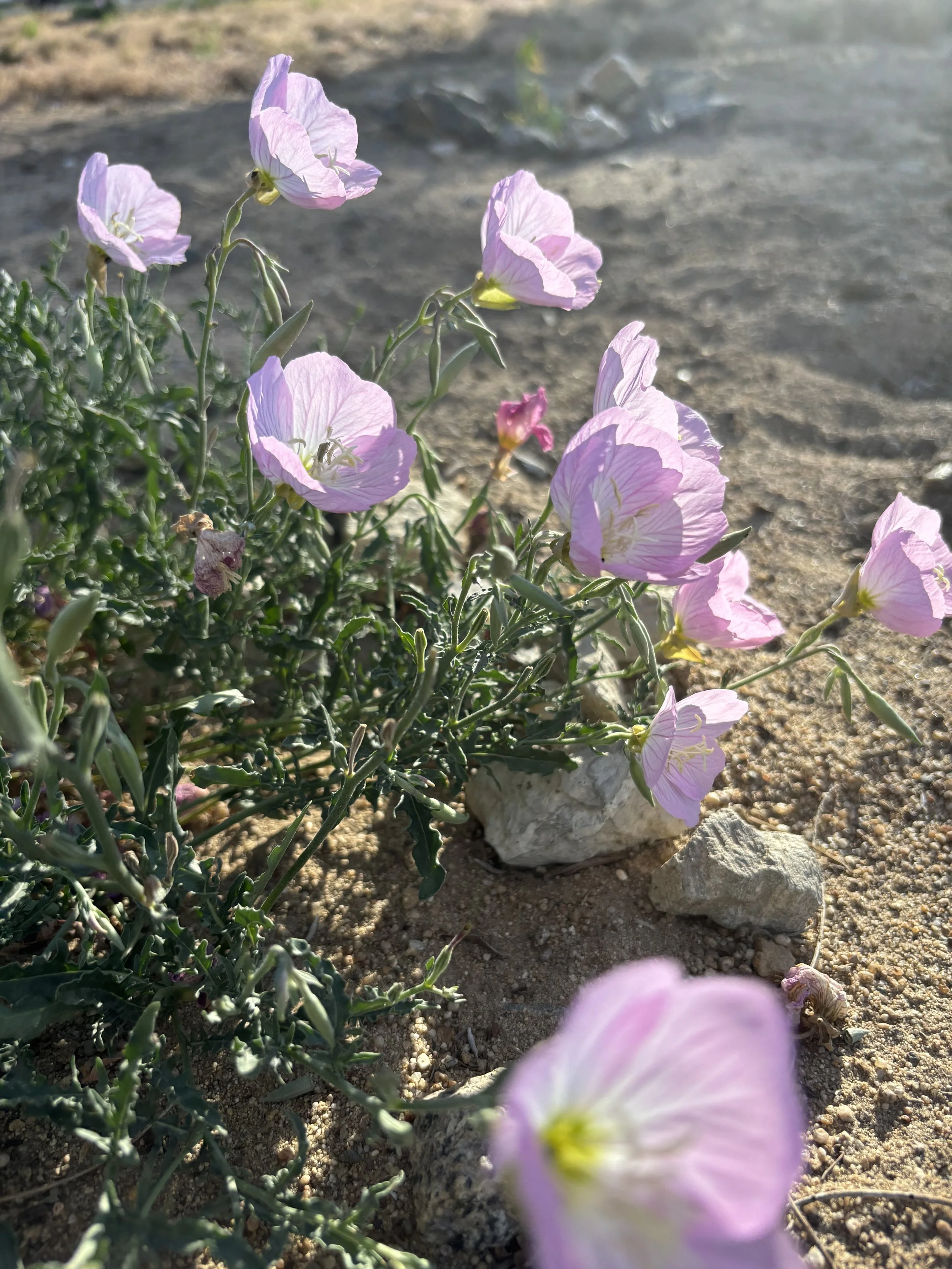
Botanical Name: Oenothera speciosa
Common Name: Pink Evening Primrose
Native: Native
Sun: Full Sun
Water: Low
Bloom Time: Late spring to summer
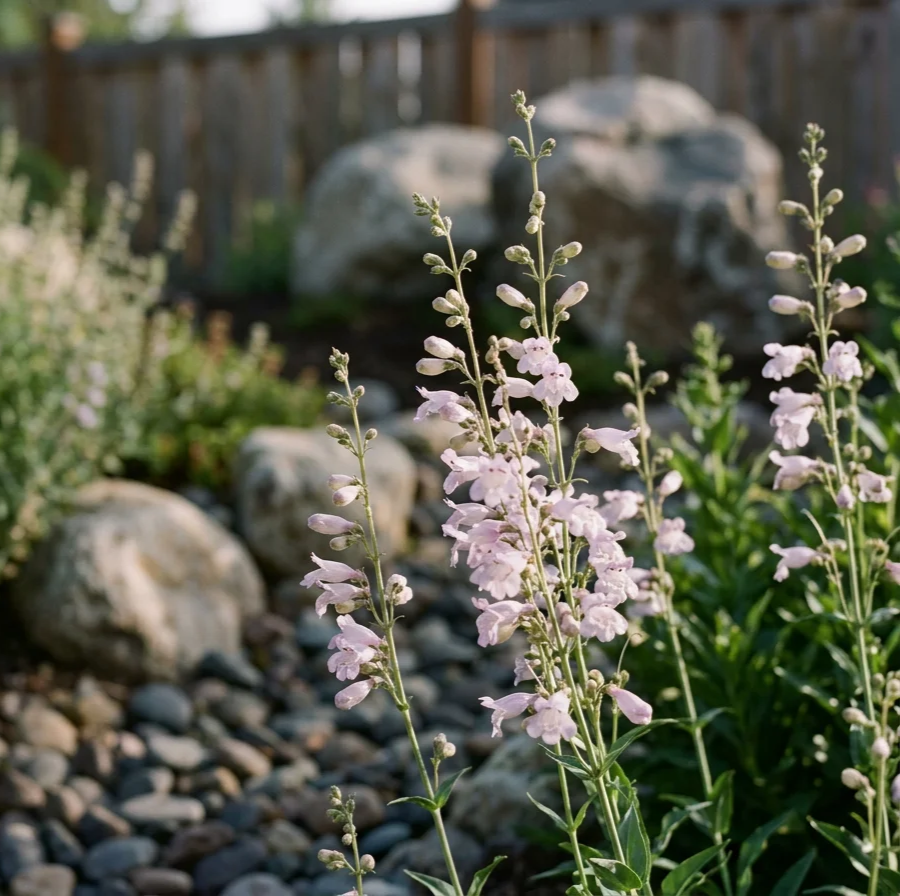
Bloom Color: Soft pink
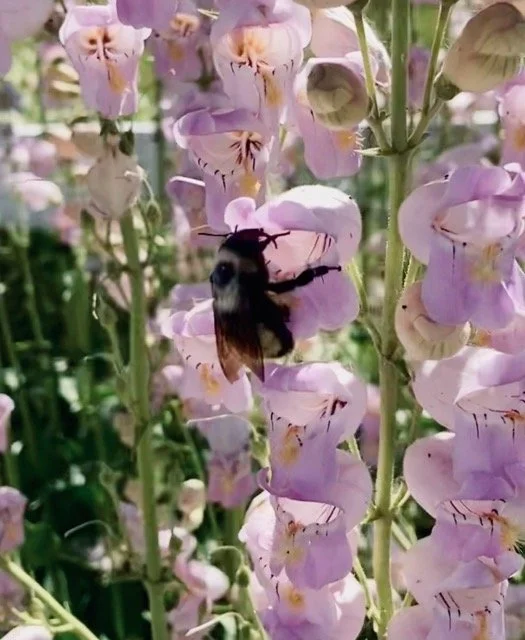
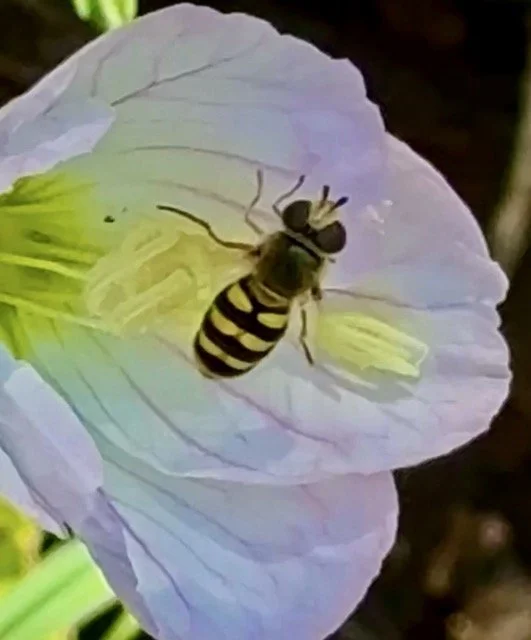
Pollinators: Bees; Moths
Deer Resistant: Yes
Mature Size: W Spreading x H 12"-18"
Soil: Sharply drained; lean soil
Plant Type: Herbaceous perennial
USDA Zones: 4 to 9
Spread Habit: Spreads aggressively by rhizome
Available As: Live plant
Native Region: Western Great Plains (south-central US); Chihuahuan Desert (edge)
Growing Notes
Full sun and sharply drained, lean soil. The important decision is siting: in good garden ground with regular water, it runs by rhizome and will colonize a bed, while in poor, dry ground it stays reasonable. Space about 15 inches apart on a hot bank or a gravelly strip where spreading is an asset.
Water: Low
Sun: Full Sun
Soil: Sharply drained; lean soil
Mature size: 12 to 18 in. by spreading
Maintenance
Shear it back after the main flush to tidy it and often to get a second bloom. To hold it in place, cut a clean edge around the patch each spring and pull the rhizome shoots outside the line. Do not fertilize or irrigate it well, since both increase spread. Do not plant next to something delicate.