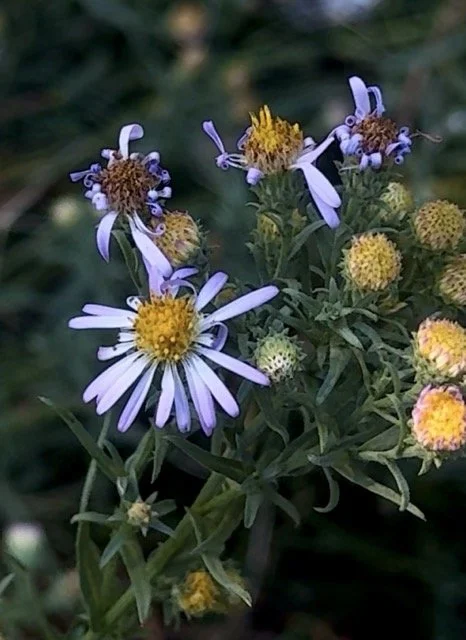

Plant Characteristics
Botanical Name: Symphyotrichum chilense
Common Name: Pacific Aster
Native: Native
Sun: Full Sun to Part Sun
Water: Moderate
Bloom Time: Late summer to fall
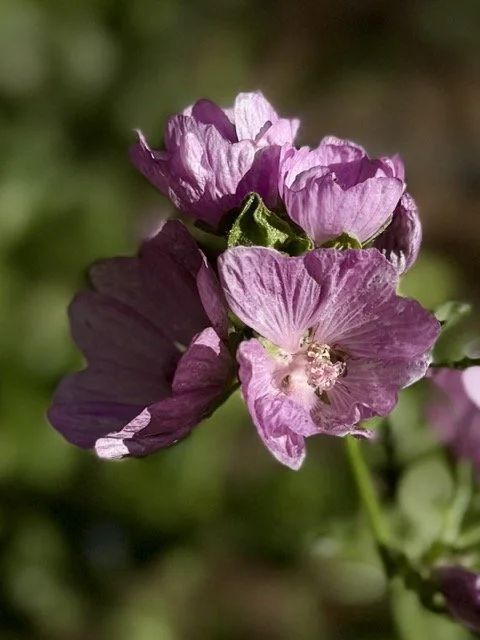
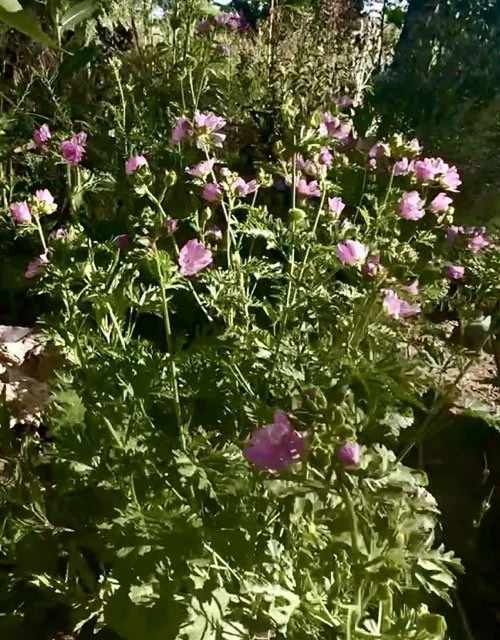
Bloom Color: Lavender with yellow centers
Pollinators: Bees; Butterflies
Deer Resistant: Yes
Mature Size: W Spreading x H 1'-3'
Soil: Well-drained
Plant Type: Herbaceous perennial
USDA Zones: 6 to 10
Spread Habit: Spreads by rhizome
Available As: Live plant
Native Region: California Floristic Province; Pacific Northwest
Host Plant (Great Basin): northern crescent, field crescent
Host Plant (Elsewhere in North America): field crescent
Growing Notes
Full sun to part sun in adaptable, well-drained soil with moderate water. Space about 18 inches apart. It spreads by rhizomes into a loose colony, which is welcome in an informal planting and worth thinking about in a tight border. Note the hardiness range is on the tender side for Northern Nevada, so give it a sheltered spot.
Water: Moderate
Sun: Full Sun to Part Sun
Soil: Well-drained; adaptable
Mature size: 1 to 3 ft by spreading
Maintenance
Cut it back by half in early summer for a shorter, denser plant with more flowers, which is worth doing since it can sprawl. Leave the stems standing over winter and cut back in late spring, keeping about a third. Divide every three years, replanting the vigorous outer growth. Edge the patch annually if you need to hold it in place.