


Plant Characterisics
Botanical Name: Eriophyllum lanatum
Common Name: Oregon Sunshine
Native: Native
Sun: Full Sun
Water: Low
Bloom Time: Late spring to summer
Bloom Color: Golden yellow
Pollinators: Bees; Butterflies
Deer Resistant: Yes
Mature Size: W 1'-2' x H 1'-2'
Soil: Sharply drained; lean, rocky soil
Plant Type: Herbaceous perennial
USDA Zones: 4 to 9
Spread Habit: Clumping; self-sows
Available As: Live plant
Native Region: California Floristic Province; Klamath-Siskiyou; Cascade Range; Pacific Northwest; Great Basin; Northern Rockies
Growing Notes
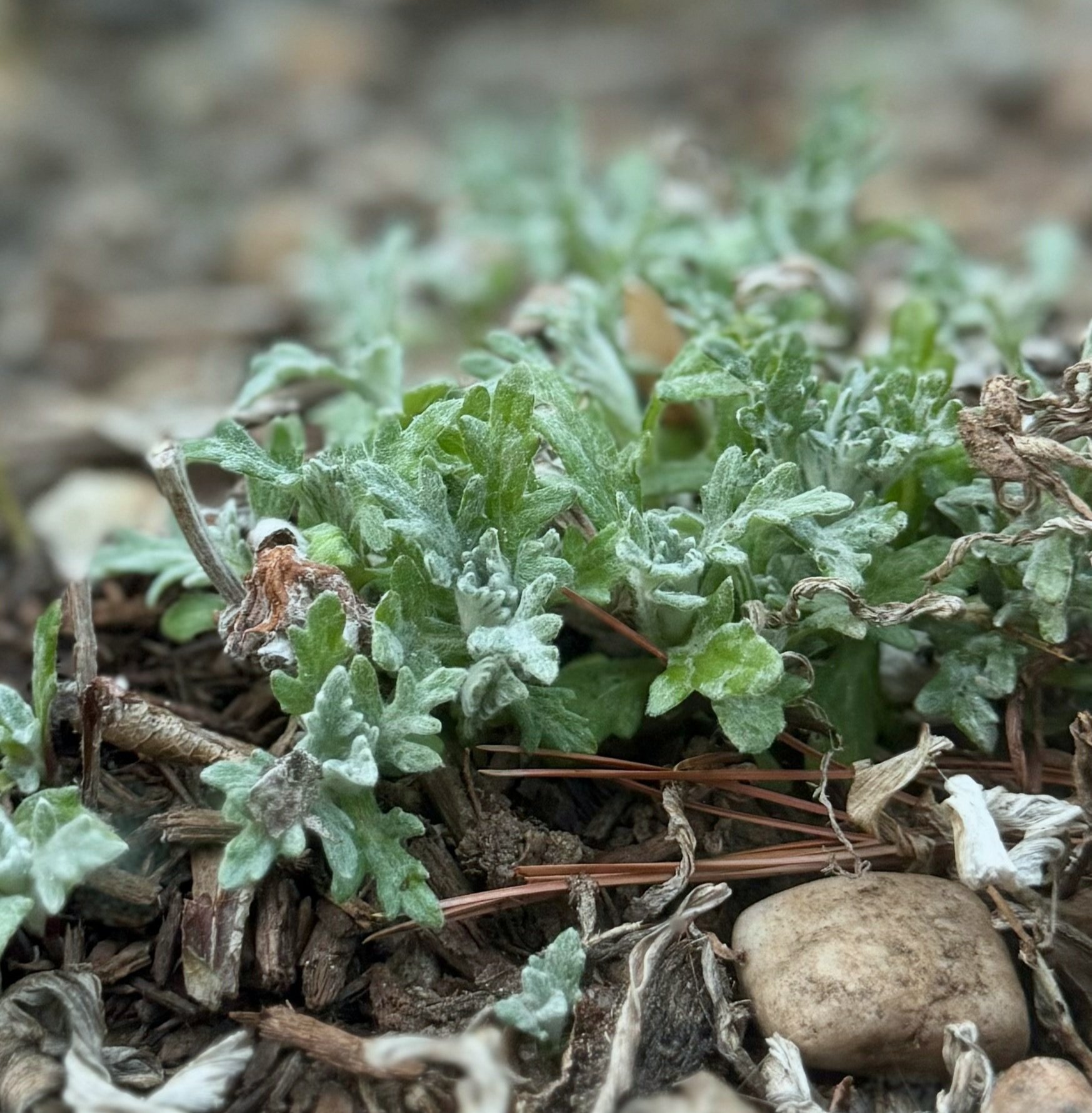
Full sun and sharply drained, lean, rocky soil. The silver foliage is an adaptation to heat and drought, and it looks its best when the plant is grown hard. Space about 18 inches apart. Rich ground and regular water make it floppy and short-lived.
Water: Low
Sun: Full Sun
Soil: Sharply drained; lean, rocky soil
Mature size: 1 to 2 ft by 1 to 2 ft
Maintenance
Shear it back by about a third after flowering to keep it compact and to encourage a second, lighter flush. Leave the growth through winter and tidy in early spring. It is naturally short-lived, so let some seed drop to keep the planting going. No fertilizer.