Plant Characteristics
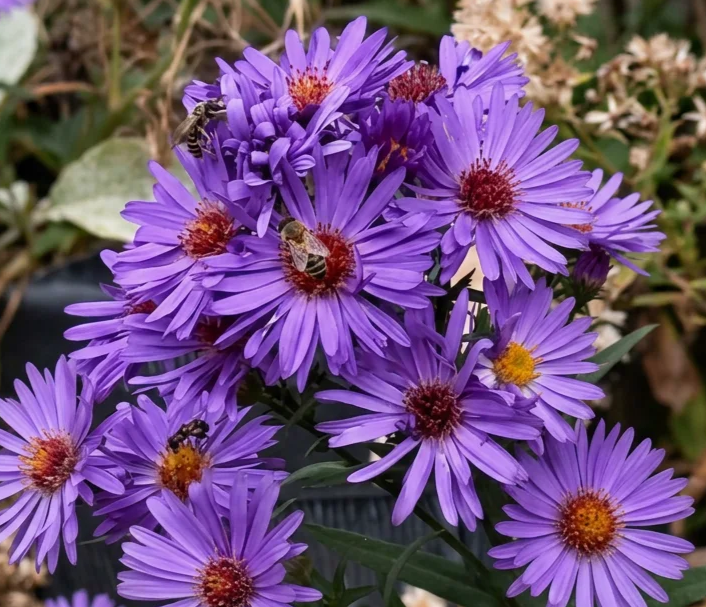
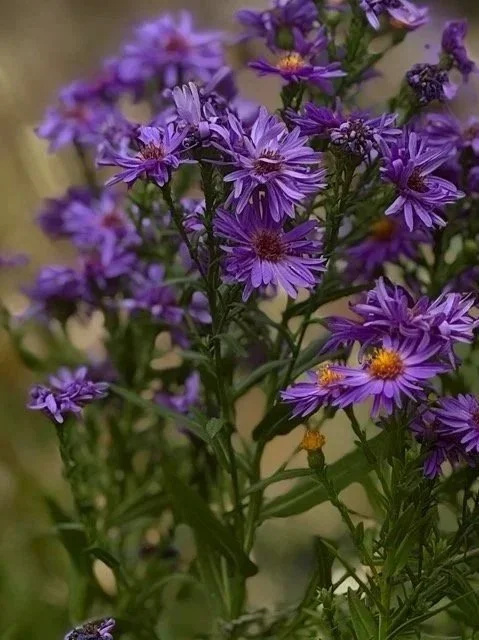
Botanical Name: Symphyotrichum novi-belgii
Common Name: New York Aster
Native: Native
Sun: Full Sun
Water: Moderate
Bloom Time: Fall
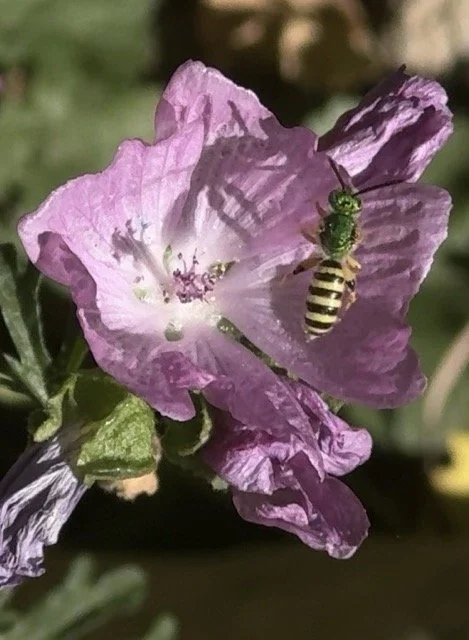
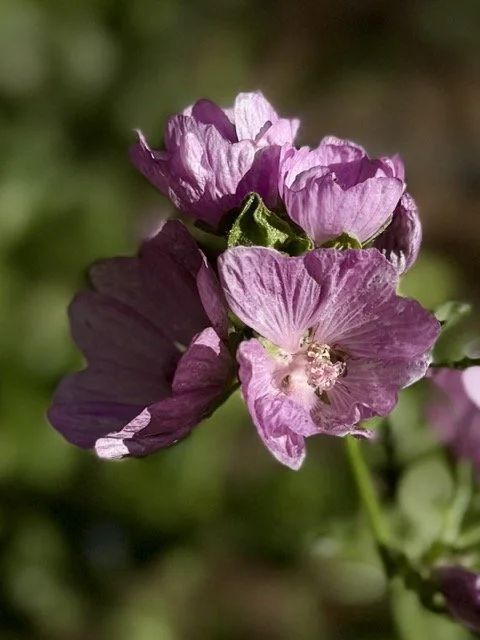
Bloom Color: Blue-purple with yellow centers
Pollinators: Bees; Butterflies
Deer Resistant: Yes
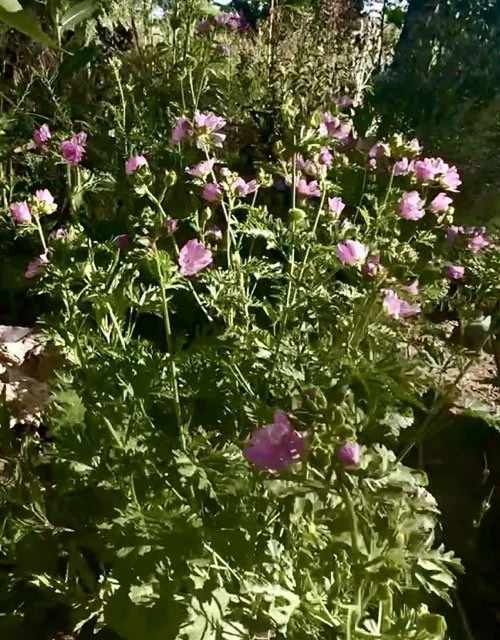
Mature Size: W 2'-3' x H 3'-4'
Soil: Moist, well-drained
Plant Type: Herbaceous perennial
USDA Zones: 4 to 8
Spread Habit: Spreads by rhizome
Available As: Live plant
Native Region: Eastern N.A. (Atlantic; outside western regions)
Growing Notes
Full sun and moist, well-drained soil. This one wants more water than the Great Basin natives in this catalog and will look poor on a dry site, so put it in an irrigated bed. Space about 2 feet apart, partly for air circulation, since crowded asters get mildew on the lower leaves.
Water: Moderate
Sun: Full Sun
Soil: Moist, well-drained
Mature size: 3 to 4 ft by 2 to 3 ft
Maintenance
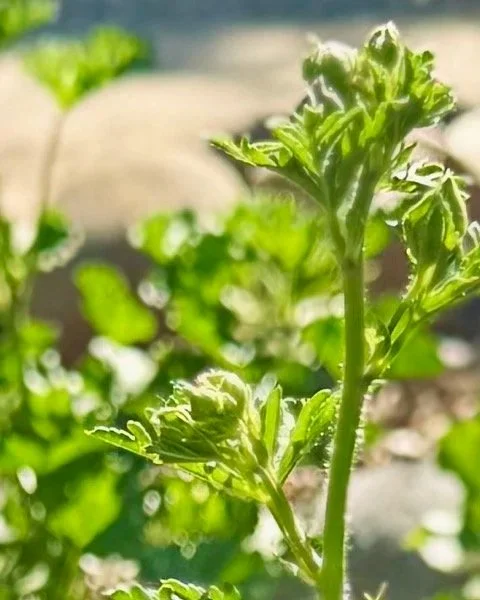
Cut it back by half in early June for a sturdier plant that does not need staking. Leave the stems standing over winter and cut back in late spring, keeping about a third. Divide every three years, keeping the outer sections and discarding the woody center, or it declines. Lower-leaf mildew late in the season is cosmetic.