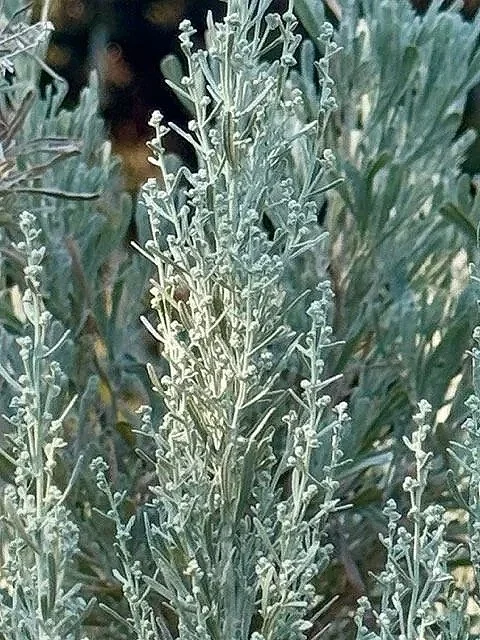
Big Sagebrush (Artemisia tridentata)

from $8.99

Botanical name: Artemisia tridentata‍ ‍ • Bloom season: Late summer to fall‍ ‍ • Bloom color: Yellow ‍ • Host plant (elsewhere in North America): Nevada tiger moth, hera buckmoth, Schinia acutilinea, Schinia separata

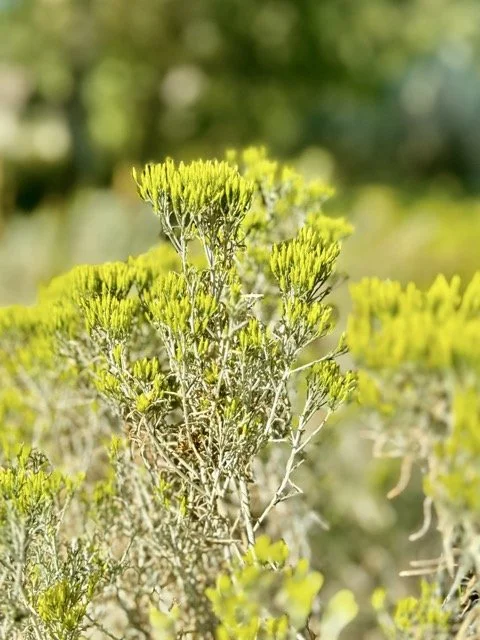
Big Sagebrush defines the Northern Nevada landscape: silver-gray, three-toothed leaves on a gnarled woody frame. It is grown for its foliage and scent rather than its flowers, which are small, yellow, and easy to miss. Sagebrush is the structural backbone of Great Basin habitat and shelters overwintering insects in the ground that offer little else. In the Sierra Mountains of Northern Nevada, this big sagebrush supports many species. It's a keystone species that supports the endangered sage grouse. It provides shade for other native plants to take hold. When it rains, it has a prominent, refreshing fragrance.

Size:

Plant Characteristics

Botanical Name: Artemisia tridentata

Common Name: Big Sagebrush

Native: Native

Sun: Full Sun

Water: Low

Bloom Time: Late summer to fall

Bloom Color: Small yellow flower heads (grown for silver foliage and scent)

Mature Size: W 3'-6' x H 3'-6'

Soil: Sharply drained; lean, rocky, alkaline soil

Plant Type: Evergreen shrub

USDA Zones: 4 to 9

Spread Habit: Clumping; does not spread

Available As: Live plant

Native Region: Great Basin; Colorado Plateau; Wyoming Basin; Columbia Plateau; Northern Rockies (foothills)

Host Plant (Elsewhere in North America): Nevada tiger moth, hera buckmoth, Schinia acutilinea, Schinia separata

Growing Notes

Full sun and sharply drained, lean, rocky, alkaline ground. The single most important thing to understand is that it will not tolerate irrigation. Do not plant it in a watered bed, do not put it on a drip line, and do not amend the hole. Water it through its first summer only, then stop entirely. Give it six feet of room.

  • Water: Low

  • Sun: Full Sun

  • Soil: Sharply drained; lean, rocky, alkaline soil, will not tolerate irrigation

  • Mature size: W 3'-6' x H 3'-6'

Maintenance

The Big Sagebrush needs little to no maintenance. Don't prune it hard; sagebrush doesn’t reliably resprout from old wood, and a heavy cut can kill it. Lightly shape young growth only, if at all. Do not fertilize and do not mulch with anything that holds moisture at the base. Most sagebrush lost in gardens is lost to water, not to neglect.