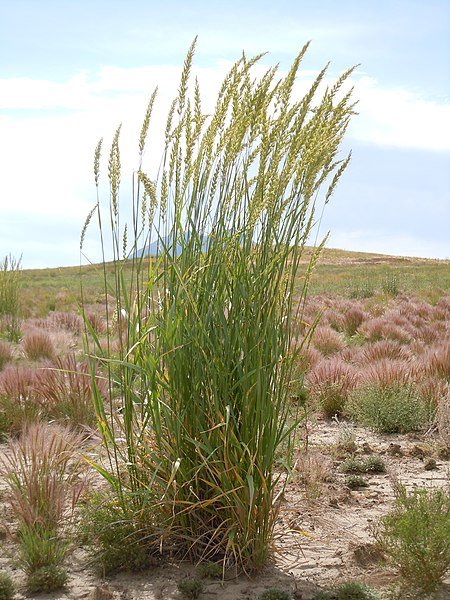

Plant Characteristics
Botanical Name: Achnatherum hymenoides
Common Name: Indian Ricegrass
Native: Native
Native Region: Great Basin; Colorado Plateau; Wyoming Basin; Columbia Plateau; Western Great Plains; Mojave Desert (widespread western)
Sun: Full Sun
Water: Low
Bloom Time: Late spring to early summer
Bloom Color: Straw-tan
Mature Size: W 1'-2' x H 1'-2'
Soil: Sandy or gravelly; needs sharp drainage, tolerates coarse soil
Pollinator Value: Provides overwintering cover for insects and seed for birds
Plant Type: Perennial bunchgrass
USDA Zones: 4 to 9
Spread Habit: Clumping bunchgrass; self-sows
Available As: Live plant
Growing Notes
Indian Ricegrass requires full sun and sharp drainage in sandy or gravelly ground; it fails in clay and with irrigation. Space about 18 inches apart. Do not plant it in a bed that gets summer water, since that is the surest way to lose it. Indian Ricegrass establishes slowly but is worth the patience.
Water: Low
Sun: Full Sun
Soil: Sandy or gravelly; needs sharp drainage, tolerates coarse soil
Mature size: W 1'-2' x H 1'-2'
Maintenance
Leave the clump standing through winter for cover, and comb out or cut back the old growth in early spring before new growth starts. It is short-lived compared with other bunchgrasses, so let it set seed. No division is needed, and no fertilizer is ever needed.