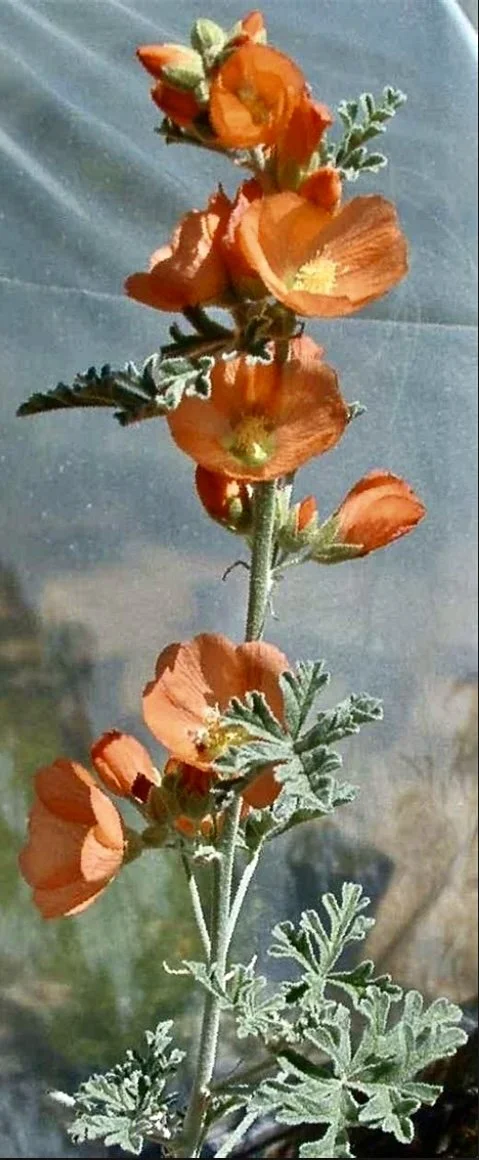
Gooseberryleaf Globemallow (Sphaeralcea grossulariifolia)

from $8.99

Botanical name: Sphaeralcea grossulariifolia ‍ ‍ • Bloom season: Late spring to early summer • Bloom color: Orange-red • Pollinator value: Flagged by Xerces for special value to native bees, including globemallow specialists • Host plant: Common checkered-skipper, West coast lady, Painted lady

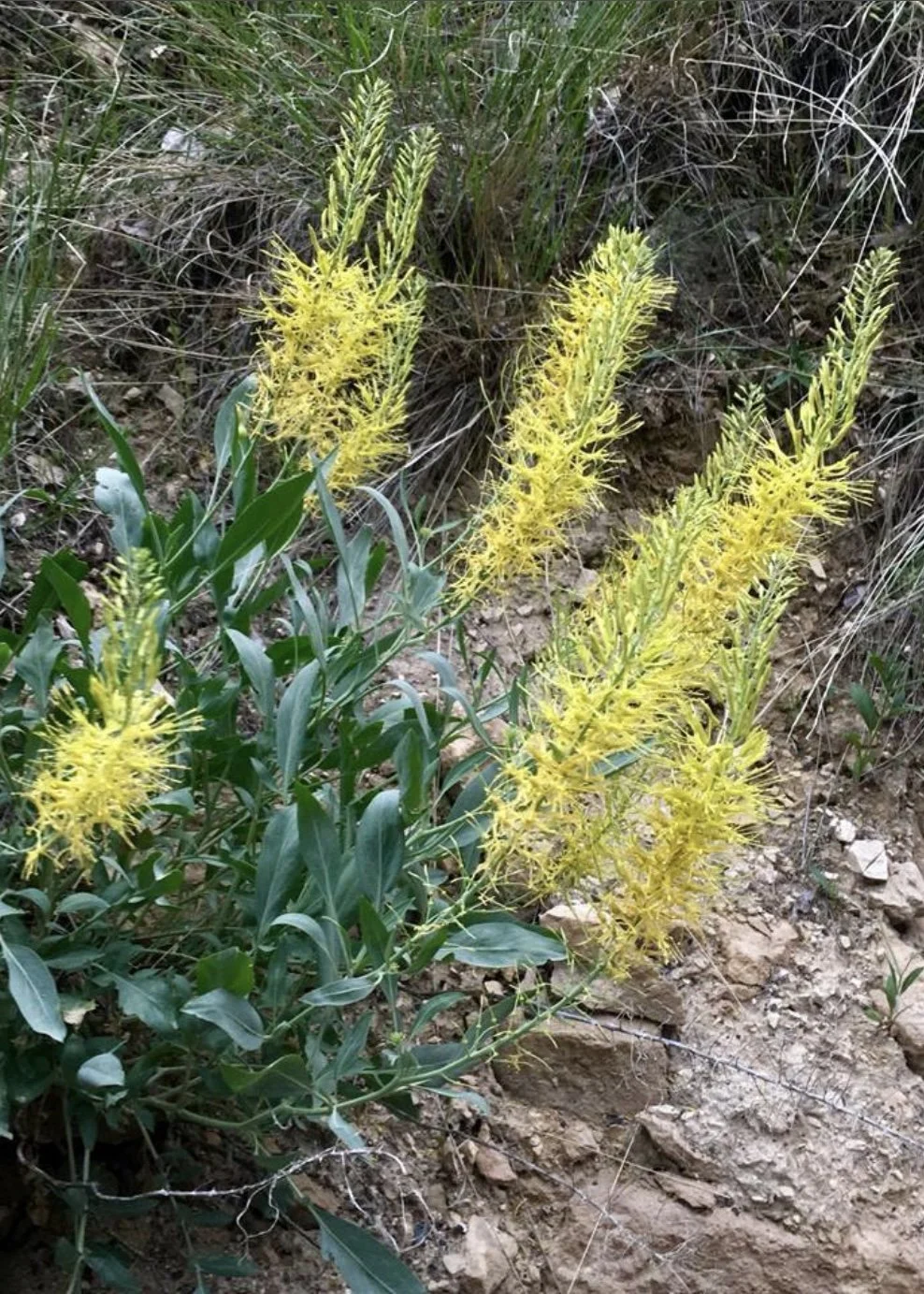
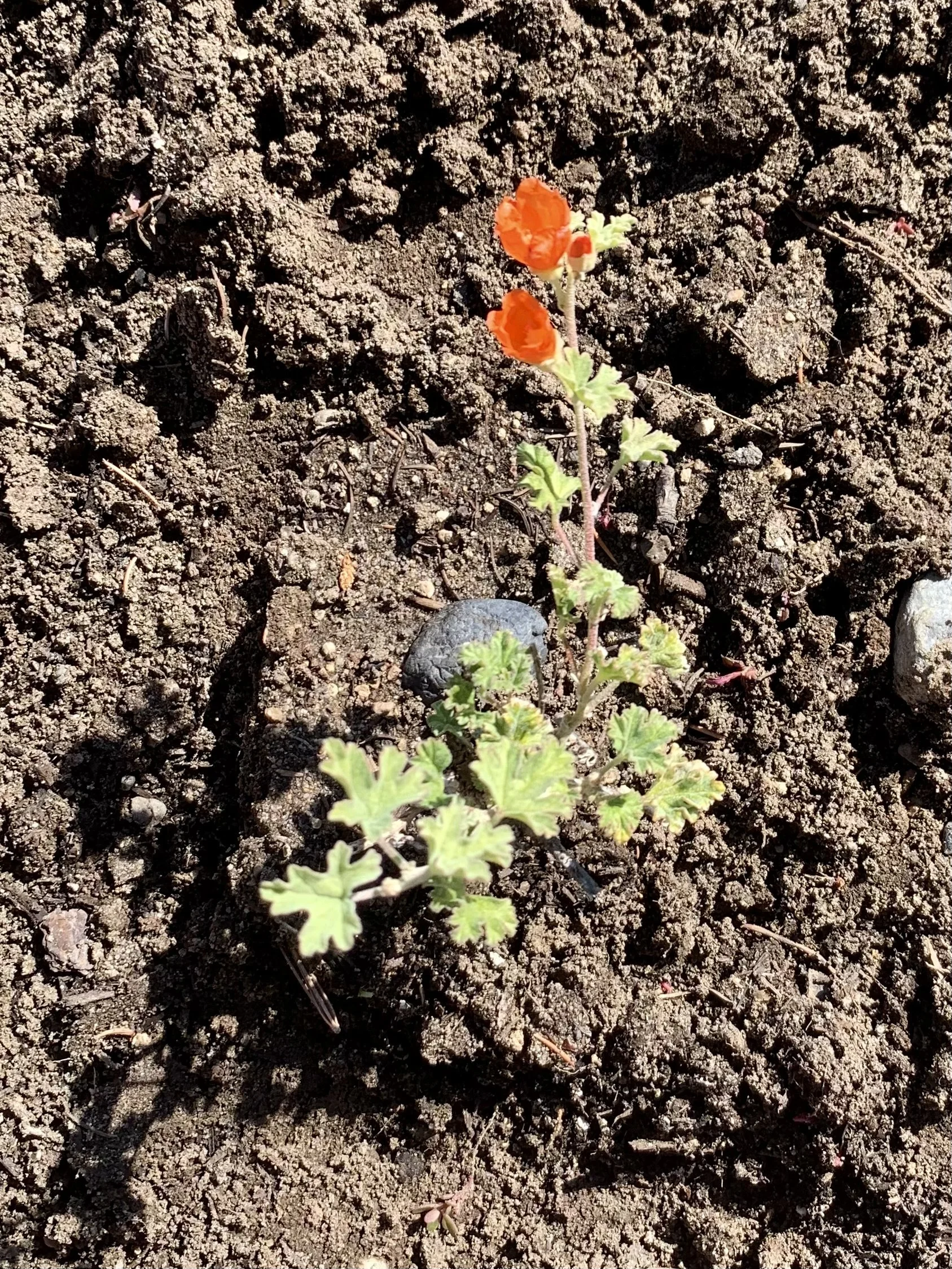
Orange-red cups along upright stems over gray-green lobed leaves, blooming in late spring and early summer. It is the Great Basin's own globemallow, so it is better adapted to Northern Nevada than its desert cousin and hardier through a cold winter. Xerces flags it for special value to native bees, including the globemallow specialists. Described in the wild to only get whatever precipitation comes along, in a xeriscape, monthly to no watering will do. On drip, it will put on a show with more flowering and if cut in the spring, will flush again through the summer and fall.

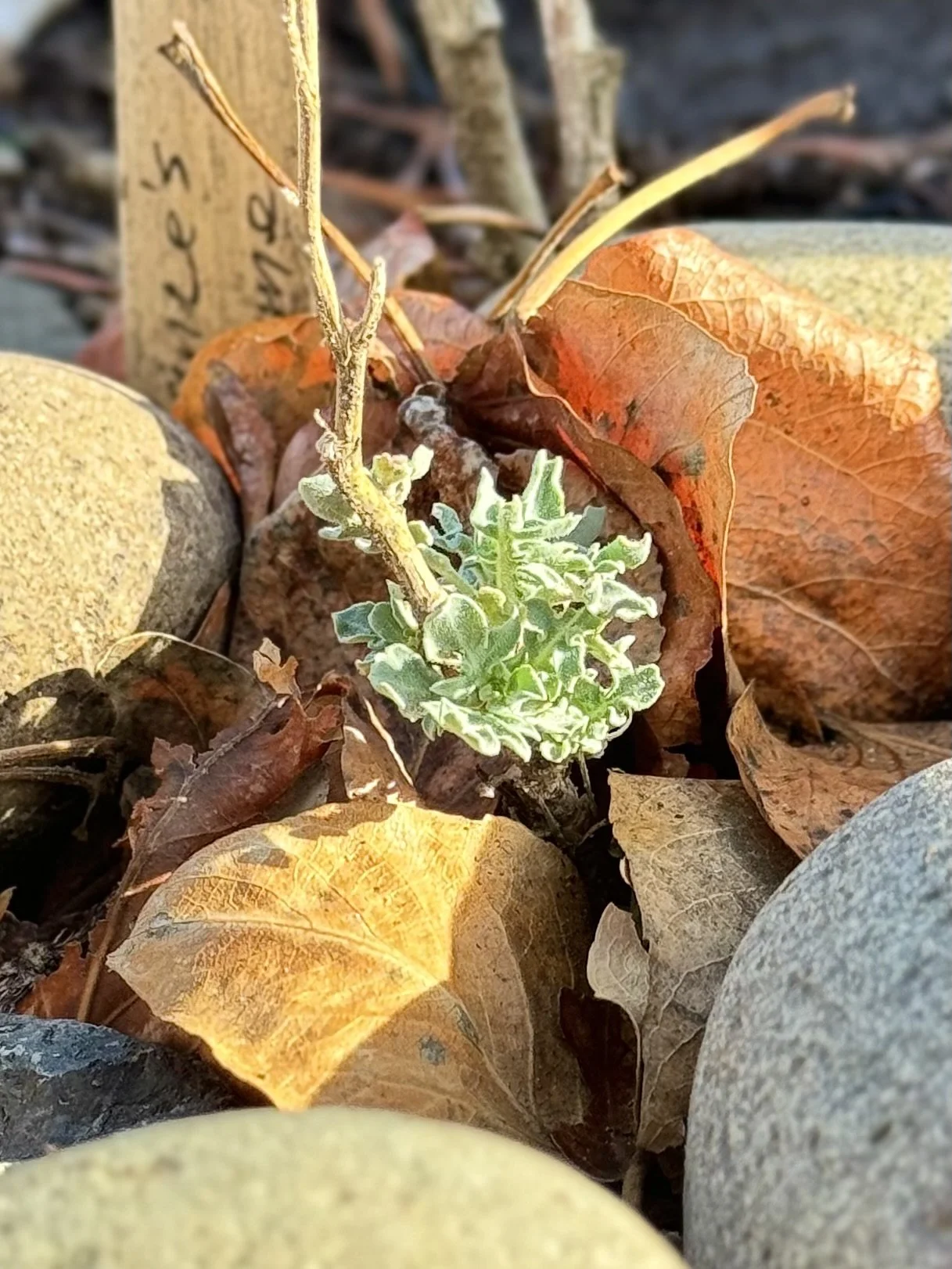
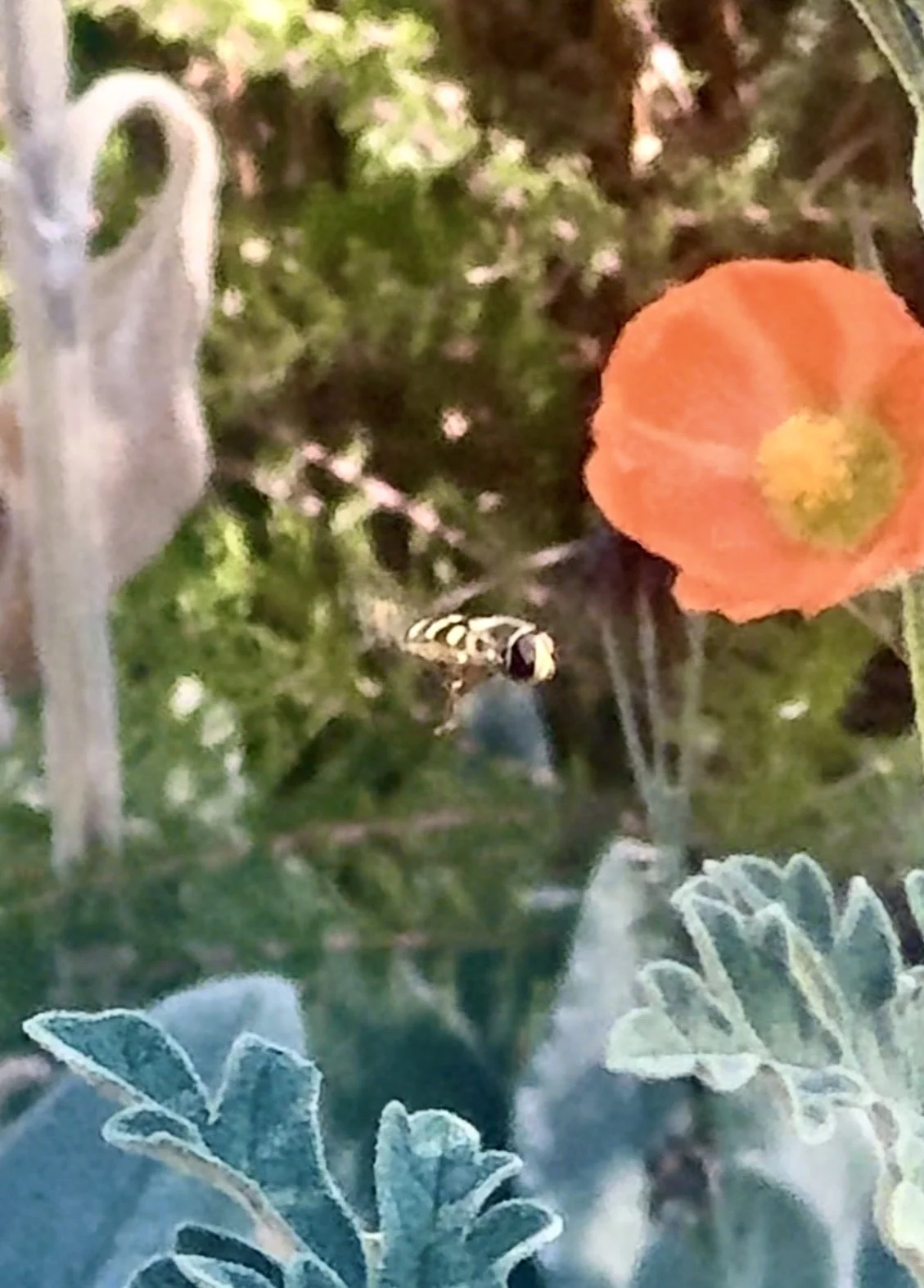
Notice the leaves have deeper spaces and are slightly jagged compared to Desert Globemallow (also in the native selection). See a hoverfly floating near a blossom. Globemallow is a favorite to native bees and butterflies. Here in the Vital Bee Buds landscape, Gooseberryleaf was planted by seed in a rocky area without any supplemental water. Its companions, white yarrow and Penstemons (Rocky Mountain and Palmer’s).

Botanical name: Sphaeralcea grossulariifolia ‍ ‍ • Bloom season: Late spring to early summer • Bloom color: Orange-red • Pollinator value: Flagged by Xerces for special value to native bees, including globemallow specialists • Host plant: Common checkered-skipper, West coast lady, Painted lady

Orange-red cups along upright stems over gray-green lobed leaves, blooming in late spring and early summer. It is the Great Basin's own globemallow, so it is better adapted to Northern Nevada than its desert cousin and hardier through a cold winter. Xerces flags it for special value to native bees, including the globemallow specialists. Described in the wild to only get whatever precipitation comes along, in a xeriscape, monthly to no watering will do. On drip, it will put on a show with more flowering and if cut in the spring, will flush again through the summer and fall.

Notice the leaves have deeper spaces and are slightly jagged compared to Desert Globemallow (also in the native selection). See a hoverfly floating near a blossom. Globemallow is a favorite to native bees and butterflies. Here in the Vital Bee Buds landscape, Gooseberryleaf was planted by seed in a rocky area without any supplemental water. Its companions, white yarrow and Penstemons (Rocky Mountain and Palmer’s).

Size:

Plant Characteristics

Botanical Name: Sphaeralcea grossulariifolia

Common Name: Gooseberryleaf Globemallow

Native: Native

Native Region: Great Basin; Colorado Plateau; Columbia Plateau

Sun: Full Sun

Water: Low

Bloom Time: Late spring to early summer

Bloom Color: Orange-red

Pollinators: Bees; Butterflies

Host Plant: Common checkered-skipper, West coast lady, Painted lady

Deer Resistant: No

Mature Size: W 20"-30" x H 1'-2.5'

Soil: Sharply drained; sandy or loamy, tolerates alkaline and saline soil, poor in clay

Pollinator Value: Flagged by Xerces for special value to native bees, including globemallow specialists

Plant Type: Herbaceous perennial

USDA Zones: 4 to 9

Spread Habit: Clumping; self-sows

Available As: Live plant

Growing Notes

Full sun and sharply drained sandy or loamy ground. It handles alkaline and even saline soil, which makes it useful on difficult sites, but it performs poorly in clay. Space about 2 feet apart. No summer irrigation once established. Note that NRCS records it as palatable browse for deer and antelope, so it is not deer-proof despite the fuzzy leaves.

  • Water: Low

  • Sun: Full Sun

  • Soil: Sharply drained; sandy or loamy, tolerates alkaline and saline soil, poor in clay

  • Mature size: W 20"-30" x H 1'-2.5'

Maintenance

Shear back by a third after flowering for a possible rebloom and to keep it tidy. Leave growth standing through winter for crown protection and cut back in late spring. Do not water or fertilize once established. Let some seed drop, since it is not especially long-lived.