Plant Characteristics
Botanical Name: Penstemon pseudospectabilis
Common Name: Desert Penstemon
Native: Native
Sun: Full Sun
Water: Low
Bloom Time: Spring
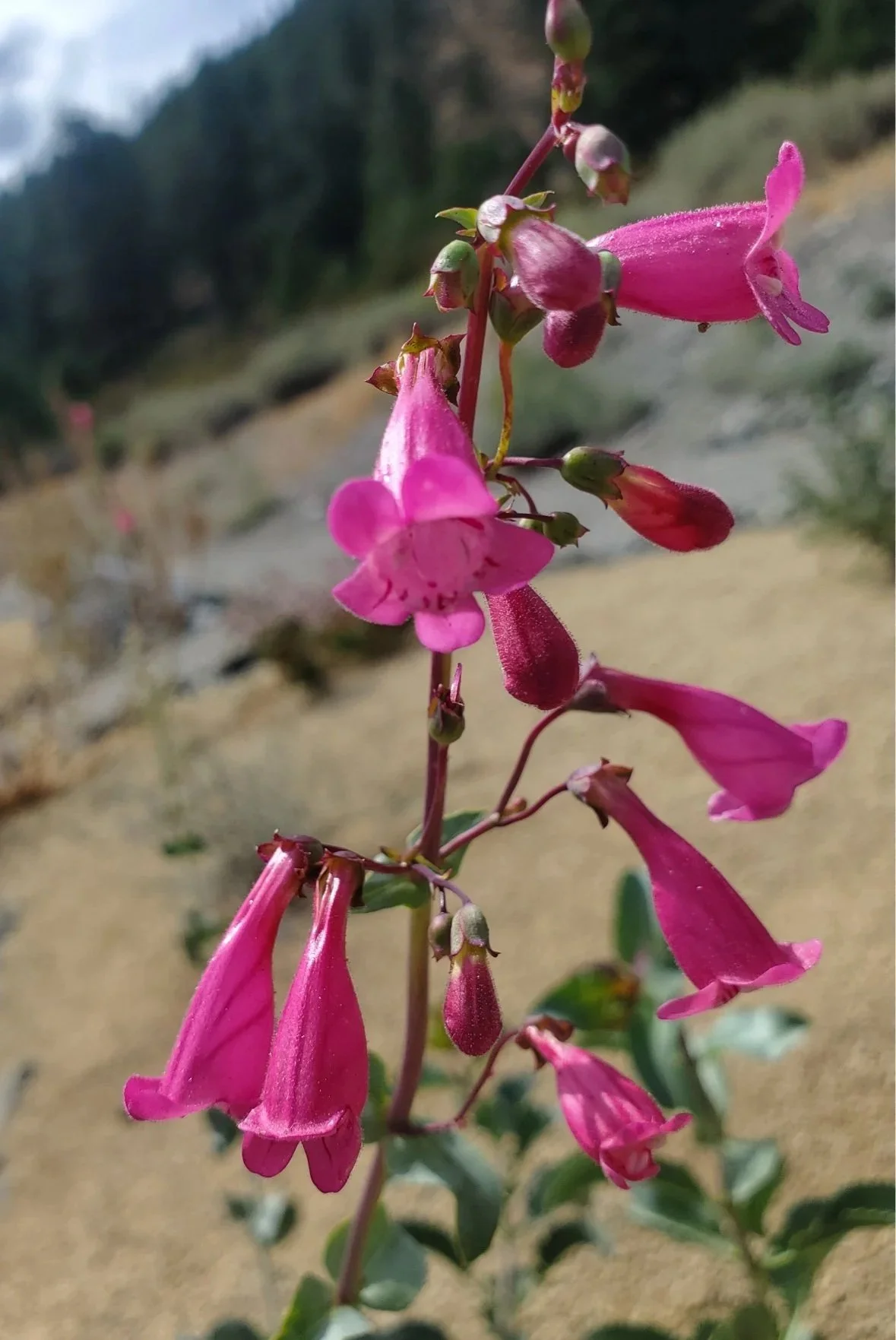
Bloom Color: Rose-magenta
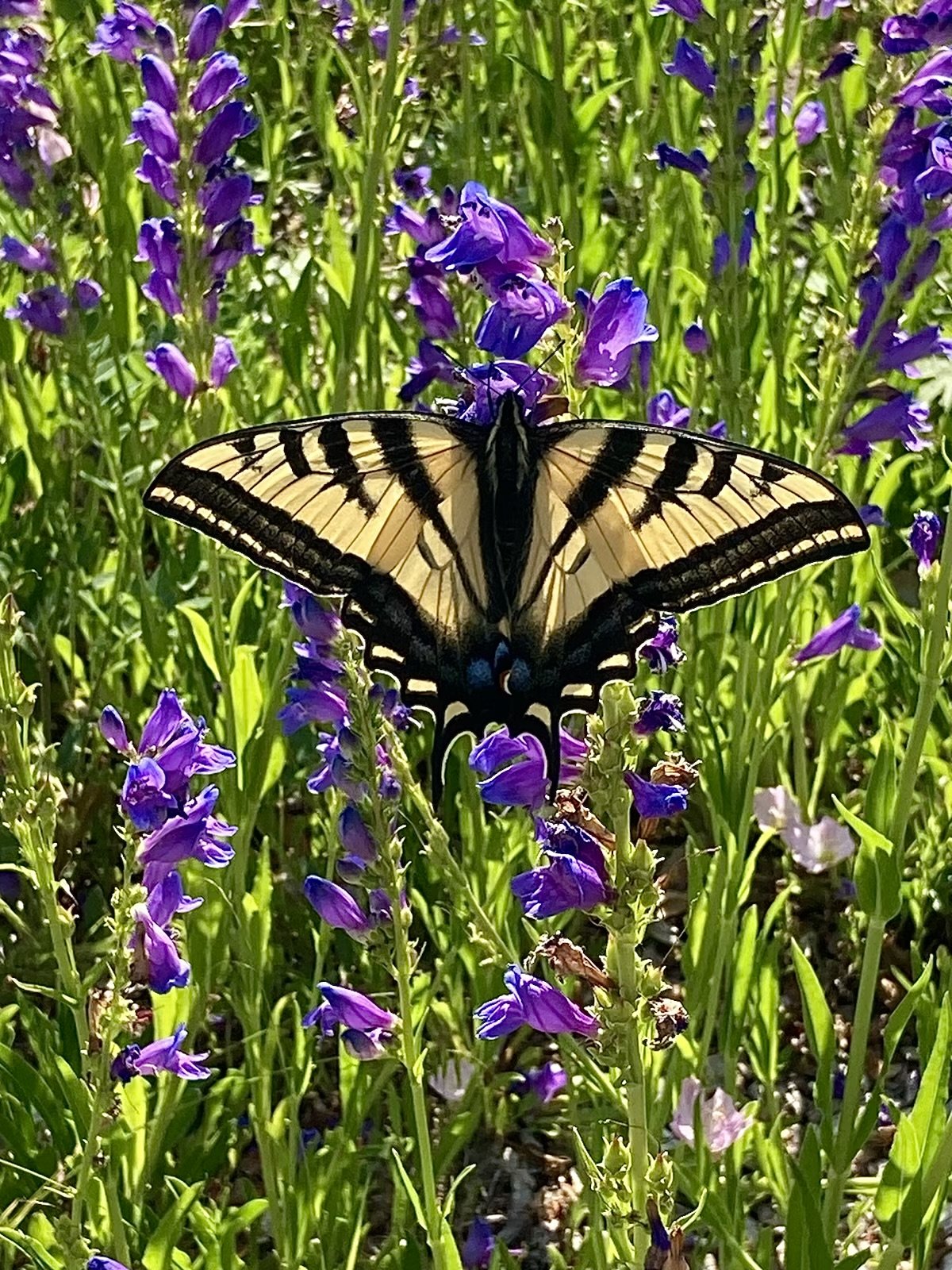
Pollinators: Bees; Hummingbirds
Deer Resistant: Yes
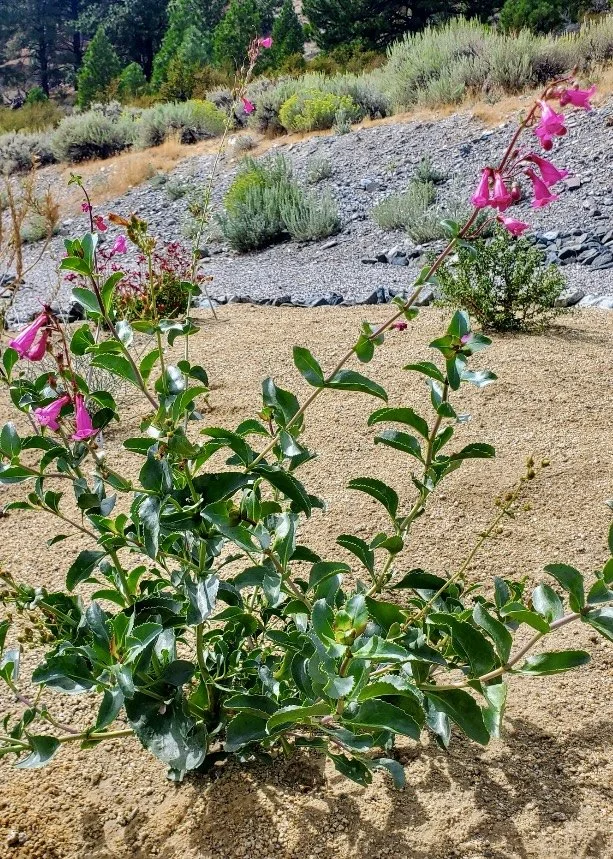
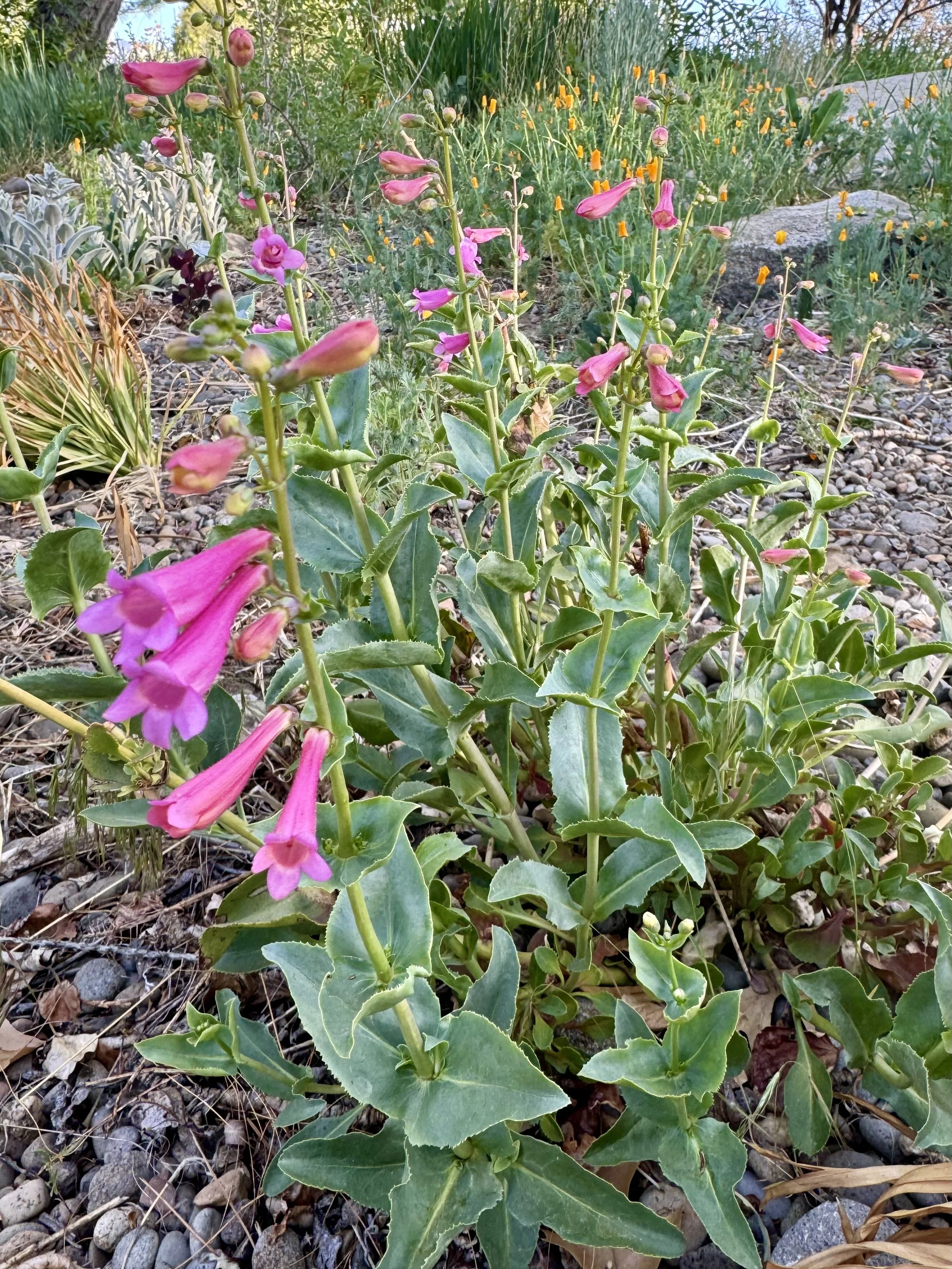
Mature Size: W 1'-2' x H 2'-4'
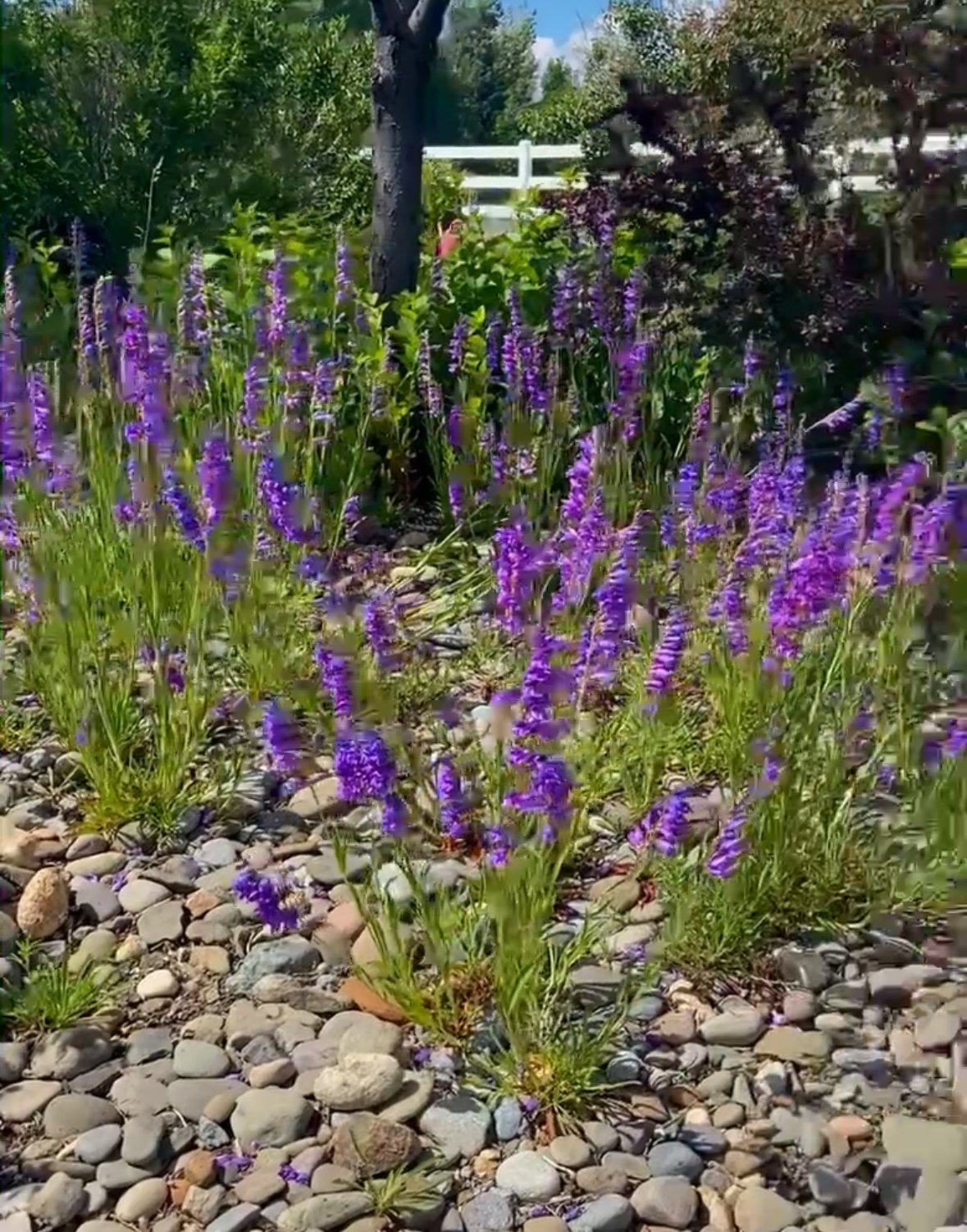
Soil: Sharply drained; lean, gravelly soil
Plant Type: Herbaceous perennial
USDA Zones: 5 to 9
Spread Habit: Clumping; self-sows
Available As: Live plant
Native Region: Sonoran Desert; Mojave Desert; Arizona-New Mexico Mountains
Host Plant (Great Basin): Anicia checkerspot, variable checkerspot, Edith's checkerspot, Arachne checkerspot
Growing Notes
Full sun and sharply drained, lean, gravelly ground with no summer irrigation. It is a desert species and behaves like one: excellent drought tolerance, zero tolerance for wet feet. Space about 18 inches apart. Note it is the least cold-hardy penstemon here, so give it a warm, sheltered position in the Reno area.
Water: Low
Sun: Full Sun
Soil: Sharply drained; lean, gravelly soil
Mature size: W 1'-2' x H 2'-4'
Maintenance
Leave stems standing through winter and cut back in late spring, keeping about a third. No summer water and no fertilizer. It is short-lived, so allow it to self-sow. Sharp winter drainage matters more for this one than for any other penstemon in the catalog.
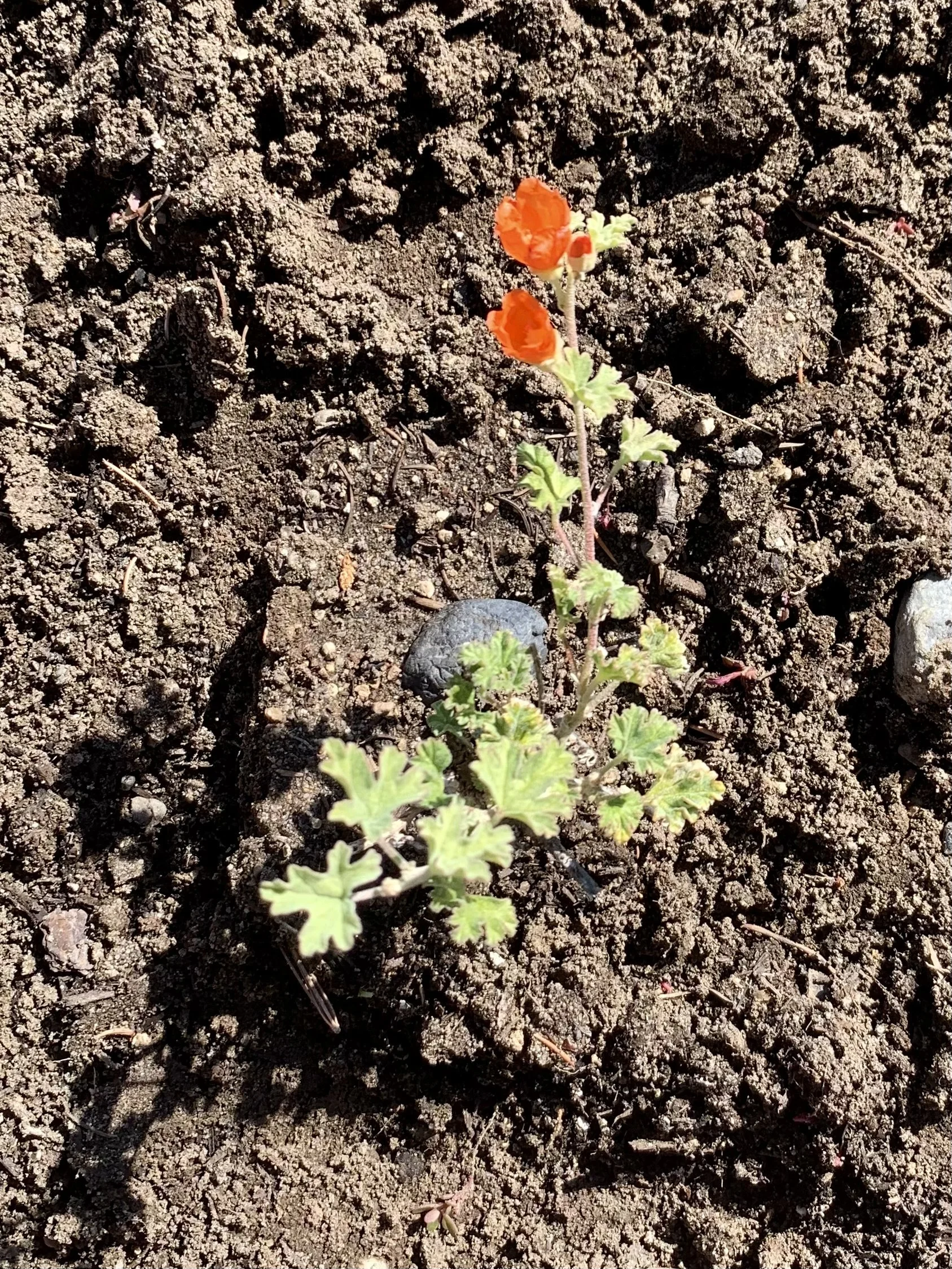
Pay attention to watering care. A small juvenile that doesn’t have much above ground does have a very long taproot, which makes it strong. From experience and true to the experts who share the care, it grows faster and blooms within the first year, reaching at least 12”x12” and now 2’x2’ in its third year. But the stems WILL fall over, and the plant has been known to die when overwatered. Water once a month at most after the first year.