Desert Globemallow Seeds (Sphaeralcea ambigua)

from $4.00

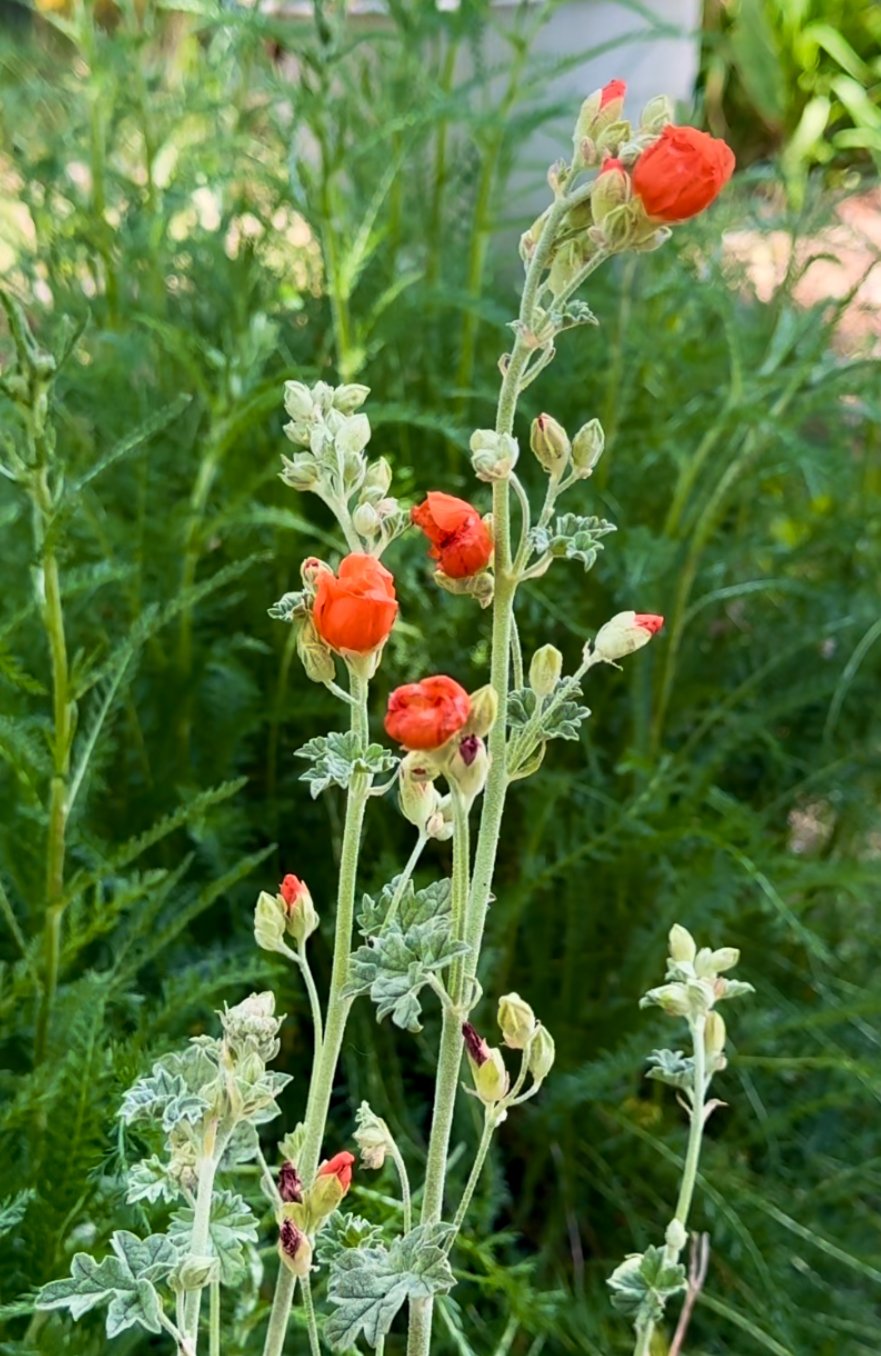
Botanical name: Sphaeralcea ambigua‍ ‍ • Bloom season: Spring to summer ‍ • Bloom color: Apricot-orange ‍ • Pollinator value: Supports globemallow specialist bees (Diadasia) ‍ • Host plant: Common checkered-skipper, West Coast lady, Painted lady


Seed of the globemallow supports Diadasia specialist bees, insects that visit almost exclusively and that a general wildflower mix will not feed. Growing it from seed is the practical way to get the drift that actually sustains a population, and seedlings establish their taproot in place rather than being transplanted into it.

Botanical name: Sphaeralcea ambigua‍ ‍ • Bloom season: Spring to summer ‍ • Bloom color: Apricot-orange ‍ • Pollinator value: Supports globemallow specialist bees (Diadasia) ‍ • Host plant: Common checkered-skipper, West Coast lady, Painted lady


Seed of the globemallow supports Diadasia specialist bees, insects that visit almost exclusively and that a general wildflower mix will not feed. Growing it from seed is the practical way to get the drift that actually sustains a population, and seedlings establish their taproot in place rather than being transplanted into it.

Size:

Sowing and Growing Notes

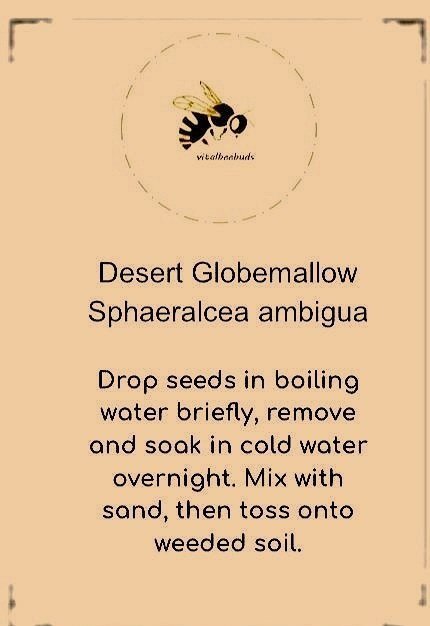
Sow in fall or early spring into full sun on lean, sandy or gravelly, sharply drained ground. Germination is often uneven, which is normal for the genus, so sow more thickly than feels necessary. Do not sow into clay and do not sow into an irrigated bed. Water only until seedlings are up, then let it run dry.

  • Water: Low

  • Sun: Full Sun

  • Soil: Sharply drained; lean, sandy or gravelly soil, will not tolerate clay or overwatering

  • Mature size: W 2'-3' x H 2'-3'

Maintenance

Expect a small rosette the first year and flowering in the second. Once established, shear lightly after the first bloom for a rebloom, leave the growth over winter, and cut back in late spring. No irrigation and no fertilizer.