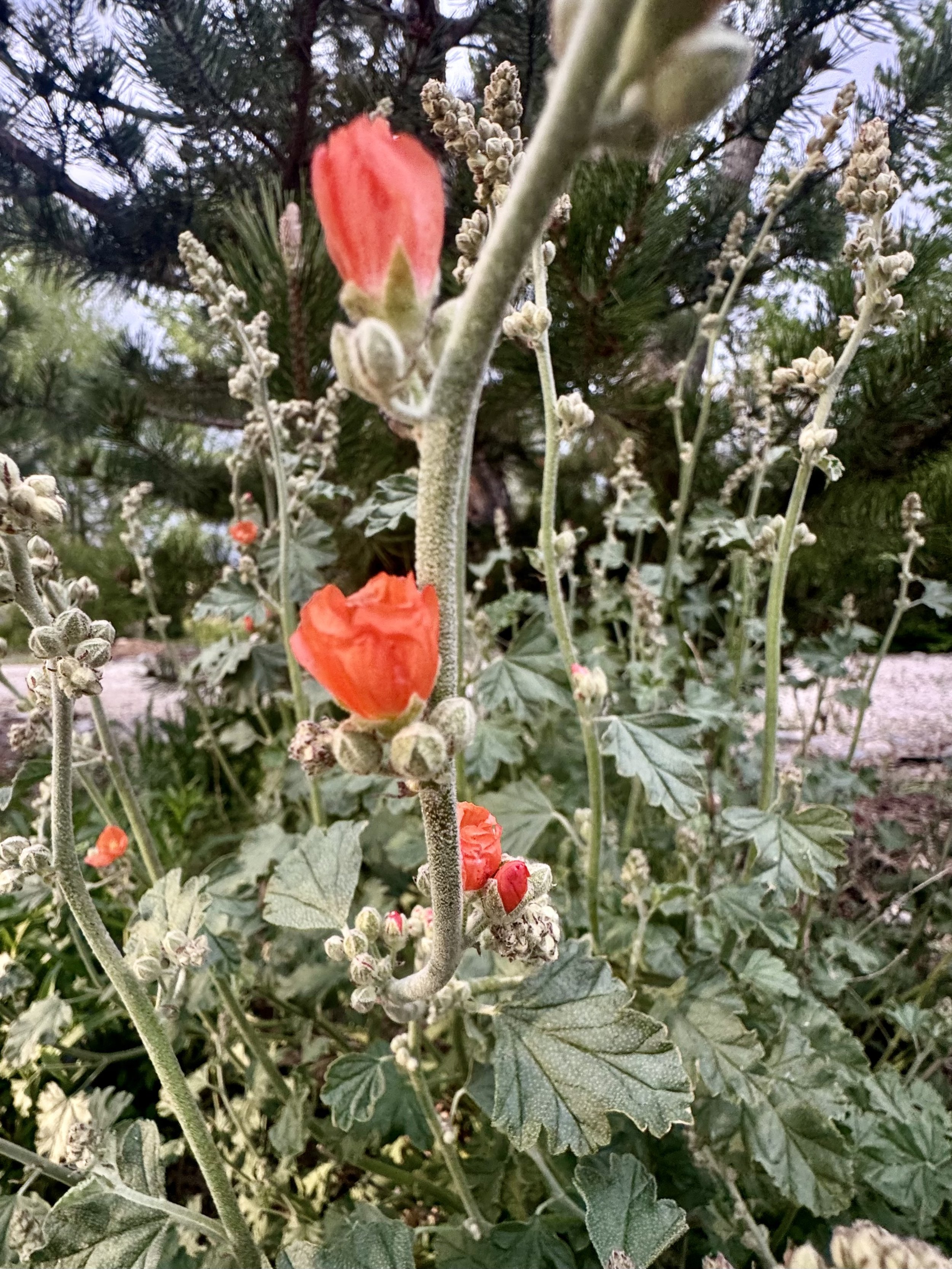
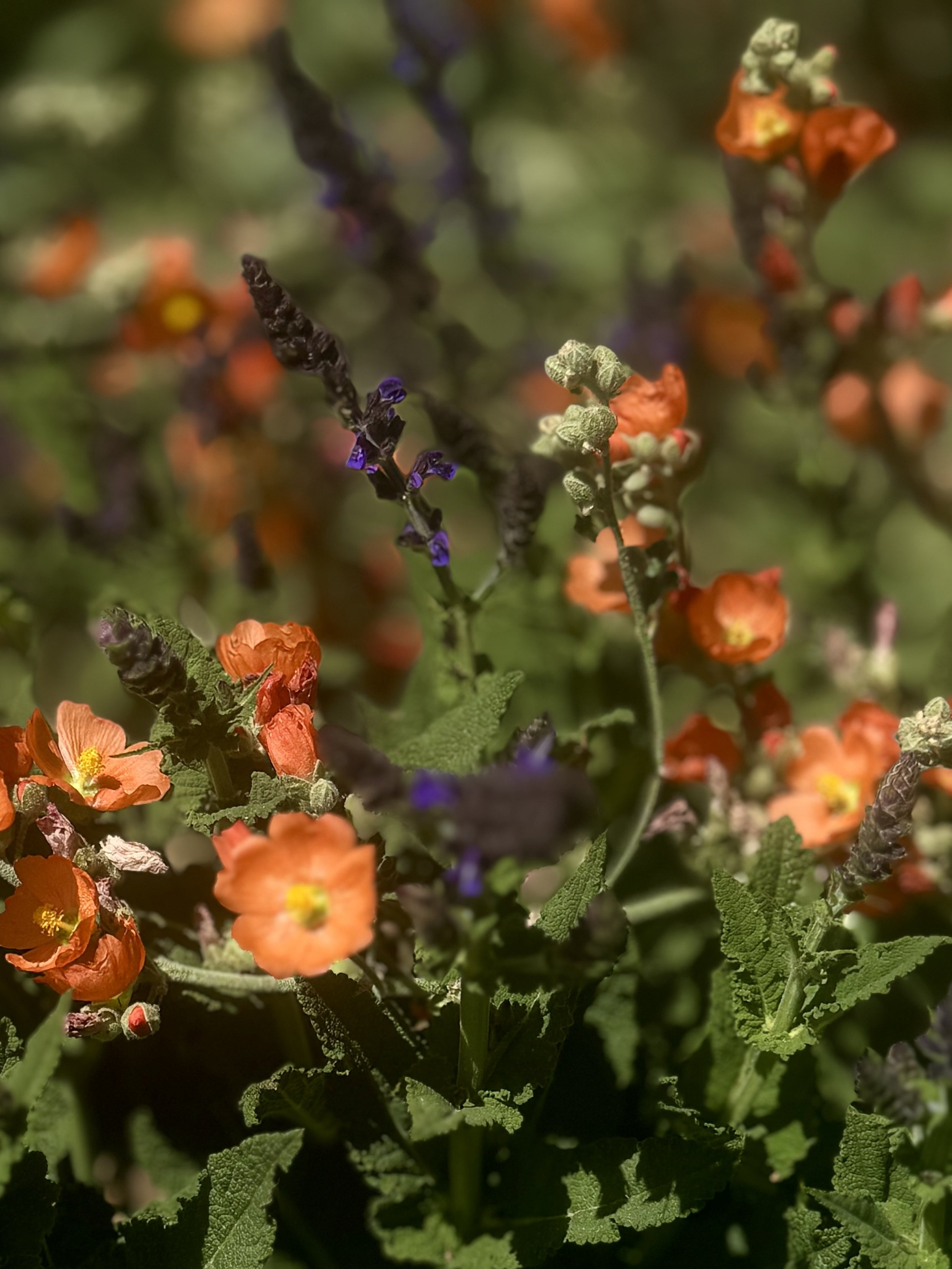
Plant Characteristics
Botanical Name: Sphaeralcea ambigua
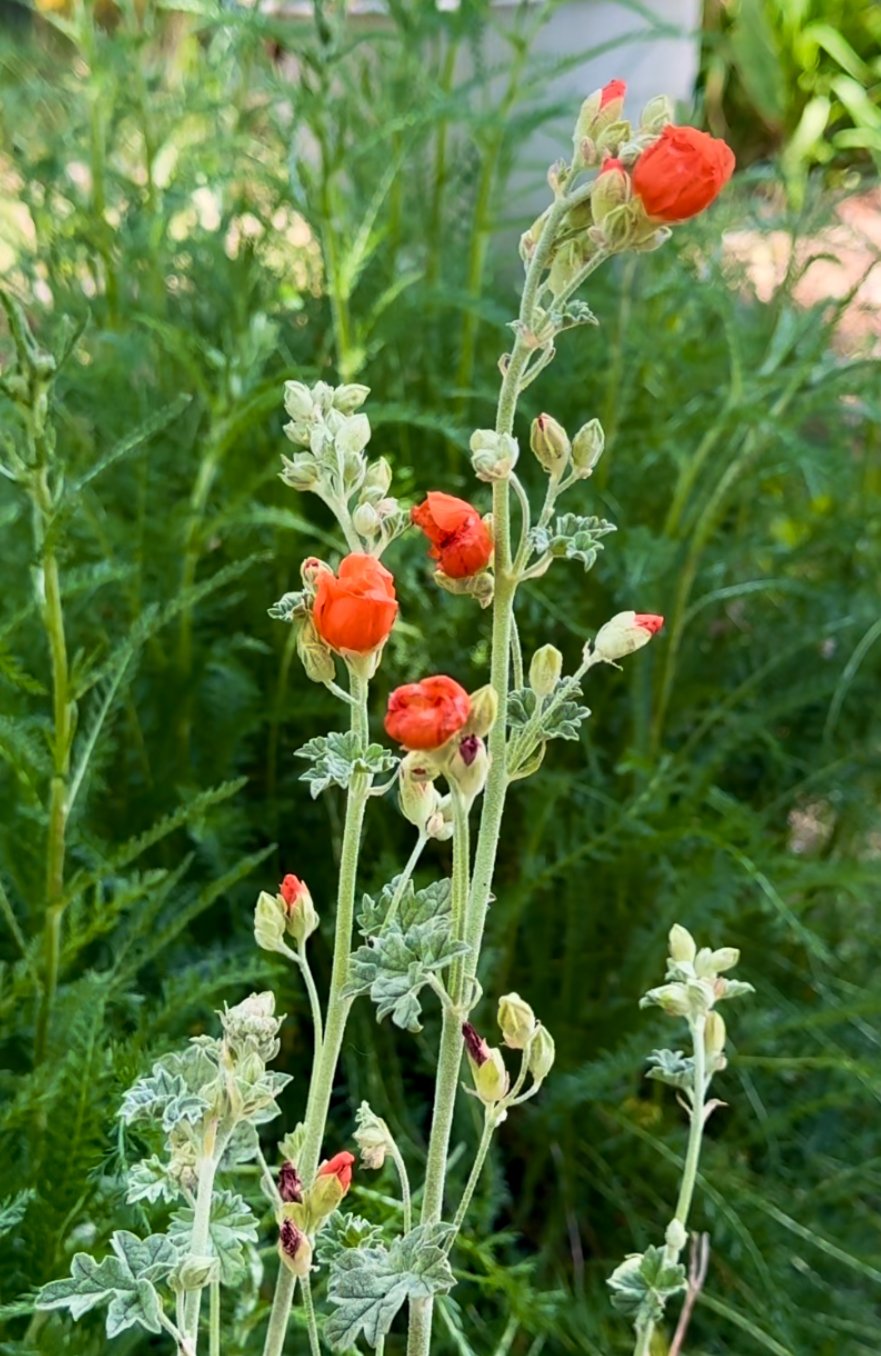
Common Name: Desert Globemallow
Native: Native
Sun: Full Sun
Water: Low
Bloom Time: Spring to summer
Bloom Color: Apricot-orange
Pollinators: Bees; Butterflies
Deer Resistant: Yes
Mature Size: W 2'-3' x H 2'-3'
Soil: Sharply drained; lean, sandy or gravelly soil, will not tolerate clay or overwatering
Plant Type: Herbaceous perennial subshrub
USDA Zones: 6 to 10
Spread Habit: Clumping
Available As: Live plant
Native Region: Mojave Desert; Sonoran Desert; Colorado Plateau (edge)
Host Plant (Great Basin): common checkered-skipper, west coast lady, painted lady, northern white-skipper, white checkered-skipper, small checkered-skipper
Growing Notes
Full sun and sharply drained, lean, sandy or gravelly ground. It will not tolerate clay or overwatering, the two main ways it is usually lost. Space about 2 feet apart. Note the hardiness range: this is one of the less cold-hardy plants in the catalog, so give it a warm, sheltered, very well-drained position in Reno.
This native Globemallow has been tested at Vital Bee Buds for 4 years. It is temperamental to care for when young. The best success has come with a laser drip emitter near the base that is occasionally moved back and forth across the rootball, helping the young taproot mature with consistent moisture, yet not too much. The roots twist and turn sideways or grow as a straight, downward taproot. A favorite requested by most clients, preferring the soft shade of orange from their hiking excursions. It can bloom in its second year but most often in its third year or when reaching 1.5'. After that, it will send multiple tall stems from the main stem. It is such a special moment to see the green sweat bees and other native bees find their host!
Water: Low
Sun: Full Sun
Soil: Sharply drained; lean, sandy or gravelly soil; will not tolerate clay or overwatering
Mature size: W 2'-3' x H 2'-3'
Note: Because of the long taproot of this native plant, these are sold on the small side for the best chance of transplanting into your space. No soil amendments needed. When removing the plant from the pot, DO NOT loosen the soil away from the taproot. Prepare your hole first and gently set the rootball at the same level as in the pot. Water in a circle where the rootball and native soil meet.
Maintenance
Shear it back by about a third after the first flush, and it will often rebloom. Leave the growth standing through winter, which also protects the crown, and cut back in late spring. Do not irrigate once established and do not fertilize. The fine hairs on the foliage can irritate eyes, so it is worth mentioning to customers who will be handling it.