Plant Characteristics
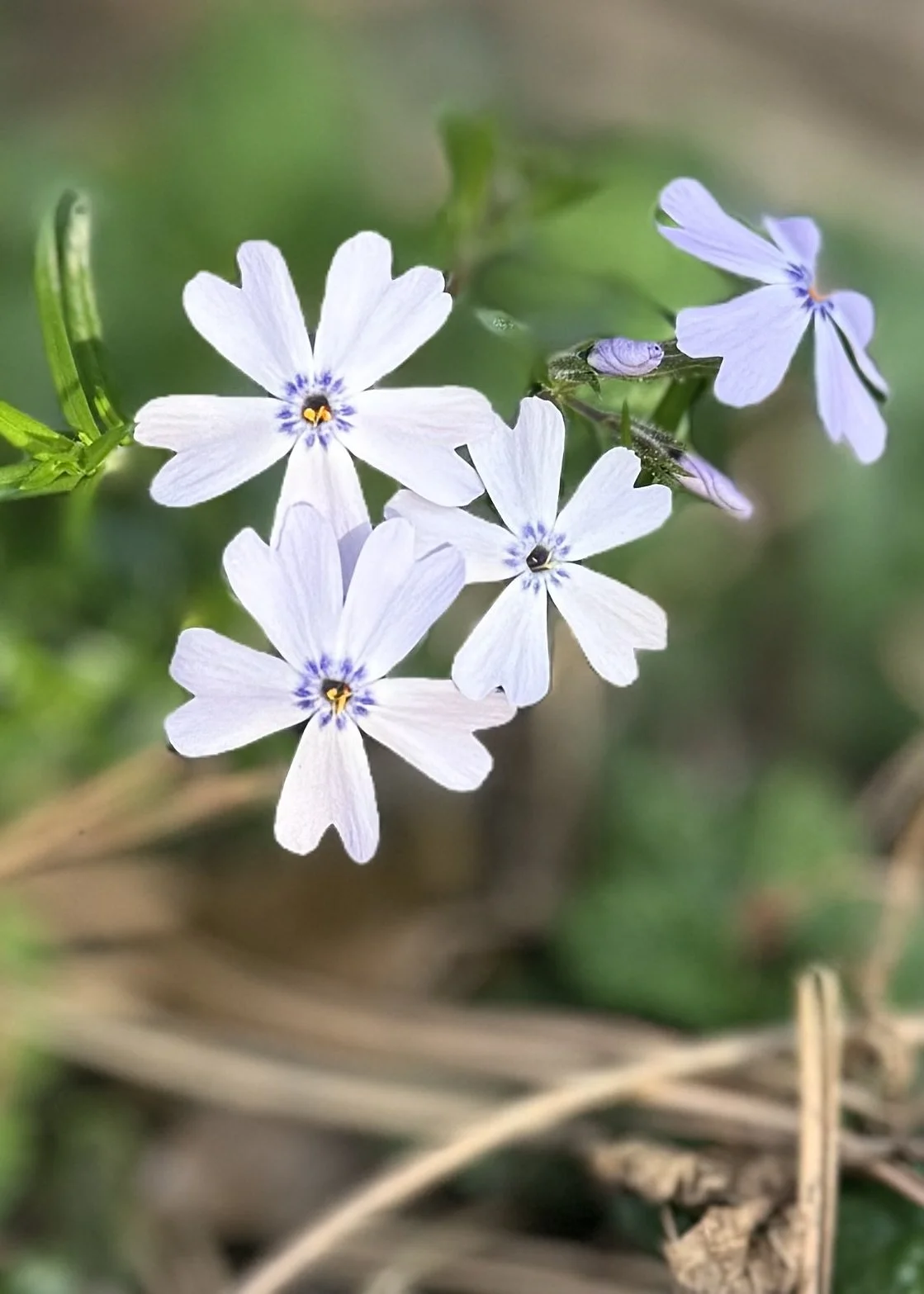
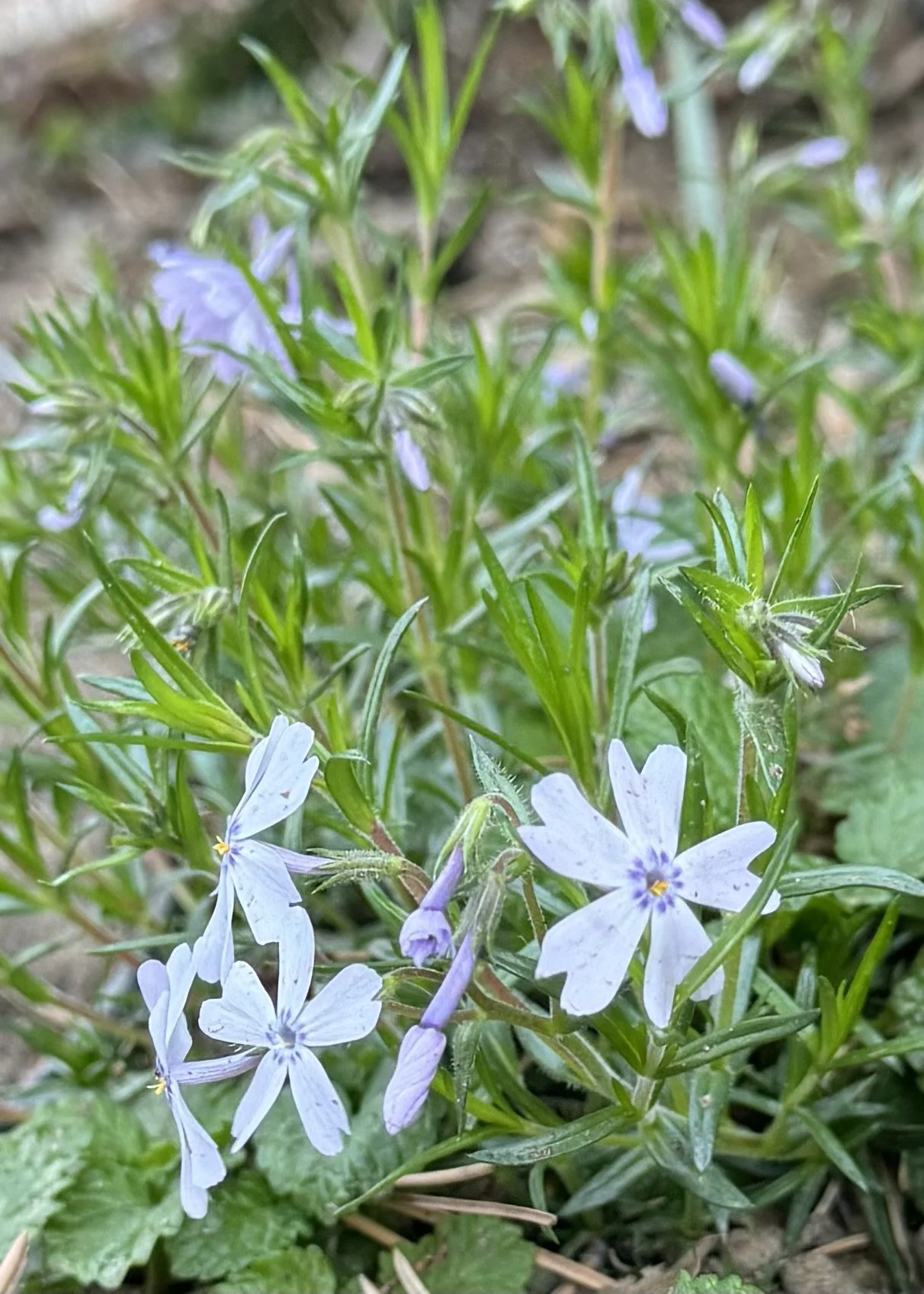
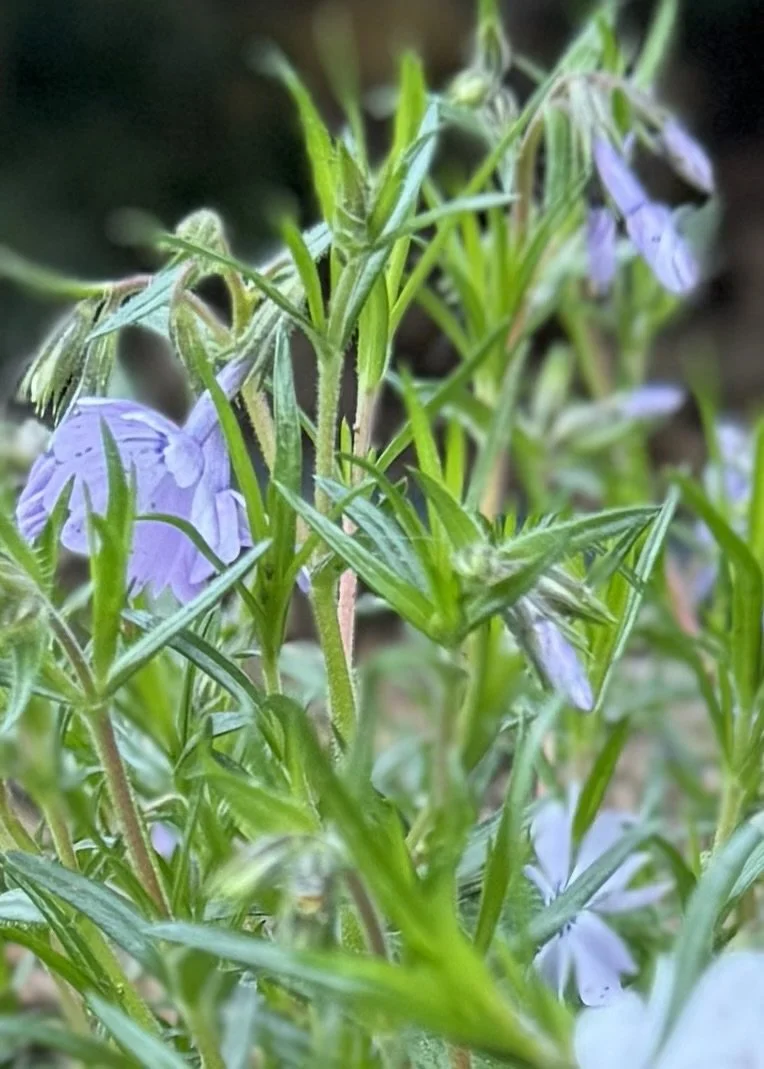
Botanical Name: Phlox subulata
Cultivar: 'Emerald Blue'
Common Name: Creeping Phlox
Native: Cultivar
Sun: Full Sun
Water: Moderate
Bloom Time: Spring
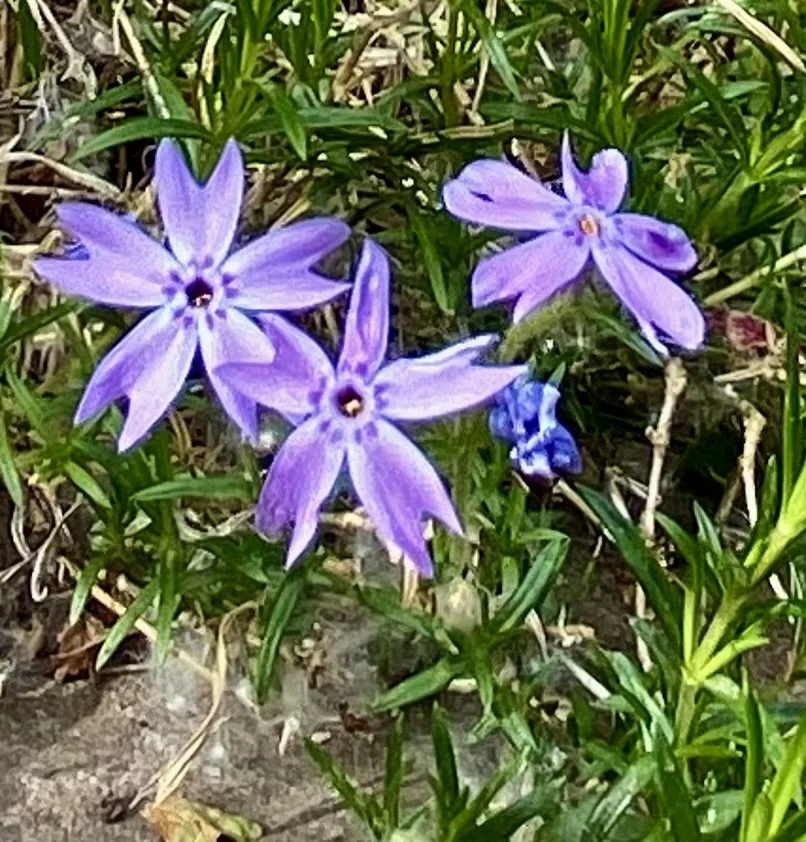
Bloom Color: Lavender-blue carpet
Pollinators: Bees; Butterflies; Moths
Deer Resistant: Not recorded
Mature Size: W 18"-24" x H 4"-6"
Soil: Well-drained; lean, gritty soil
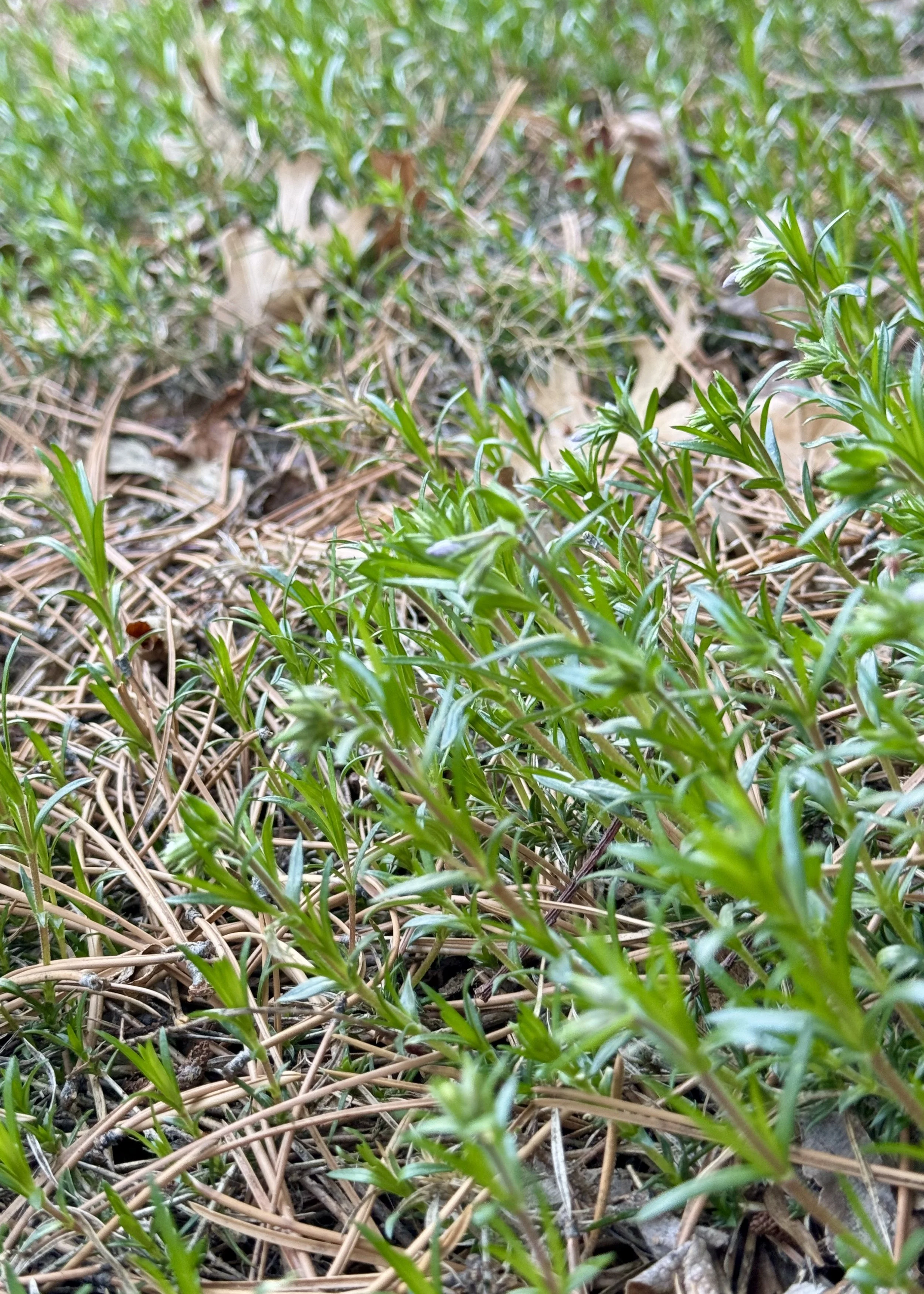
Plant Type: Evergreen perennial groundcover
USDA Zones: 3 to 9
Spread Habit: Mat-forming
Available As: Live plant
Native Region: Eastern & Central US (Appalachians; outside western regions)
Growing Notes
Full sun with lean, gritty, well-drained soil, and sharp drainage right at the crown in particular. It rots where water sits around the base, so a slope, a wall top, or a gravelly bed suits it far better than flat clay. Space at least 18 inches apart, but give it 2’ - 3’ for maximum spread. Note that deer do browse it, despite its low profile.
Water: Moderate
Sun: Full Sun
Soil: Well-drained; lean, gritty soil, needs sharp drainage at the crown
Mature size: W 18"-24" x H 4"-6"
Maintenance
Shear the whole mat back by about a third immediately after flowering. This is worth doing every year: it keeps the mat tight and prevents the bare, woody center that makes older plants look moth-eaten. Do not fertilize. Lift and replant rooted sections in spring if the middle has already gone bare.