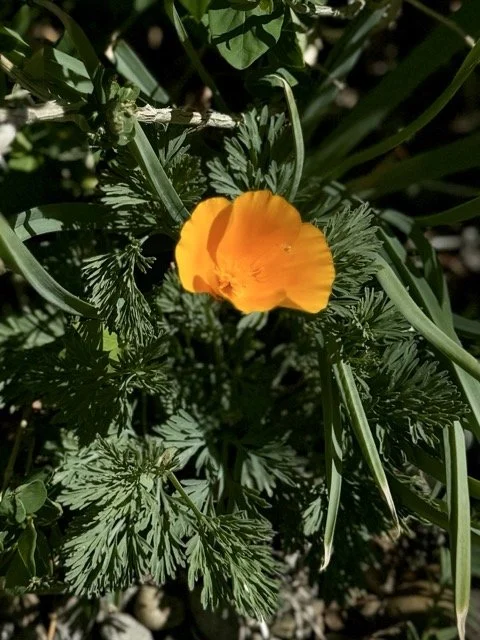
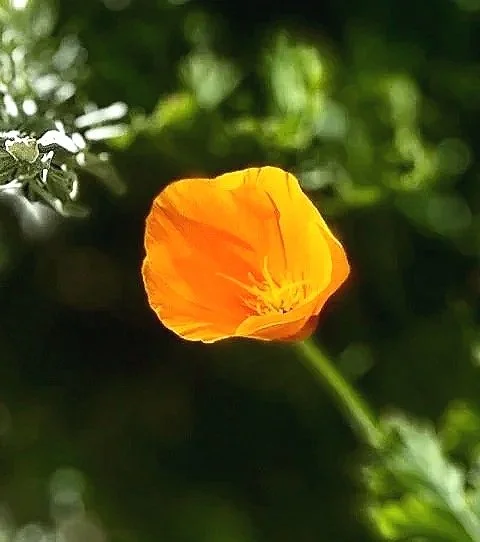
Plant Characteristics
Botanical Name: Calendula officinalis
Common Name: Calendula (Pot Marigold)
Native: Non-native
Sun: Full Sun
Water: Moderate
Bloom Time: Spring through fall
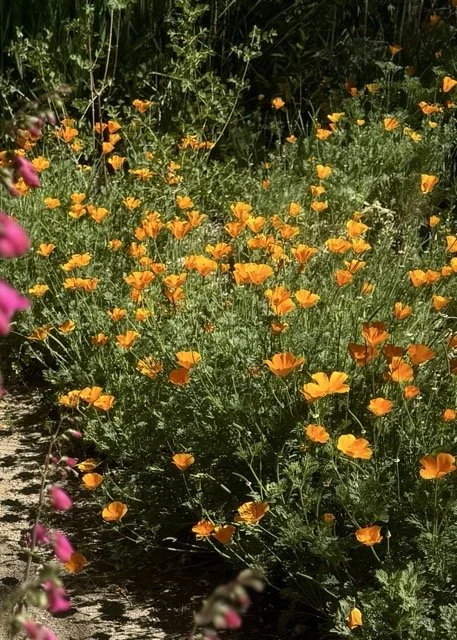
Bloom Color: Orange and yellow
Pollinators: Bees; Butterflies
Deer Resistant: Yes
Mature Size: W 12" x H 12"-24"
Soil: Well-drained; average garden soil
Plant Type: Annual
USDA Zones: 2 to 11
Spread Habit: Self-sows
Available As: Live plant
Native Region: Not native to North America; origin Southern Europe; garden origin
Host Plant (Elsewhere in North America): Virginian tiger moth
Growing Notes
Full sun and average garden soil with regular water. Plant out after the last frost. Space about 12 inches apart. It sulks in the worst of a Reno July and then comes roaring back as the nights cool in September, so do not judge it by August.
• Water: Moderate
• Sun: Full Sun
• Soil: Well-drained; average garden soil
• Mature size: W 12" x H 12"-24"
Maintenance
Deadhead relentlessly; this is the one plant here where the maintenance and the performance are the same thing, because it stops flowering once it sets seed. Cut it back by a third if it gets leggy midsummer and it will refresh. It self-sows moderately, and the volunteers are welcome in most gardens.