Plant Characteristics
Botanical Name: Eschscholzia californica
Common Name: California Poppy
Native: Native
Sun: Full Sun
Water: Low
Bloom Time: Spring to summer
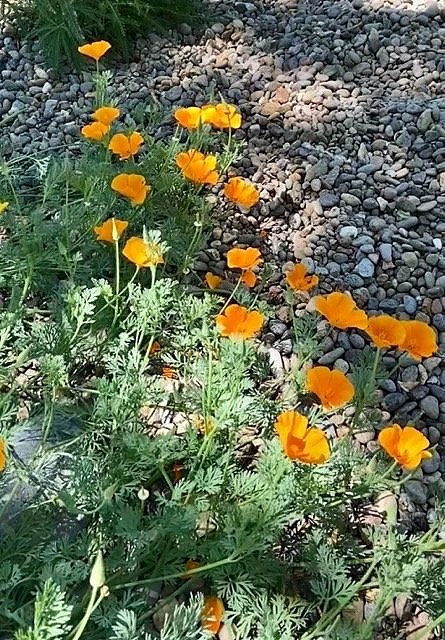
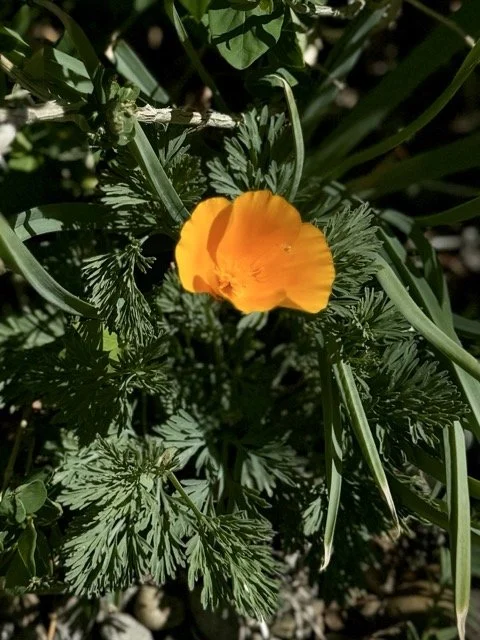
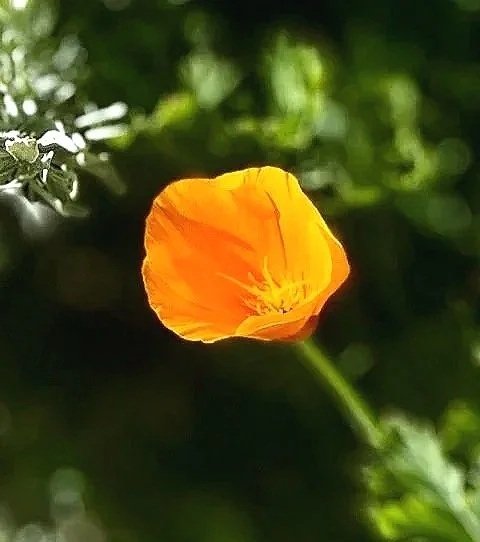
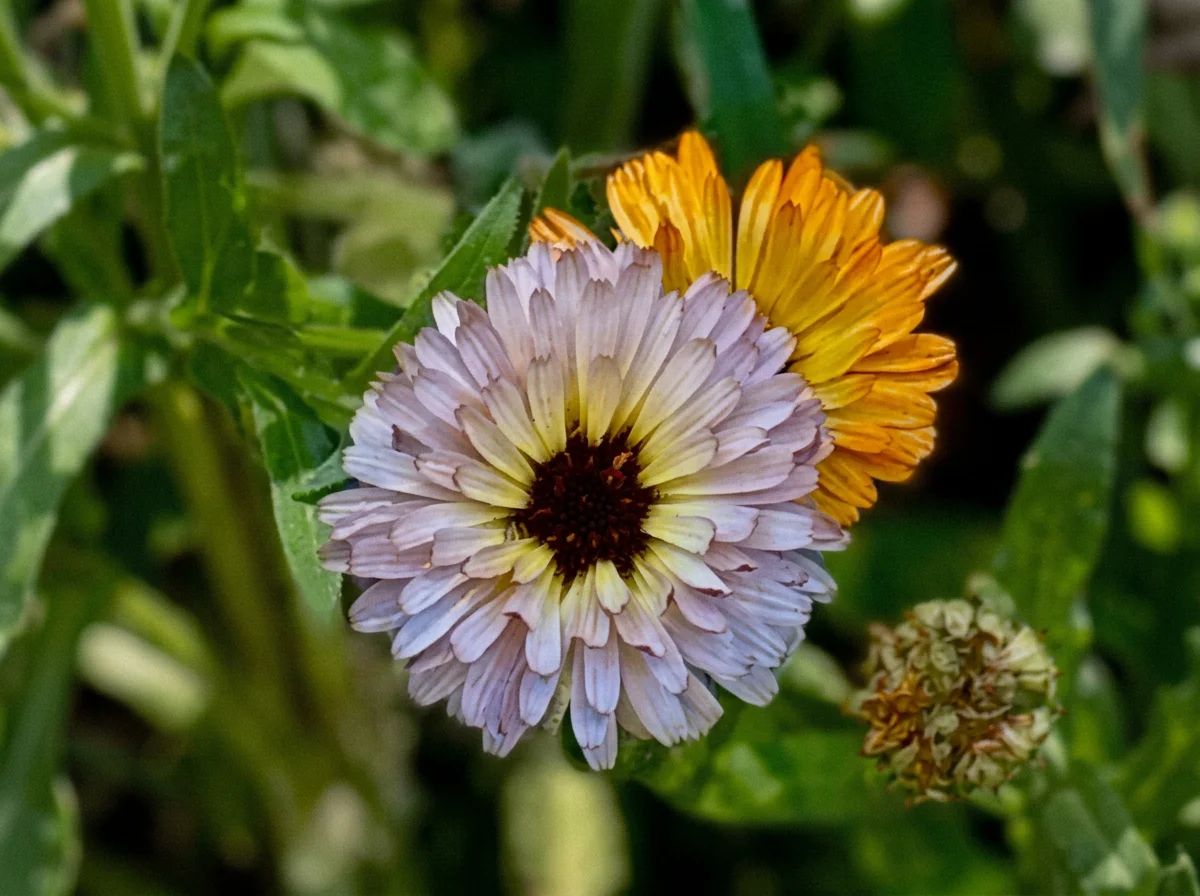
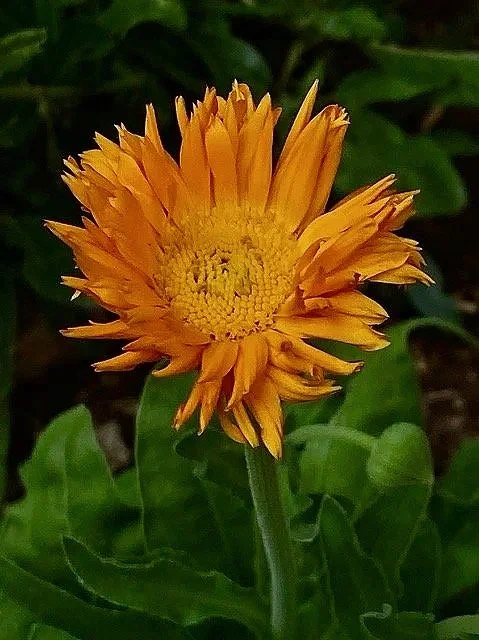
Bloom Color: Orange
Pollinators: Bees
Deer Resistant: Yes
Mature Size: W 12" x H 12"-18"
Soil: Sharply drained; poor, sandy soil, resents rich ground
Plant Type: Annual to short-lived perennial
USDA Zones: 6 to 10
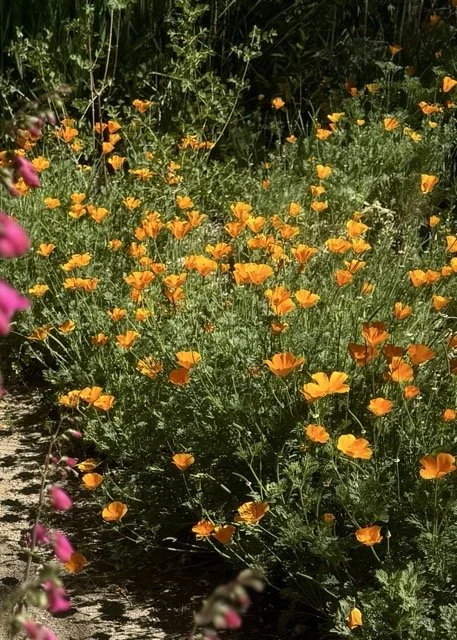
Spread Habit: Self-sows freely
Available As: Live plant
Native Region: California Floristic Province (Mojave & Great Basin edges)
Host Plant (Elsewhere in North America): Mormon metalmark, dotted blue, Plebejus acmon, Plebejus neurona
Growing Notes
Full sun and sharply drained, poor, sandy soil. It actively resents rich ground, where it makes leaves instead of flowers. Direct-sow rather than transplanting, since the taproot makes it a poor mover. In Northern Nevada a fall sowing gives the strongest spring display, with the seed getting winter moisture and cold.
• Water: Low
• Sun: Full Sun
• Soil: Sharply drained; poor, sandy soil, resents rich ground
• Mature size: W 12" x H 12"-18"
Maintenance
Let it self-sow, as a poppy planting does; a stand deadheaded to tidiness will vanish in two seasons. Pull the plants when they brown out in midsummer, after they've shed their seed. Do not fertilize or water once established. It will move around the garden from year to year, which is part of its charm.