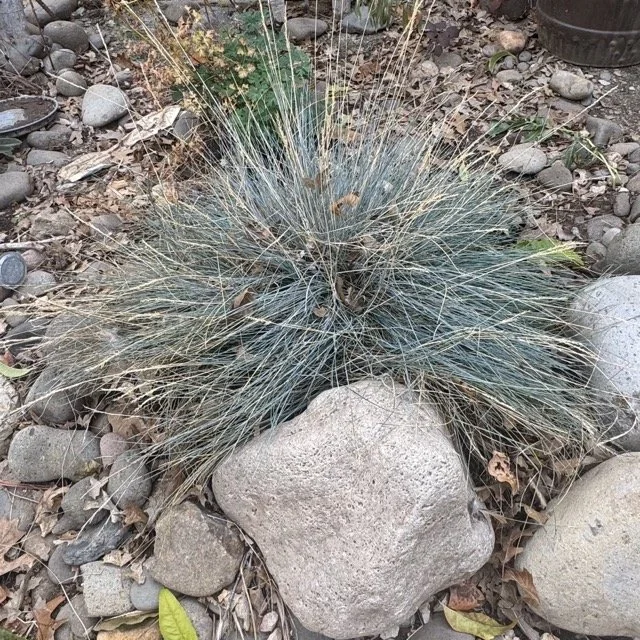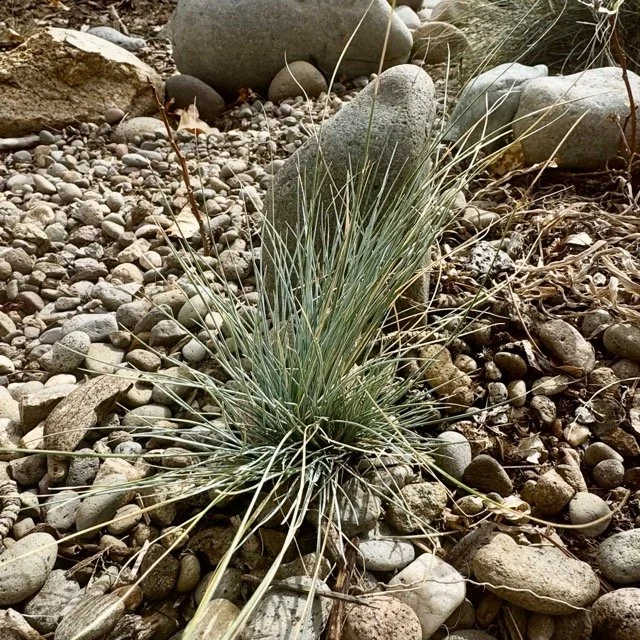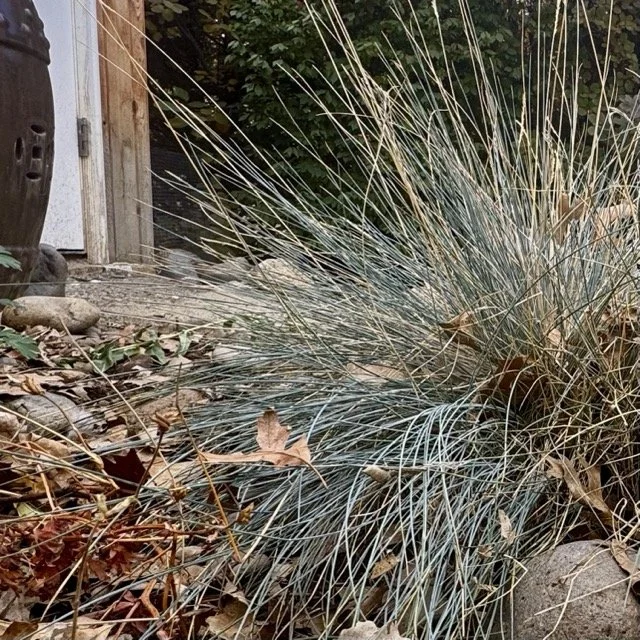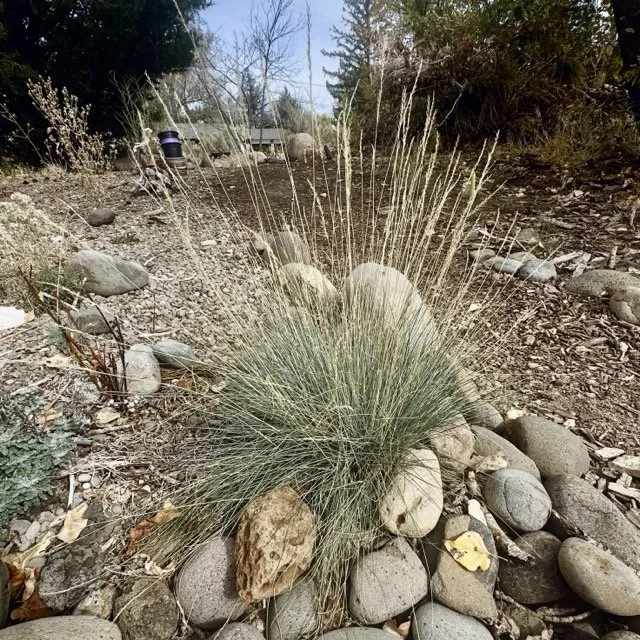
Plant Characteristics
Botanical Name: Bouteloua gracilis
Common Name: Blue Grama
Native: Native
Sun: Full Sun
Water: Low
Bloom Time: Summer
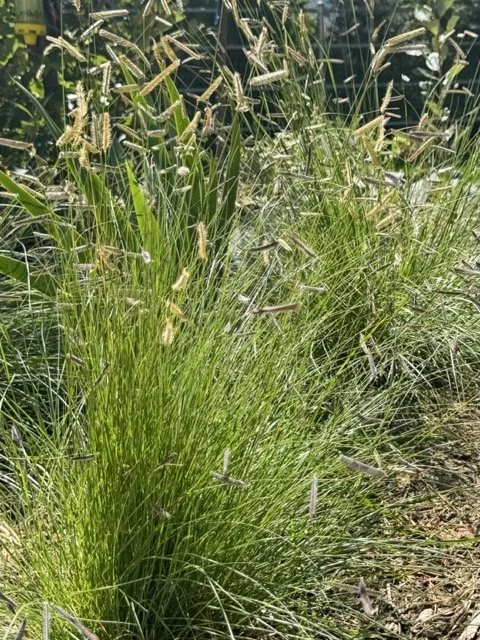
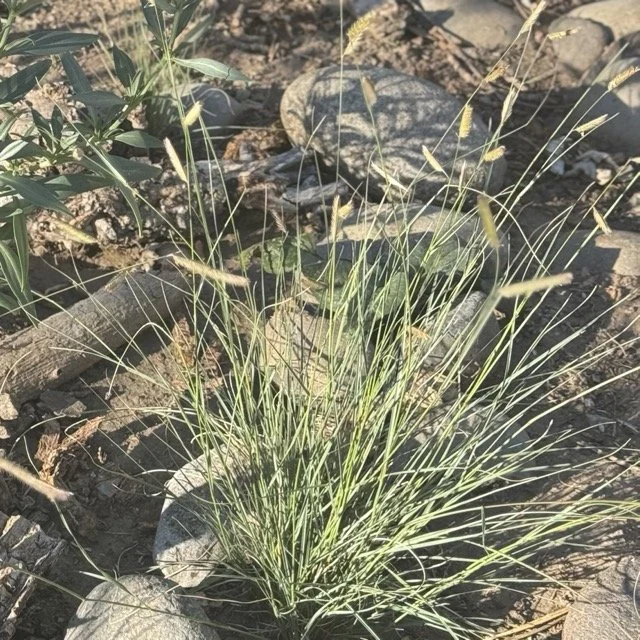
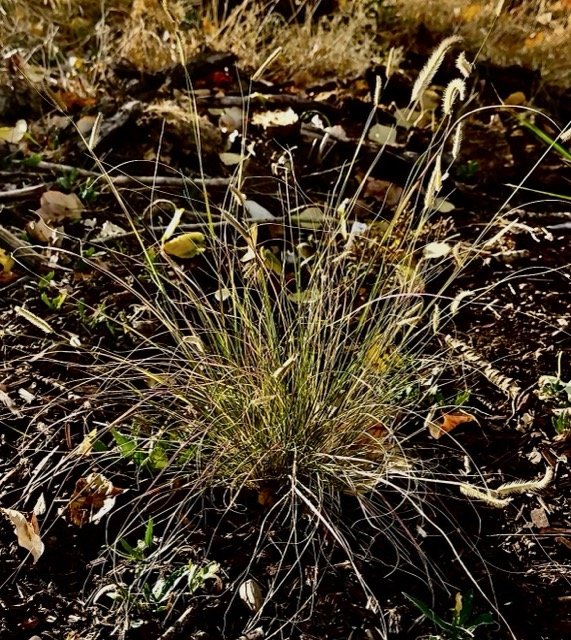
Bloom Color: Horizontal eyelash-shaped seed heads
Pollinators: Not recorded
Deer Resistant: Not recorded
Mature Size: W 12"-18" x H 12"-18"
Soil: Well-drained; tolerates lean, alkaline soil
Plant Type: Perennial bunchgrass
USDA Zones: 3 to 10
Spread Habit: Clumping bunchgrass
Available As: Live plant
Native Region: Western Great Plains; Northwestern Great Plains; Colorado Plateau; Chihuahuan Desert
Host Plant (Elsewhere in North America): simius roadside skipper, Mead's wood nymph, Hemileuca oliviae, Leonard's skipper, Ottoe skipper, Riding's satyr, garita skipperling, rhesus skipper
Growing Notes
Full sun and well-drained ground; it thrives in lean, alkaline soil. Space about 12 inches apart, or plant it densely as a low no-mow alternative to lawn, which is one of its best uses in the Great Basin climate. It is warm-season, so it greens up later than the cool-season natives and holds color through the heat when they have gone dormant.
Water: Low
Sun: Full Sun
Soil: Well-drained; tolerates lean, alkaline soil
Mature size: W 12"-18" x H 12"-18"
Maintenance
Cut back or comb out the old growth in early spring, before new growth starts, and leave it standing all winter for seed heads and insect cover. It needs no fertilizer and no division. If you use it as a lawn substitute, mow once in early spring rather than repeatedly throughout the season.