Plant Characteristics
Botanical Name: Rudbeckia hirta
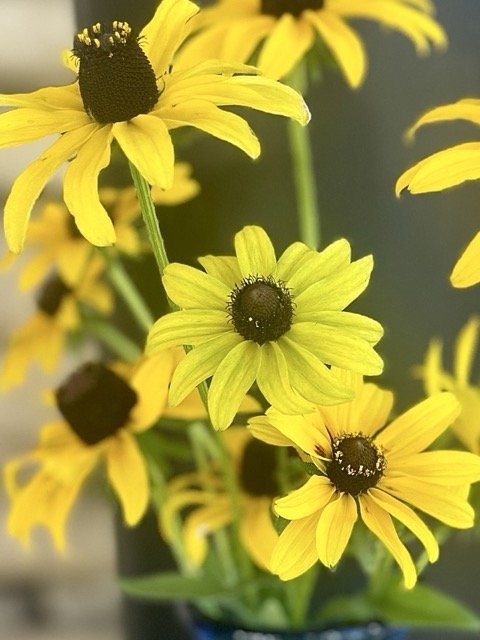
Common Name: Black-eyed Susan
Native: Native
Sun: Full Sun
Water: Moderate
Bloom Time: Summer to fall
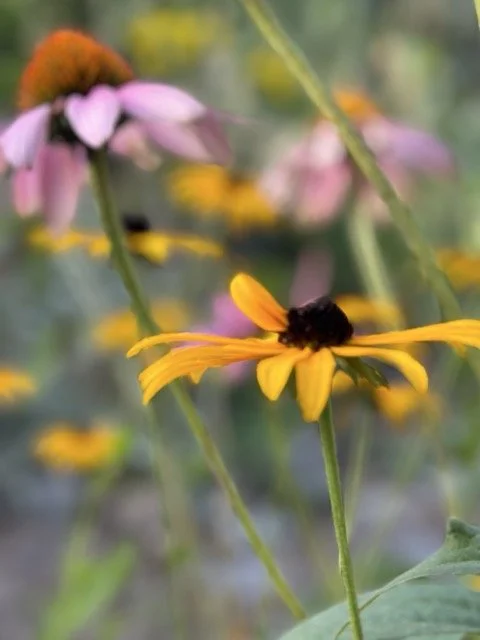
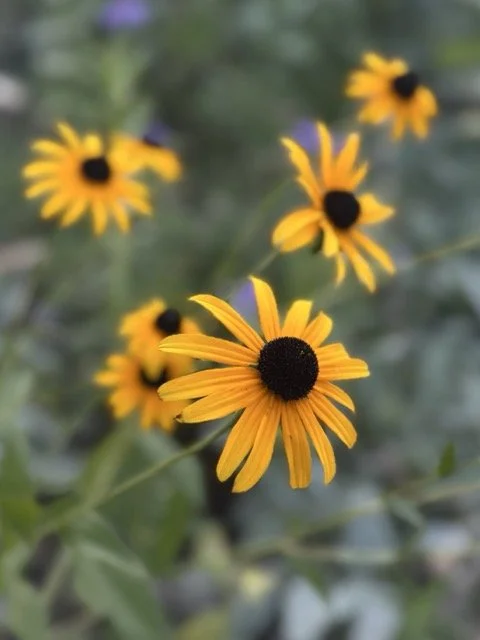
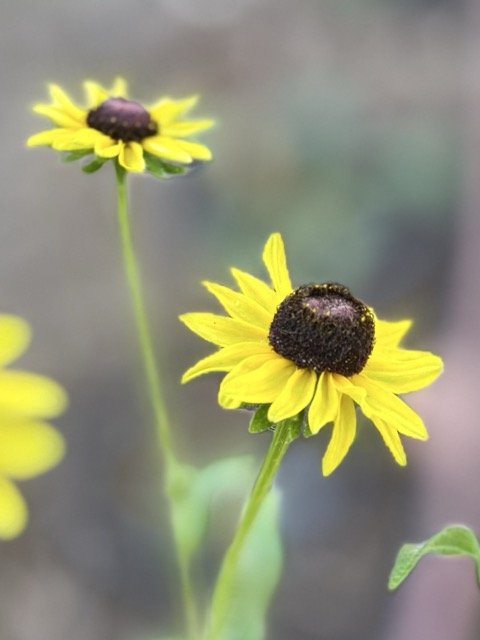
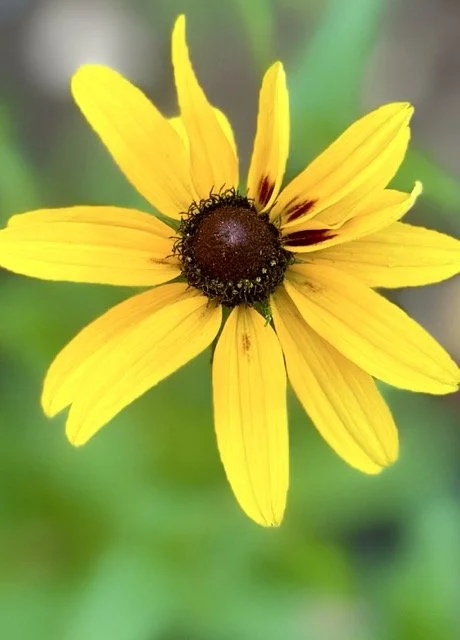
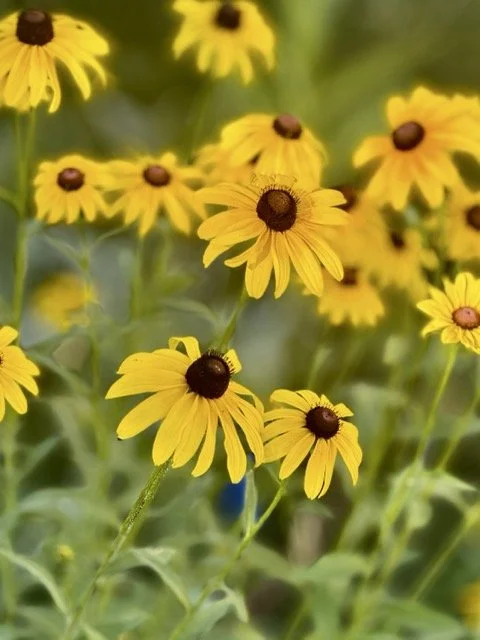
Bloom Color: Golden yellow with dark center
Pollinators: Bees; Butterflies
Deer Resistant: Yes
Mature Size: W 1'-2' x H 1'-3'
Soil: Well-drained; average garden soil
Plant Type: Annual to short-lived perennial
USDA Zones: 3 to 9
Spread Habit: Self-sows
Available As: Live plant
Native Region: Eastern & Central N.A. (outside western regions)
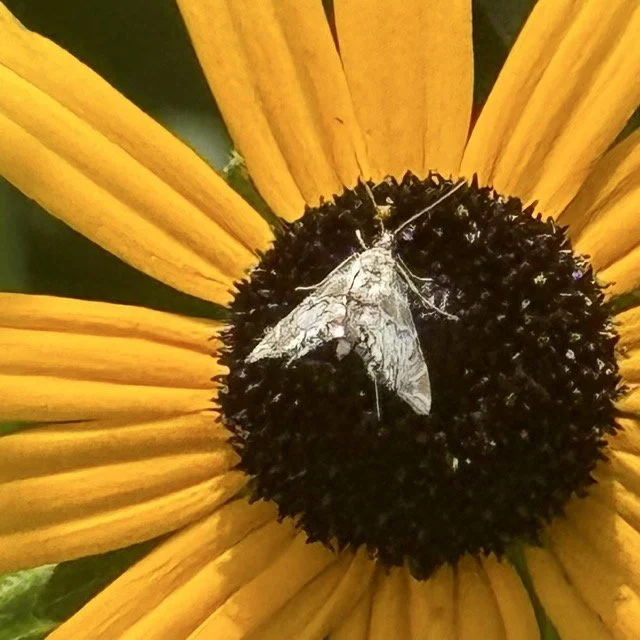
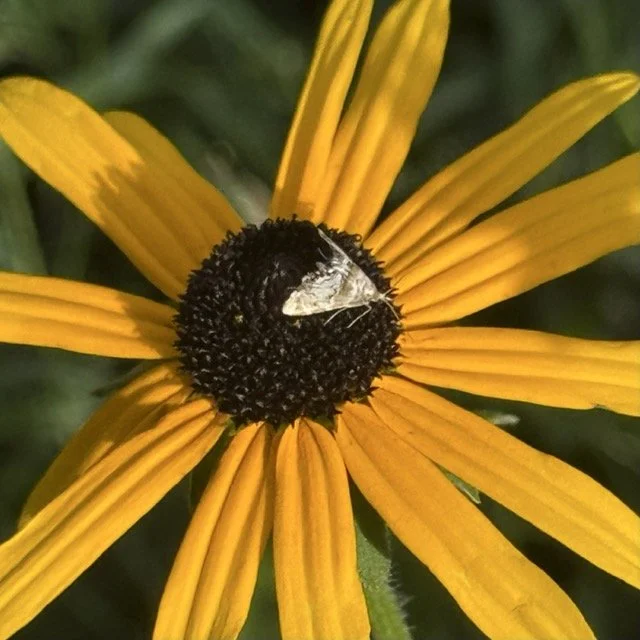
Host Plant (Elsewhere in North America): gorgone checkerspot, silvery checkerspot, Synchlora aerata
Growing Notes
Full sun and average, well-drained garden soil with moderate water. Space about 15 inches apart. It is easy and fast and flowers in its first year from an early start, which makes it a good confidence-builder for a customer new to natives.
• Water: Moderate
• Sun: Full Sun
• Soil: Well-drained; average garden soil
• Mature size: W 1'-2' x H 1'-3'
Maintenance
Leave the seed heads standing through winter rather than cutting them; goldfinches eat the seeds through the cold months, and the dark cones hold their shape under snow. Cut back in late spring, keeping about a third of the stems for overwintering insects. Deadheading during the season extends the bloom but costs you the seed, so choose one. It spreads slowly by rhizome into a wider clump rather than running, so divide every three or four years in spring if the center starts to open up.