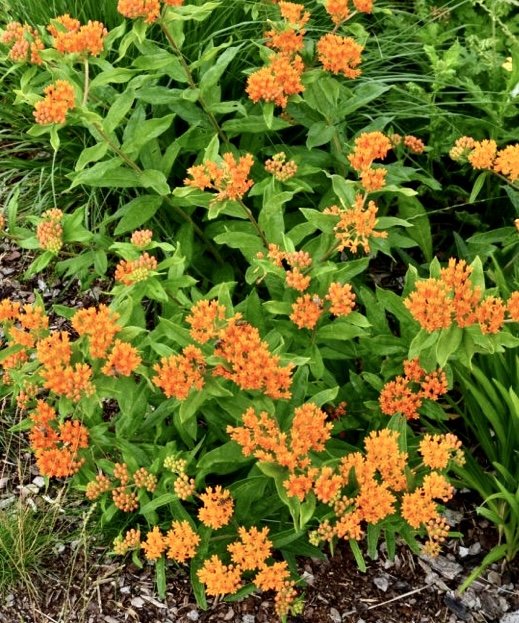
Butterfly Milkweed (Asclepias tuberosa)

from $8.99

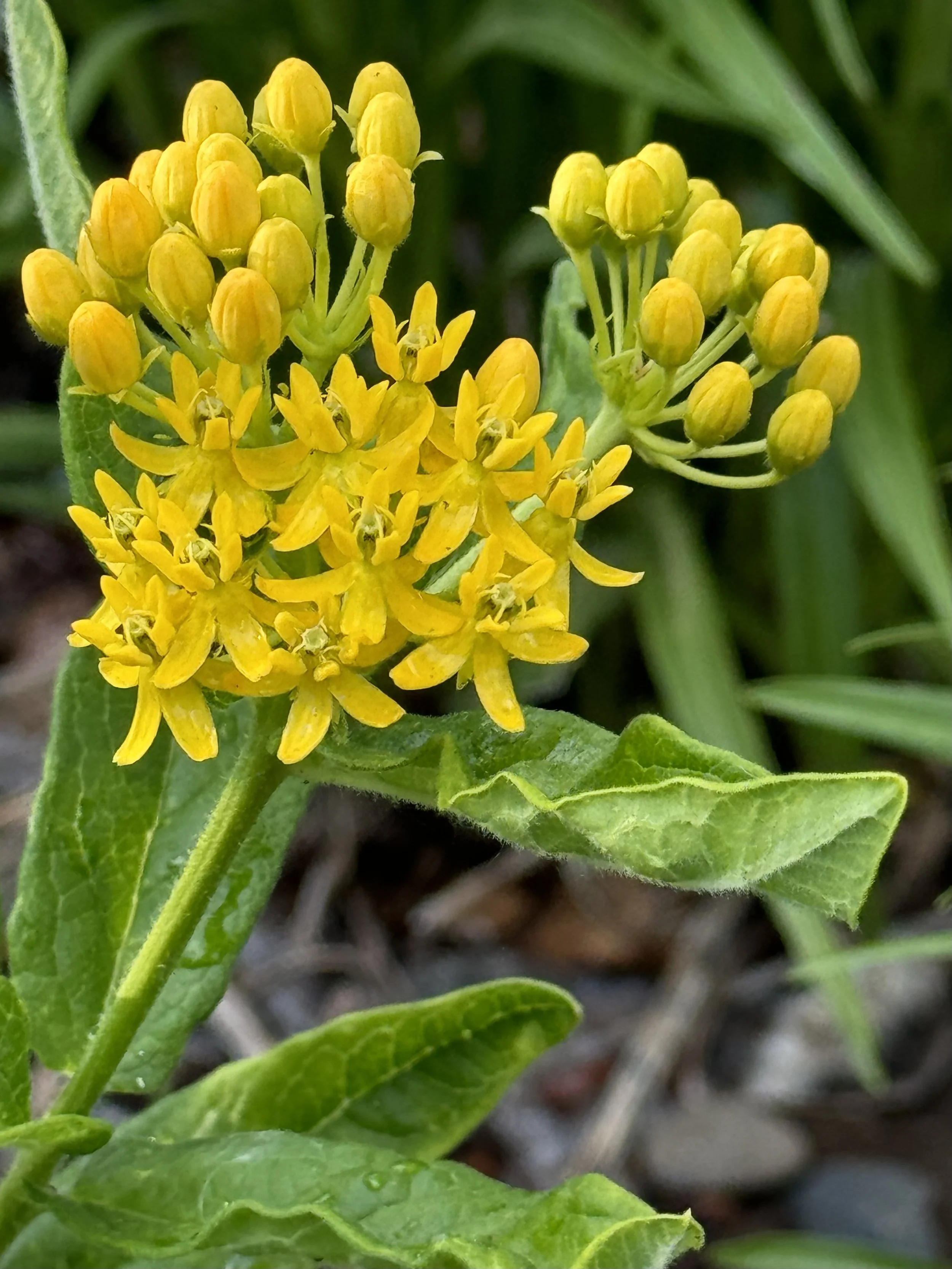
Botanical name: Asclepias tuberosa‍ • Bloom season: Summer • Bloom color: Vivid orange Pollinator value: Monarch host; high-visibility butterfly nectar plant •. Host plant: Monarch, Queen, Gray hairstreak

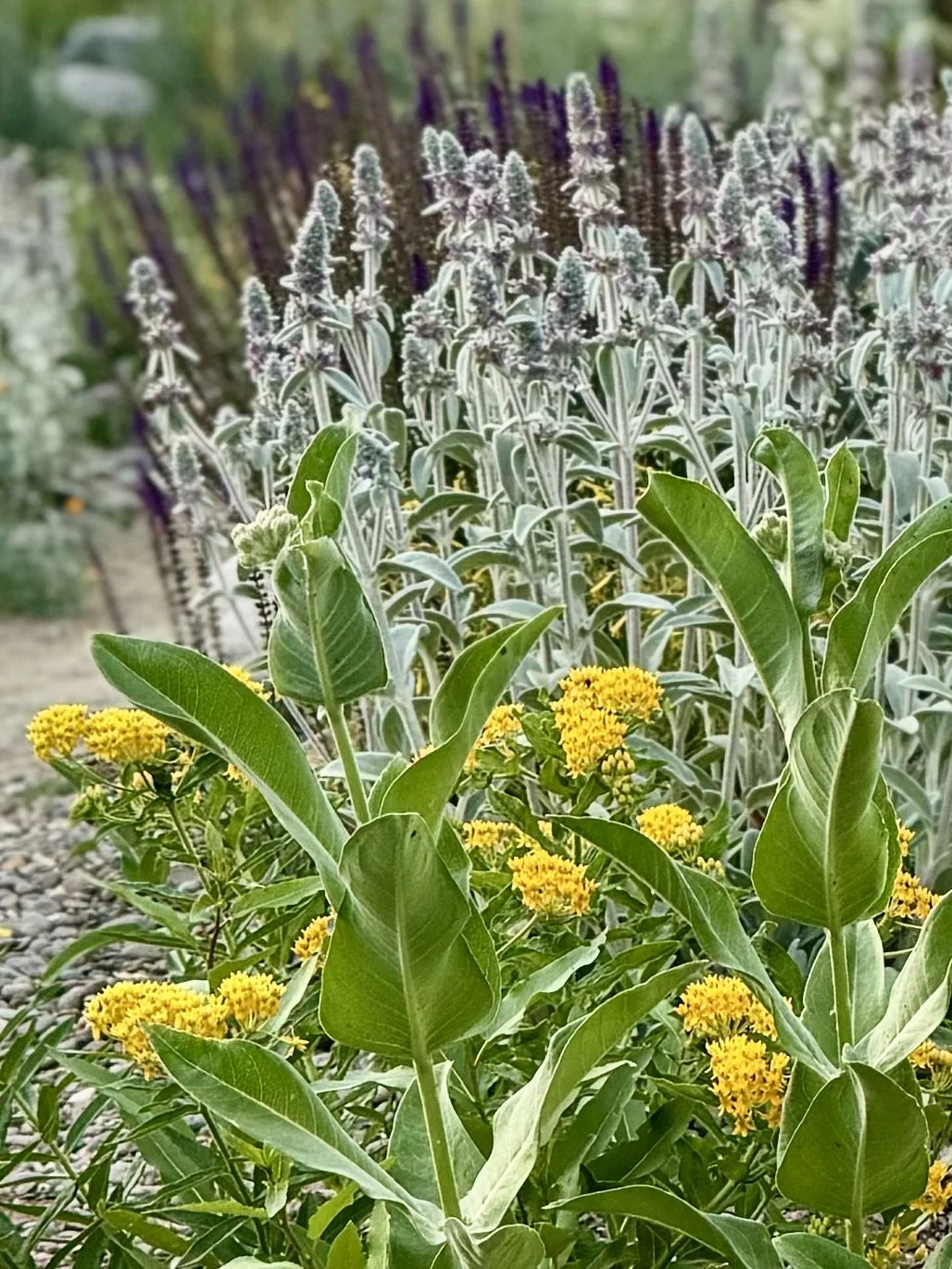
An amazing native pollinator attractor and a striking, bright addition to the landscape. Its spread can be easily managed by removing seedpods before they open. Milkweed grows in Full or Partial Sun and is drought-tolerant after the first year. Monarch populations are dangerously low. Please reestablish milkweed clumps all along migration routes from Mexico/California up to the Northern US and Canada.

This is a western, intermountain native forb. In this US region, orange sparks are common and easy to grow from seed. It is a very long bloomer, starting in May and setting seed in mid-July.

Botanical name: Asclepias tuberosa‍ • Bloom season: Summer • Bloom color: Vivid orange Pollinator value: Monarch host; high-visibility butterfly nectar plant •. Host plant: Monarch, Queen, Gray hairstreak

An amazing native pollinator attractor and a striking, bright addition to the landscape. Its spread can be easily managed by removing seedpods before they open. Milkweed grows in Full or Partial Sun and is drought-tolerant after the first year. Monarch populations are dangerously low. Please reestablish milkweed clumps all along migration routes from Mexico/California up to the Northern US and Canada.

This is a western, intermountain native forb. In this US region, orange sparks are common and easy to grow from seed. It is a very long bloomer, starting in May and setting seed in mid-July.

Size:

Plant Characteristics

Botanical Name: Asclepias tuberosa

Common Name: Butterfly Milkweed

Native: Native

Native Region: Eastern & Central N.A.; Arizona-New Mexico Mountains

Sun: Full Sun

Water: Low

Bloom Time: Summer

Bloom Color: Vivid orange

Pollinators: Bees; Butterflies

Host Plant: Monarch, Queen, Gray hairstreak

Deer Resistant: Yes

Mature Size: W 1'-1.5' x H 1'-2.5'

Soil: Sharply drained; lean, sandy soil, deep taproot dislikes being moved

Pollinator Value: Monarch host; high-visibility butterfly nectar plant

Plant Type: Herbaceous perennial

USDA Zones: 3 to 9

Spread Habit: Clumping; deep taproot

Available As: Live plant

Grow Notes

Full sun and sharply drained, lean, sandy ground. The deep taproot is the whole story with this plant: it makes it exceptionally drought-tough once established and it means the plant strongly dislikes being moved, so choose the spot and leave it there. Space about 15 inches apart. Do not amend the hole.

  • Water: Low

  • Sun: Full Sun

  • Soil: Sharply drained; lean, sandy soil, deep taproot dislikes being moved

  • Mature size: W 1'-1.5' x H 1'-2.5'

Maintenance

Leave stems standing through winter and cut back in late spring, keeping about a third. It is the last perennial in the garden to emerge, often not showing until late May, so mark the spot to avoid digging it up while it looks like bare ground. Never use systemic insecticide on it. Do not divide; best grown from seed.