

Production
Plant Lists Seed Packets Shipping | Handling On Site Care Services
Plant Lists
Plant list updated November 14, 2026
Annuals | Biennials
Botanical Name
Common Name
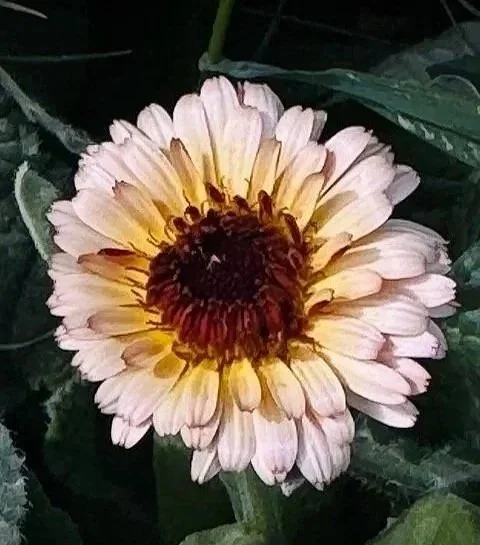
Borage Calendula California Poppy Evening Primrose Brown-eyed Susan Sunflower Borago officinalis Calendula officinalis Eschscholzia Cali... Oenothera elata Rudbeckia hirta Helianthus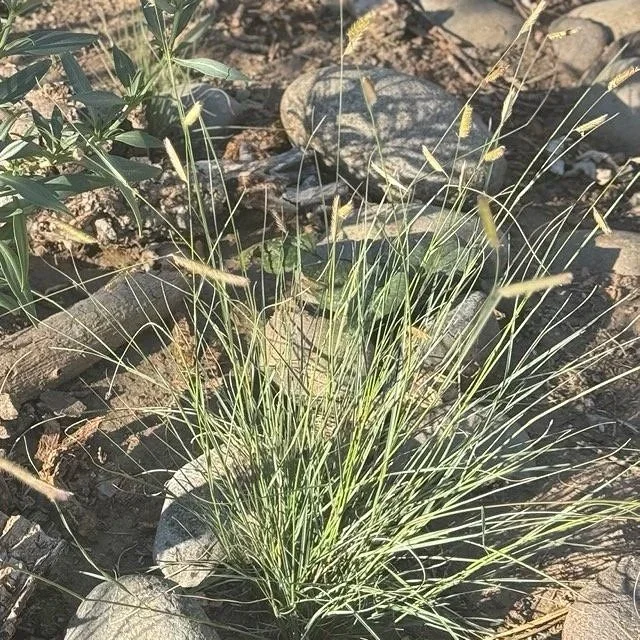
Native Grasses
Botanical Name
Common Name
Bouteloua gracilis Eriocoma hymenoides Festuca idahoensis Leymus cinereus Poa SecundaBlue Grama Indian Ricegrass Blue Fescue Great Basin Wildrye Sandberg Bluegrass 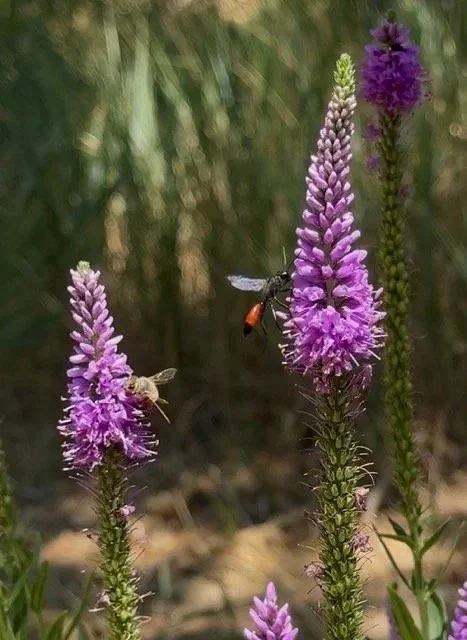
Adaptives (include all herbs)
Botanical Name
Common Name
Ajuga reptans Agastache aurantiaca Agastache rugosa Agastache pallida rugosa Agastache rupestris Asclepias tuberosa Asclepias tuberosa Echinacea purpurea Lamium maculatum Lamium maculatum Leucanthemum vulgare Nepeta Racemosa Penstemon strictus Solidago rugosa Scabiosa columbaria Stachys byzantina Symphyotrichum novi-belgii VeronicaCarpet Bugle 'Chocolate Chip' 'Fragrant Delight' | 'Tango' Giant (Anise) Hyssop 'Golden Jubilee' Hummingbird Mint 'Globetrotter' ‘Apache Sunset' Milkweed 'Hello Yellow' Butterfly (Weed) Milkweed Coneflower 'White Swan' | 'Magnus' Spotted Dead Nettle 'White Nancy' | 'Purple Dragon' Oxeye (Marguerite) Daisy Catmint 'Walker's Low' | 'Whisper Pink' Rocky Mountain Beardtongue Goldenrod 'Fireworks' Pincushion Flower 'Butterfly Blue' Lamb's Ear NY Aster or Michaelmas Daisy Speedwell 'Purplecious' Shrub | Sub Shrubs
Botanical Name
Common Name
Amorpha fruticosa*** Artemisia tridentata Ericameria nauseosa Ribes aureum Rosa woodsii Caryopteris clandonensis*** Caryopteris clandonensis*** Indigo Bush Big Sagebrush Rubber Rabbitbrush Golden Currant Western Wood's Rose Spirea, Blue Mist Shrub ‘Dark Knight’ ***adapted to Intermountain West
Plants are identified most accurately with the corresponding Latin or Botanical reference alongside their common name. Multiple varieties are separated by a “|” in the sections below. Single quotes are nativars, chosen for the closest resemblance to their mother plant.
More forbs than ever have been winter sowed and earlier this year. This 2027 list started Sept-Dec 2026.
Intermountain West
Native Perennials
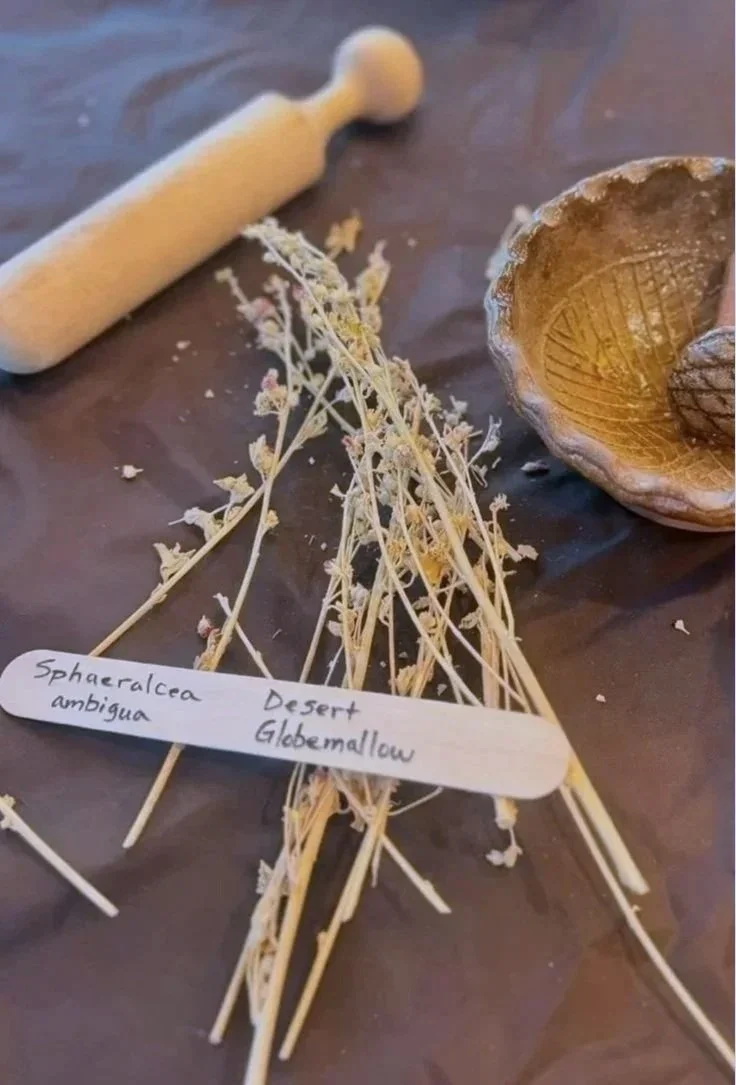
Globemallows: Desert | Gooseberry, Penstemons: eatonii | rydbergii, Prince’s Plume, Salvia dorii, Sulfur Buckwheat, Sticky Geranium, Achillea millefolium ‘Summer Pastels’).
Native grasses
Creeping Great Basin Wildrye
North American Natives
Hardy/Adaptive Perennials
Scabiosa ‘Alba’
Herbs
Botanical Name
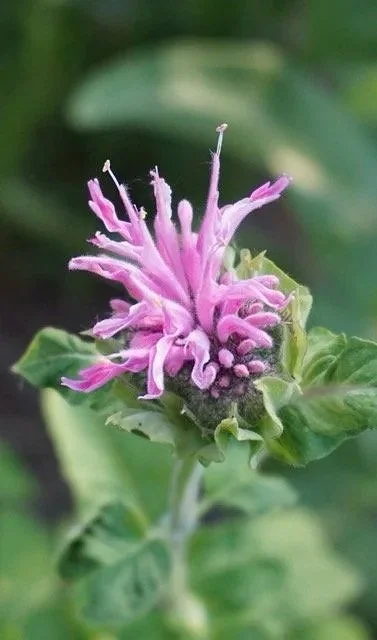
Allium schoenoprasum Allium tuberosum Chamaemelum nobile Hyssop Officinalis Marrubium vulgare Melissa Officinalis Mentha arvensis Mentha spicata Mentha piperita Monarda fistulosa Monarda didyma Nepeta Racemosa Origanum vulgare hirtum Prunella vulgaris Rosmarinus officinalis L. Salvia officinalis Symphytum officinale Thymus x citriodorus Urtica dioica)Common Name
Chives Garlic Chives Roman Chamomile Hyssop White Horehound Lemon Balm Wild Mint Spearmint Peppermint | 'Chocolate' Wild Bergamot Bee balm 'Gardenview Scarlet' Catmint 'Walker's Low' Greek Oregano Selfheal Rosemary 'Arp' Sage Comfrey Lemon Thyme Stinging Nettle 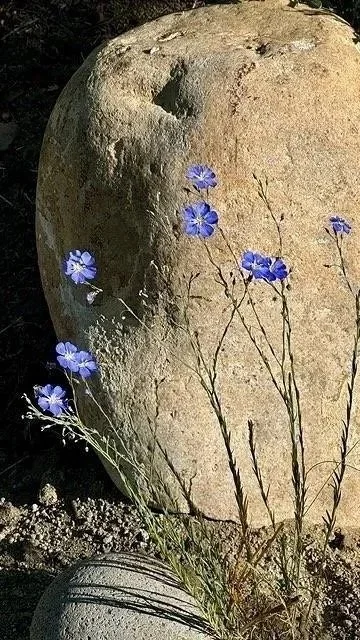
Native Forbs (Perennials)
Botanical Name
Common Name
Achillea millefolium Achillea millefolium Aquilegia formosa Asclepias speciosa Asclepias tuberosa Eriogonum umbellatum Eriophyllum lanthanum Gaillardia aristata Helianthus Maximiliana Linum Lewisii Oenothera speciosa Penstemon eatonii Penstemon palmeri Penstemon Rydbergii Penstemon pseudospectabilis Ratibida columnifera Sphaeralcea ambigua Sphaeralcea grossulariifolia Solidago canadensis Symphyotrichum chilense Yarrow 'Yarrow Cassis' | 'Summer Pastels' Western Columbine Showy Milkweed Milkweed 'Hello Yellow' Sulfur Buckwheat Woolly Sunflower Indian Blanket Flower Maximilian Sunflower Blue Flax Showy Evening Primrose Firecracker (Eaton's) Penstemon Palmer's Penstemon Meadow (Rydberg's) Penstemon Desert Penstemon Mexican Hat Globemallow (Apricot) Gooseberry-leaf Globemallow Canadian Goldenrod Pacific or Western Aster Pollinator plot or habitat projects are bulk discounted…
15% discount when 5 or more Medium or Large plants are purchased.
Xerces (an invertebrate non-profit) is a wonderful resource to help plan your pollinator space, linked here. Alternatively, I'm Lorraine and I consult for a very reasonable fee and would be honored to install plants into your space. Email when ready to ask questions or to schedule a pollinator project. Email or DM to schedule delivery or pickup.
Seed Packets
Seed Harvest and Packaging
Seeds are harvested on site at their prescribed time, dried, separated and weighed
The smaller size contains at least 100 seeds per gram and the larger size tenfold
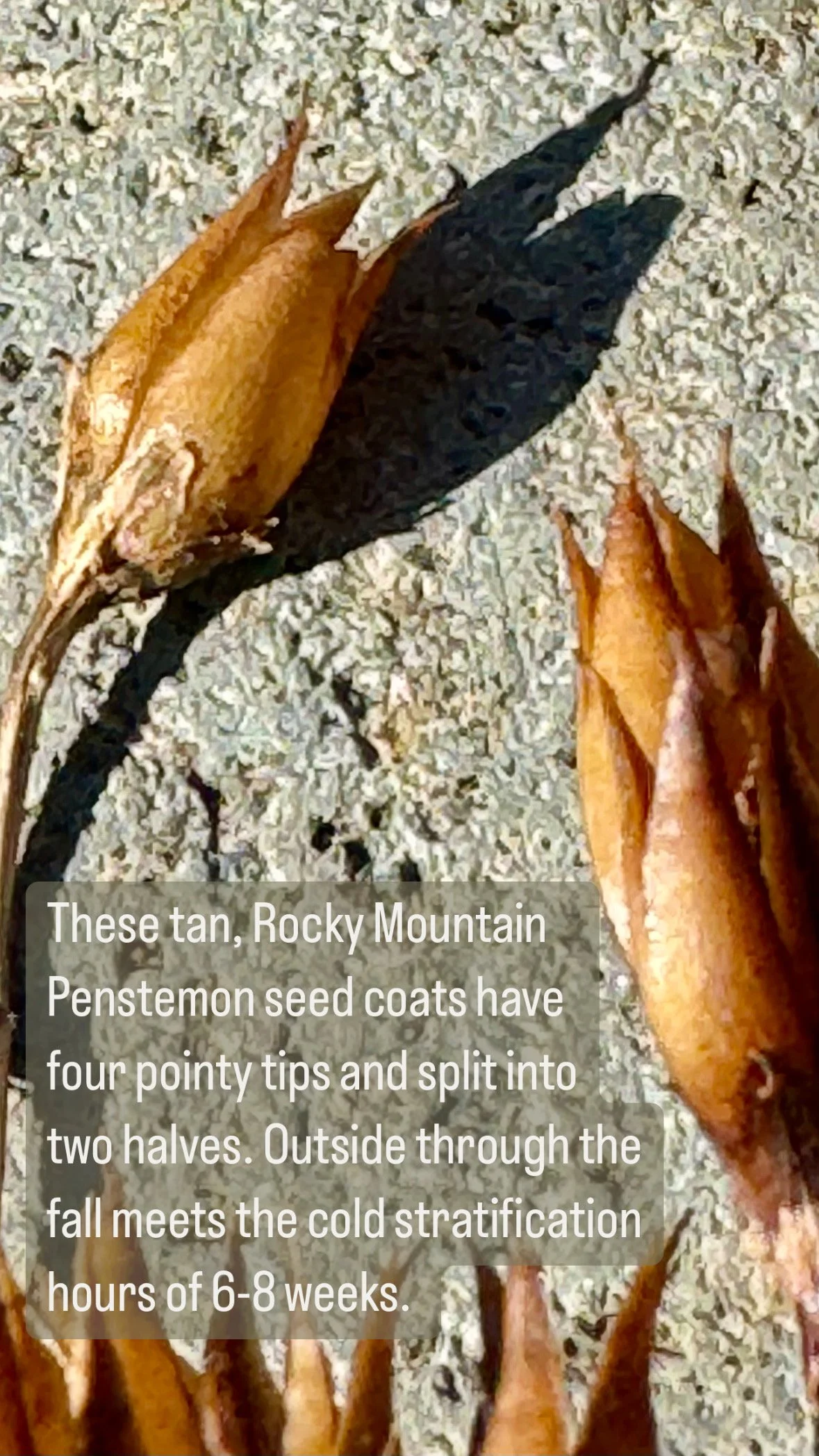
Stratification requirements have already been met and the additional scarification requirements are noted on the seed packet
Refer to Growing From Seeds and the Shop Care Instructions noted in the plant descriptions for important additional steps that greatly increase germination rates and decrease the wait time.
Services
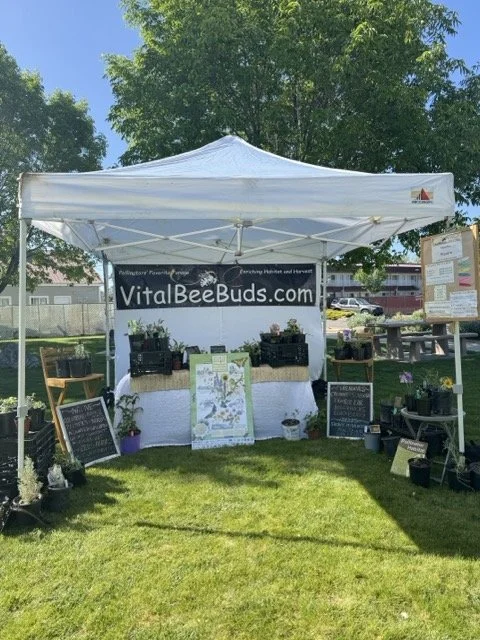
Outreach Pop-up Markets
Outreach Speaking Events
Habitat Design and Implementation
(See examples on the Project Page)
Custom Grow
(minimal-Reach Out to Reserve Space)
Shipping | Handling
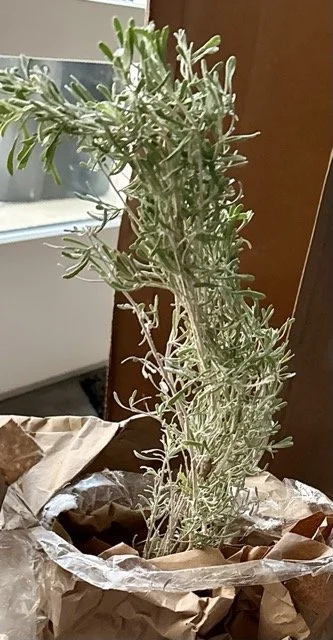
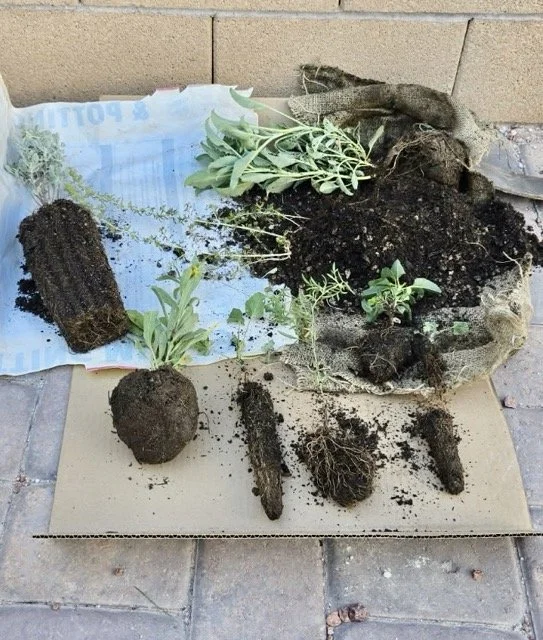
The Great Basin and the Sierra Mountains are so arid the humidity is recorded in single digits on a daily basis. Where the soil is sandy or rocky the nutrients are deeper underground. So most plants that survive this #1 most harsh US climate have very sensitive but dense, strong taproots or root systems in order to harvest the nutrients yet don’t need additional fertilizer beyond natural leaf fall. Because removing the pot can disturb the root system balance, Vitalbeebuds ships plants potless by removing the plant with care and expertise. As much soil (with microbes) is kept around the roots to maintain the balance. So more apt, plants are sent potless rather than bare-root as is the usual custom. An added bonus: the pots can be used again here which decreases the need to purchase plastic helps the business meet green pledge steps.
Plant Care Instructions are included with the strong recommendation that the space is prepped ahead of time: hole dug, watered and drained three times (See Care for drainage soil amendment ratio). The sooner planted the increased likelihood for the plant’s success.
Frequent customer testimonials share these plants launch quicker than mass produced nursery plants. I believe this is due to their being transitioned before shipping. Read on to onsite care.
Recycled packaging materials are upcycled to again lessen purchasing plastic.
Plants are buffered within the delivery box (also upcycled), kept moist with burlap or newspaper and encased in plastic wrap to minimize evaporation during transit.
Monday is delivery day so that the plants arrive before the weekend. This decreases the plants sitting in a transport warehouse
On Site Care
The Plant List can be referred to as quick reference for those in the know who do not need a picture. Please do jump over to the shop to see the photos that include the native pollinators visiting their favorite forage here in the Vitalbeebuds habitat. Last, the gift certificate photo shares a like-kind collage all observed within these six years in the joyful business of attracting more and more native invertebrates by increasing biodiversity.
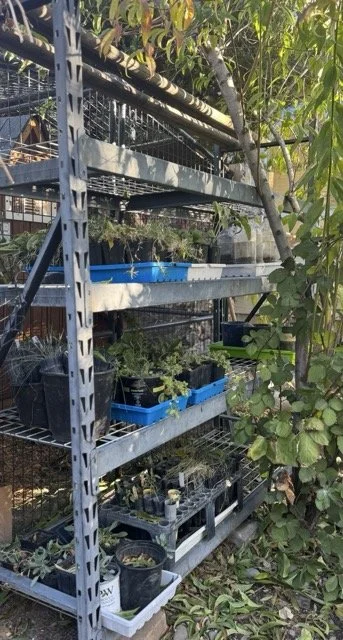
Plants are started from seed, cuttings and divisions.
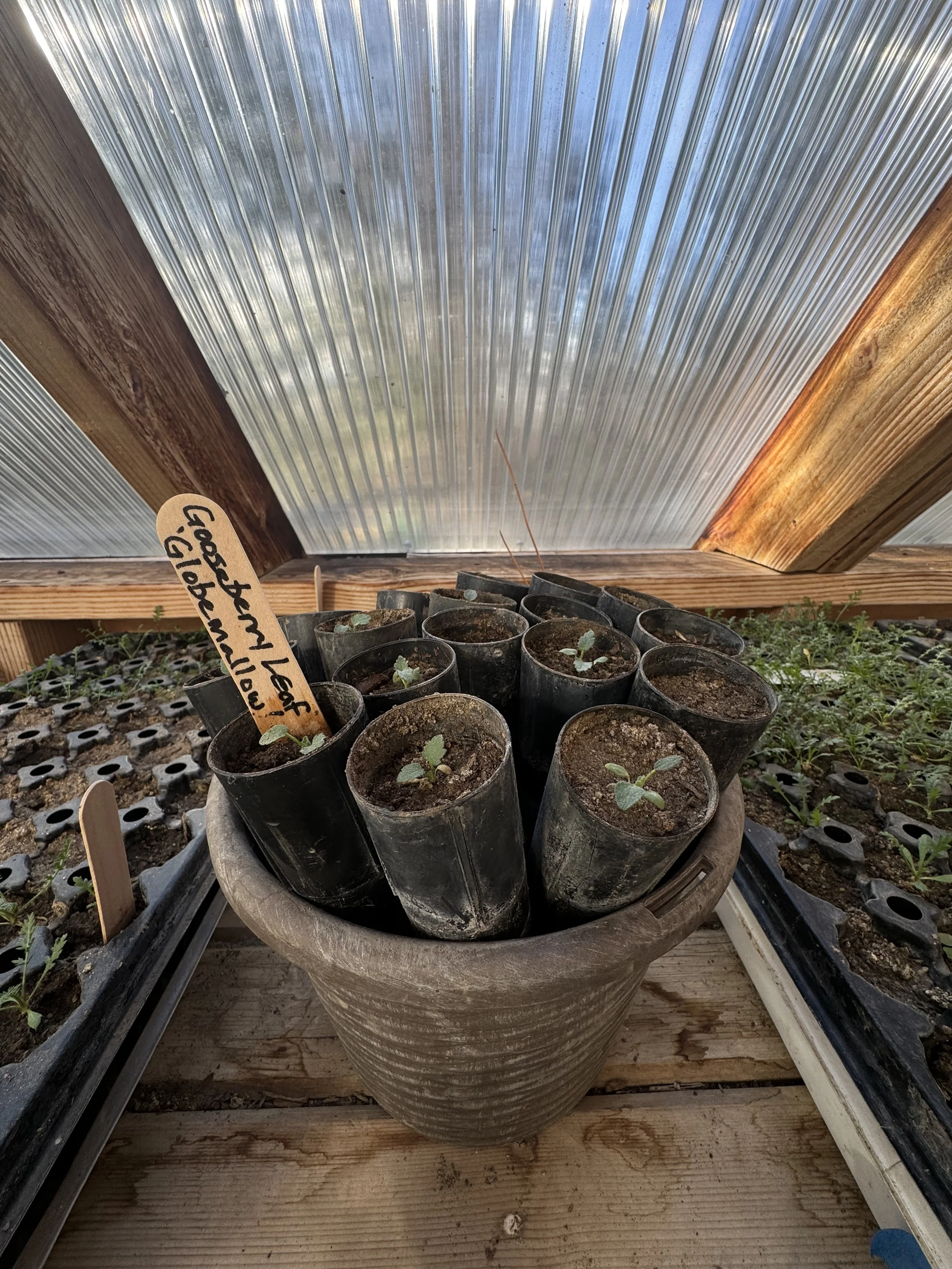
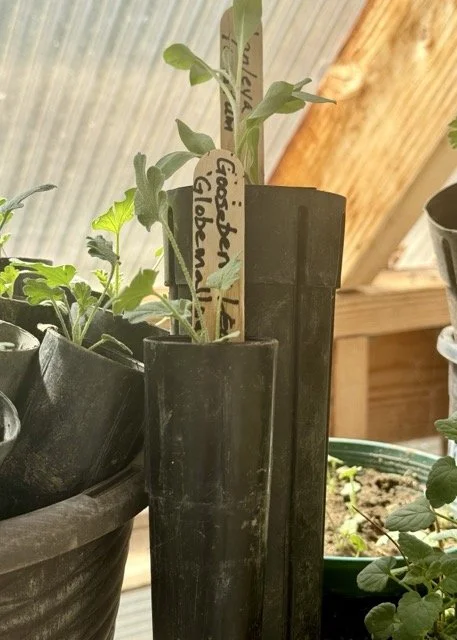
Small plants (in their first year) are in skinny deep tubes or 3 ½ - 4 ½ in. pots.
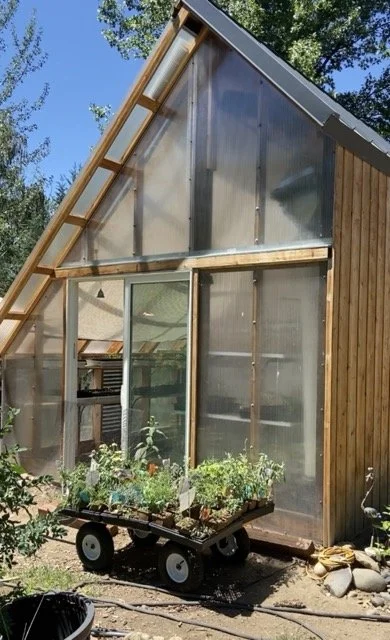
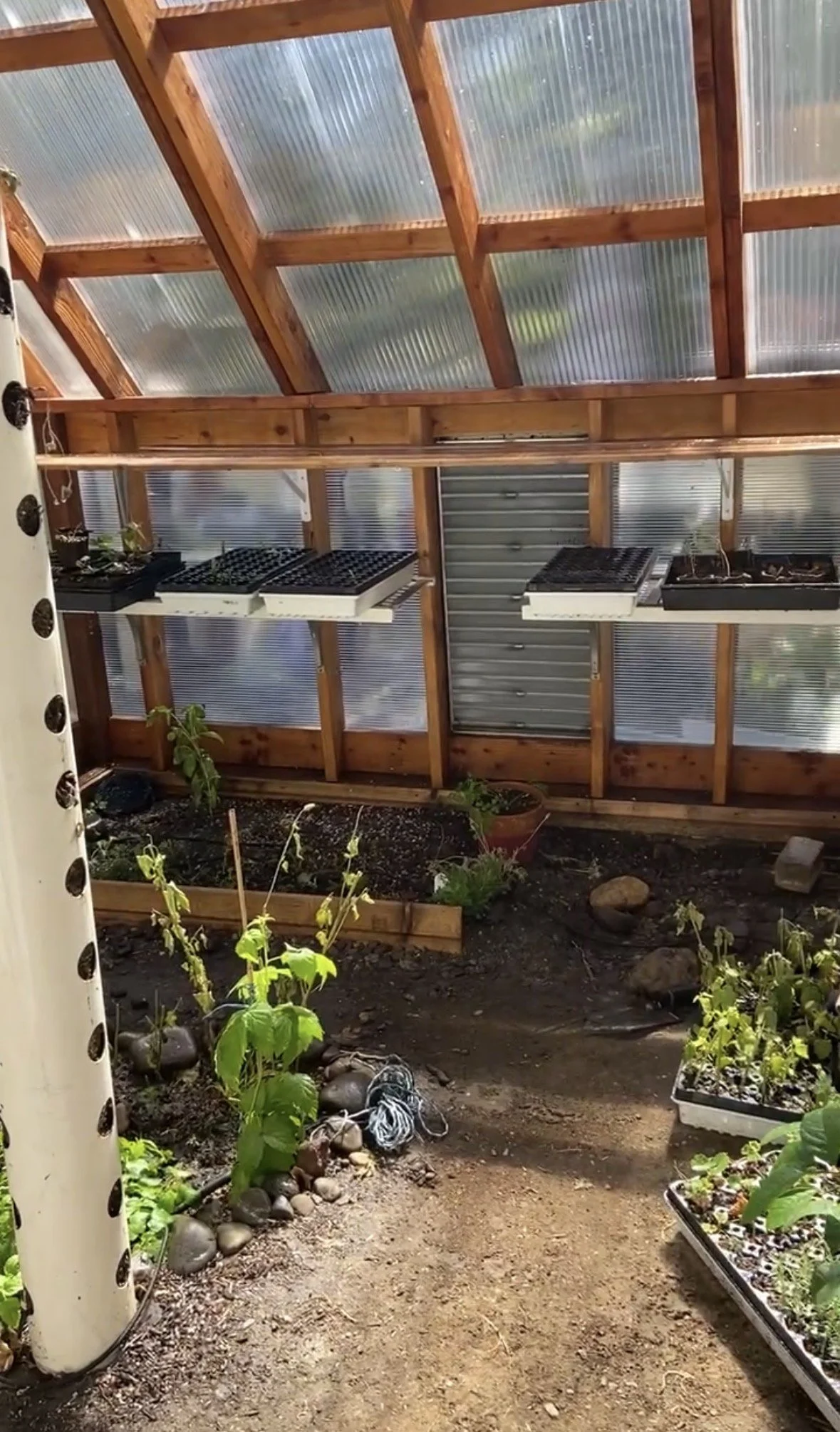
Plants are moved out of the cold greenhouse in the winter/early spring to handle broad fluctuations of daily temperature that swing in the tens of degrees and very low humidity.
Medium/Large plants are up potted to wider deep forb/tree tubes or half/gallons.
All medium/large plants are overwintered in the ground and some potted are dug and protected in trenches similar to tree farm methods.
Plants as mentioned before in Shipping and Handling are carefully removed from the pot to inspect the roots and up potted when ready. For this reason, shipped plants are NEVER root bound and are NOT shipped unless vital and climatized.
True to valuing habitat, note the states your plant selection grow in. For example, for Monarchs it is very important to research your region’s native milkweeds and purchase only those. We do not want to plant anything that behaves invasively (elbows out the indigenous) in an unknown region. This example for one species can be a model for all host plants and their visitors that find and know them.
DYK? Plants that can handle under 25 degrees Fahrenheit have an anti-freeze mechanism at the cellular level? Most of the Vitalbeebuds plants are vetted at Zone 5 or below and demonstrate this attribute. Plants in Zone 6 and above will need a mulch layer to protect them in the winter. See Care descriptions for each plant while searching the Shop AND the three year journey to maturity of Sleep, Creep, Leap in the Care Page.