
Production
Seeds
Growing Mediums ***Prepare label first!***
Cell Trays w/Lids, Milk Jugs or plastic soda containers cut in half and taped to form a mini greenhouse, repurposed plastic containers, such as, a spinach container, and of course a cold frame.
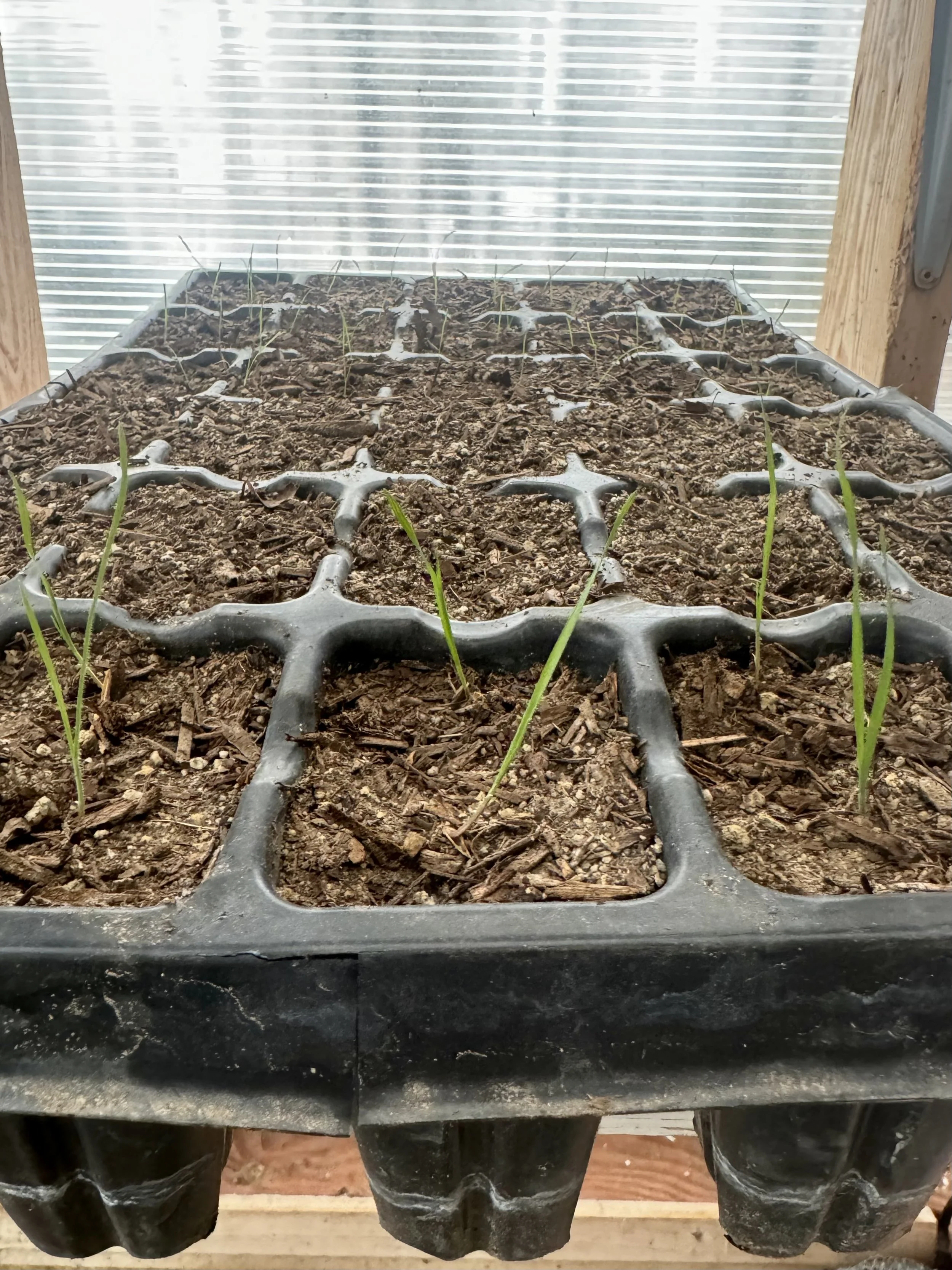
Sprinkle seeds over native deep tubes or cell trays without lids works for the toughest plants, such as, Penstemon and Buckwheats.
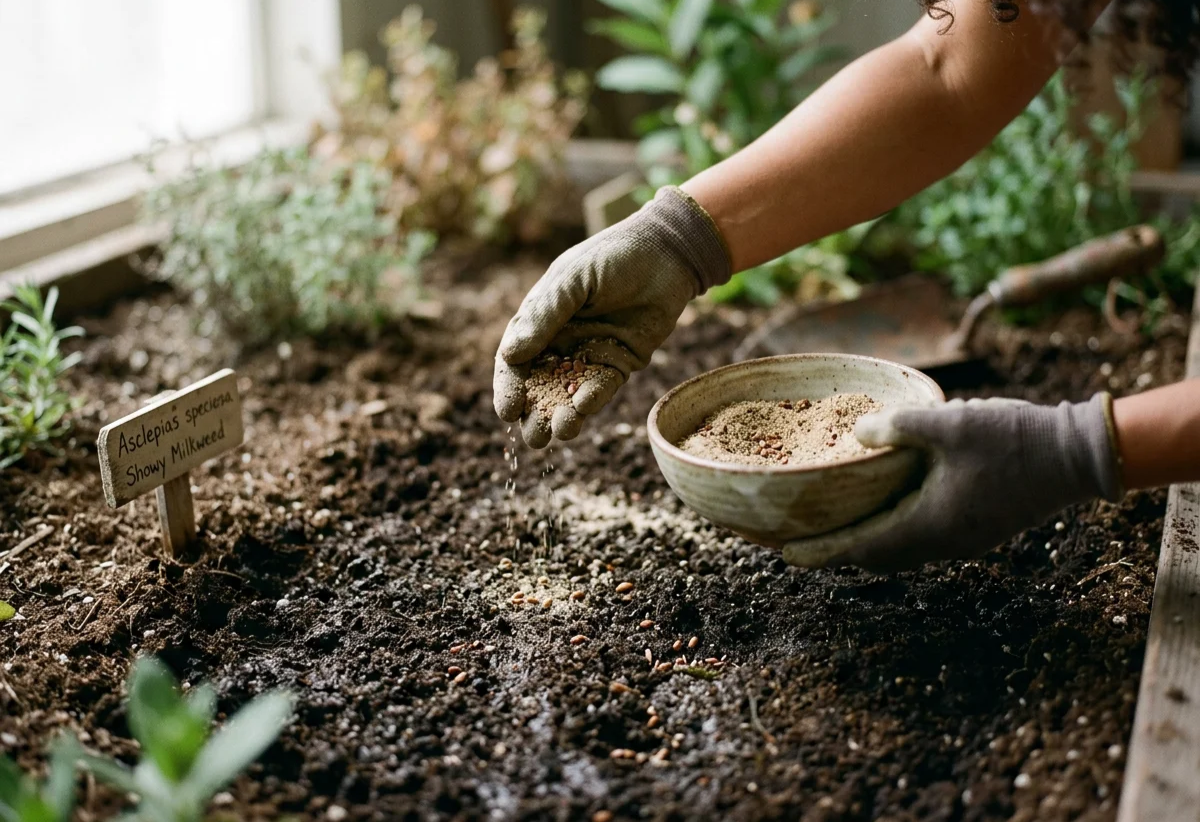
Meadow: mix seeds in a bucket of sand and toss seeds over a weeded surface and do not cover! Most native seeds also need light to germinate. Once seedlings emerge in the spring, watering once a day and more in the 70s will be needed until they produce a a couple sets of true leaves. Rain and snow will both give you a break from this chore and will protect them from frost.
Vitalbeebuds seeds have already achieved the stratification requirements (see the directions on the side of the seed packet for Scarification recommendations, if necessary.)
Not all native seeds need scarification so you might get lucky and have less prep to do. No matter, when that green glint peeks through the soil one day, that is cause for your best whoop, holler and happy dance! Yes, this has happened all by myself behind the greenhouse when growing my first Sulfur Buckwheat (photos in shop). My neighbors have yet to tell me they saw or heard.
Stratification:
In order for the seed coat to decompose, a number of hours of cold OR back and forth freeze ‘n thaw temperatures are sometimes needed. To achieve this, plant outside in the fall or put seeds in the fridge. Winter sowing up through Jan/Feb will also provide those conditions while mimicking nature. The plastic covers protect the young starts from freezing and/or most native plants have a anti-freeze mechanism in their leaves that make it possible for them to handle temps under 25 deg Fahrenheit. Very impressive!
Read on…as that may not be all that is needed
Scarification:
In order for the seed coat to decompose, other methods can help, yet be aware, each seed has different requirements.
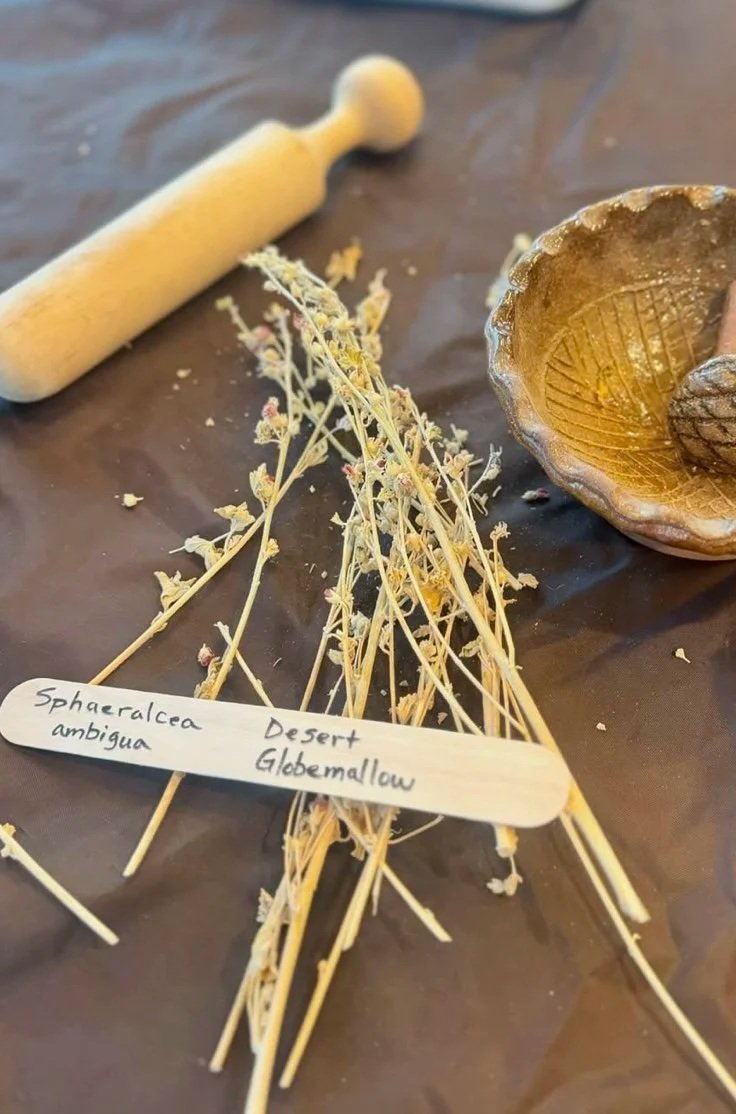
Research the botanical name of the plant you would like to grow. NRCS, USDA, RNGR plant growers and research groups connect to share the observations from someone who was successful (or not) in the field. To make things easier: use any vinegar for acid (mimicking a bird’s stomach), sandpaper or an emery board, boiling water, very carefully, and even fire. If acid is needed, it is fascinating how little duration of time it takes to see the seed coat change color and texture right in front of your eyes. Thus the need for that research…acid treatment may only take 5-10 seconds.
It is highly recommended the scarification steps are found and followed, otherwise the genetic fitness for some native seeds delay emergence over the span of years. Indian Ricegrass and Globemallow express this behavior in the first few years. However, let time go by and volunteers will emerge more and more often.
Plant List

Plants are identified most accurately with the corresponding Latin or Botanical reference alongside common name(s) in parenthesis. Multiple varieties are separated here by a “|” in the sections below.
Current Plant List
Plant list updated November 14, 2026
Know your plants! Always search the botanical name and follow care instructions to avoid heartache, loss of funds and time! To get started visit the care page here for how to grow drought tolerant plants.
Currently, more forbs have been winter sowed [most sending true leaves and some are taking their sweet time like Indian Ricegrass or Salvia dorrii…] Here is the 2027 list started September 2026.
Intermountain West Native or Great Basin/Sierras Perennials
Globemallows: Desert | Gooseberry, Penstemons: eatonii | rydbergii , Prince’s Plume, Salvia dorii, Sulfur Buckwheat, Sticky Geranium, Achillea millefolium (‘Cassis’, ‘Summer Pastels’). Native grasses: Blue Grama | Indian Ricegrass | Sandberg | Great Basin Wildrye
Hardy North American Native Perennials
Agastache ‘Globetrotter’ | ‘Fragrant Carpet’, Helenium autumnale ‘Helena Red Shades’
Herbs | Medicinal
Roman Chamomile (Perennial), Chives (common) or (garlic), Comfrey, Hyssop Officinalis, Lavendula Angustafolia or Intermedia 'Grosso' | 'Vera', Melissa Officinalis (Lemon Balm), Peppermint, Mentha arvensis (wild mint), Monarda: (Wild Bergamot-pink) | 'Gardenview Scarlet', Nepeta Racemosa (Catmint - pink, purple), Oregano, Rosemary 'Arp', Sage (Common), Thymus x citriodorus (Lemon Thyme), Urtica dioica (Stinging Nettle)Annuals | Biennials
Borago officinalis (Borage), Calendula officinalis (Calendula), Eschscholzia California (California Poppy), Oenothera elata (Evening Primrose - yellow), Rudbeckia hirta (Brown-eyed Susan-yellow), Sunflowers Hardy Perennials
Ajuga 'Chocolate Chip', Agastache ‘Golden Jubilee' | 'Globetrotter' | 'Tango', Asclepias tuberosa 'Hello Yellow' (Milkweed), Aster 'New York' (purple), Echinacea Coneflower (pink, white), Hollyhocks (varied colors: dark purple, magenta, light pink), Lamium 'Jenny' (white) | 'Purple Dragon', Nepeta Racemosa (Catmint) 'Walker's Low' | 'Whisper Pink', Scabiosa columbaria 'Butterfly Blue' (Pincushion Flower), Sedum (pink), Solidago rugosa 'Fireworks' (Goldenrod), Stachys byzantina (Lambs ear), Veronica (pink, purple)Native Forbs (Perennials)
Achillea millefolium (Yarrow -white), Artemisia tridentata 'Big Sagebrush', Asclepias speciosa 'Showy Milkweed', Symphyotrichum chilense (California, Pacific or Western Aster), Columbine (orange, red,), Oenothera speciosa (Common Evening Primrose-pink), Eriogonum umbellatum (Sulfur Buckwheat), Eriophyllum lanthanum (Oregon sunshine, Wooly Sunflower), Gaillardia (Indian Blanket, Blanket Flower), Helianthus Maximiliana (Maximilian Sunflower), Hyssop officinalis (purple), Sphaeralcea ambigua (Desert Globemallow (orange), Linum Lewisii (Blue Flax), Oenethera speciosa (Evening Primrose -pink), Penstemons: Rydbergii (purple tiers) | Palmerii (light pink) | 'Pseudospectabilis' (fuschia) | 'Strictus' (Rocky Mountain -purple) | Eatonii (Firecracker -red), Leucanthemum vulgare (Oxeye Daisy), Ratibida columnifera (Mexican Hat- yellow or red), Solidago canadensis (Canada Goldenrod)Native Grasses
Blue Grama, Festuca idahoensis 'Siskiyou Blue', Great Basin Wildrye, Indian Ricegrass, Sandberg BluegrassShrubs | Sub-shrubs
Amorpha fruticosa (Indigo Bush), Artemisia tridentata (Big Sagebrush), Ericameria nauseosa (Rubber Rabbitbrush), Ribes aureum (Golden Currant), Rosa woodsii (Western Wood's Rose), Spirea ‘Dark Knight’ or ‘Blue Mist’
seed germination (See Production Page)seed germination (See Production Page)Pollinator plot projects are bulk discounted
15% when 5 or more Medium or Large plants are purchased.
Immediately above is a hyperlink to Xerces (an invertebrate non-profit). A wonderful resource to help to plan your site. Alternatively, I consult for a very reasonable fee and would be honored to place plants into your space. Email when ready to ask questions or to schedule a pollinator project. See easy drought tolerant perennial care tips on the Care page.Email or DM to reserve plants and schedule delivery or pickup.

To view pollinators in action…visit or follow biweekly outreach posts and stories @vitalbeebuds


